
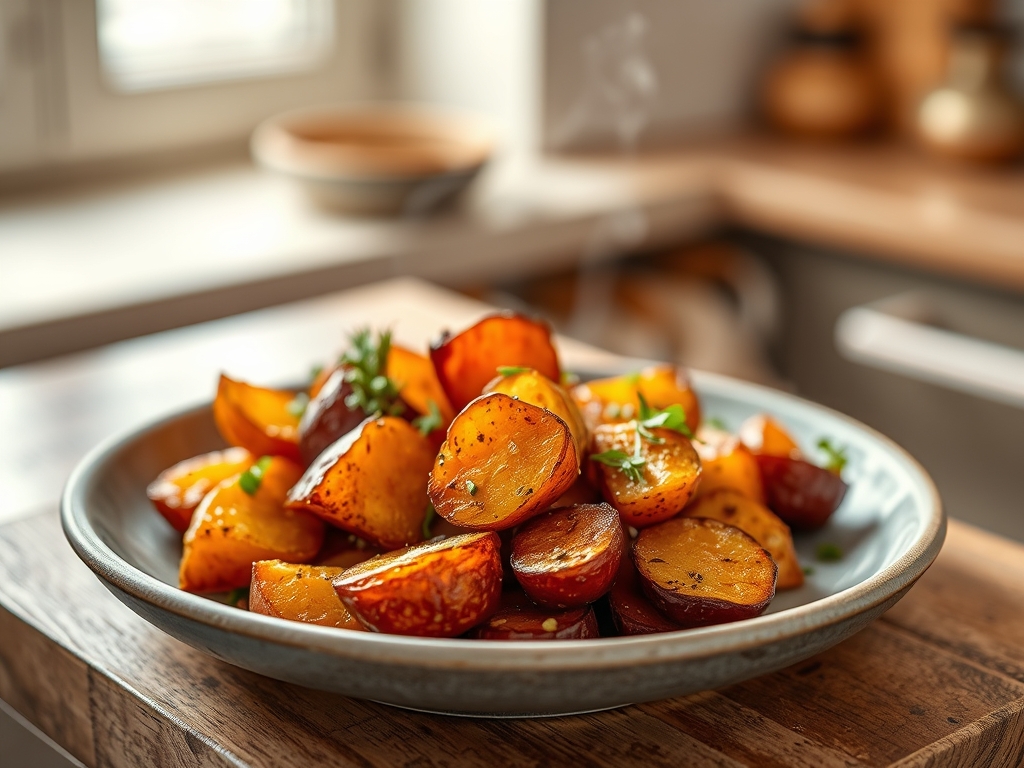
Imagine the sound of a structural shatter. That is the precise acoustic goal when you bite into a perfectly executed spud. While russets are the traditional darlings of the frying world, we are pivoting to the waxy, ruby-skinned underdog. Mastering air fryer red potato recipes is less about following a timer and more about manipulating starch structures. Red potatoes possess a high moisture content and a tight cellular matrix; this means they hold their shape beautifully while developing a translucent, glass-like exterior. We are moving beyond the soggy, oil-logged wedges of the past. We are aiming for a high-velocity air environment that mimics the results of a commercial deep fryer without the lipid-heavy aftermath. This is where kitchen physics meets pure, unadulterated comfort food.
The secret lies in the contrast between the creamy, almost custard-like interior and the jagged, Maillard-driven crust. By leveraging the concentrated convection of an air fryer, we can force moisture out of the surface layer rapidly, creating a micro-textured shell that traps steam inside. This results in a potato that is structurally sound enough to support heavy dipping sauces but delicate enough to melt on the tongue. Whether you are prepping for a high-energy brunch or a sophisticated side for a seared ribeye, these six hacks will transform your approach to the humble tuber. Let us get into the grit of the prep.
The Gathers:
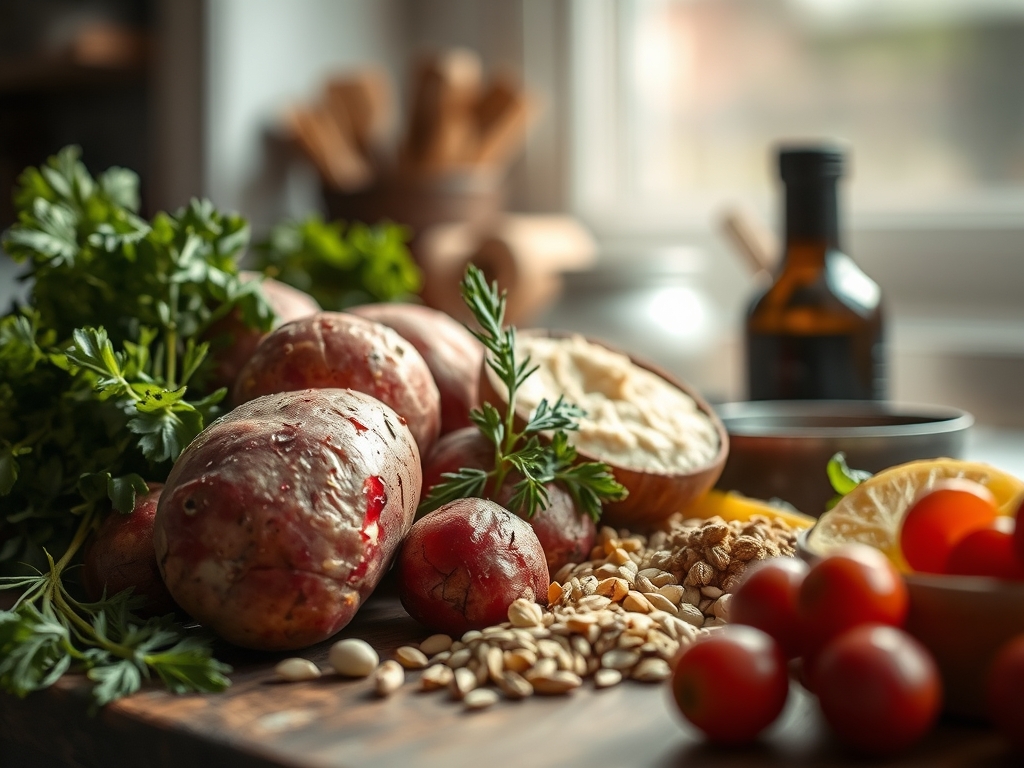
To achieve elite results, your mise-en-place must be intentional. Start with three pounds of firm, small-to-medium red potatoes. Look for skins that are vibrant and free of "eyes" or soft spots. You will need a high-smoke-point lipid; avocado oil or ghee is superior here because they can withstand the 400-degree Fahrenheit convection without breaking down into acrid compounds.
The Essential Toolset:
- A digital scale for precise portioning.
- A sharp chef's knife or a mandoline for uniform surface area.
- A large stainless steel mixing bowl to ensure even aeration during the seasoning phase.
- A microplane for zesting aromatics.
- Fine sea salt and freshly cracked peppercorns.
Smart Substitutions:
If you want to lean into a more viscous mouthfeel, swap the oil for rendered duck fat. For a piquant kick, replace standard paprika with Urfa Biber or smoked chipotle powder. If you are avoiding nightshades (though unlikely if you are reading this), this same methodology applies perfectly to Japanese sweet potatoes, though the sugar content will accelerate browning.
The Clock:
Efficiency in the kitchen is about "Chef's Flow." You should never be standing still.
- Prep Time: 10 minutes. This includes washing, drying, and precision cutting.
- Active Cook Time: 18 to 22 minutes.
- Total Time: Approximately 35 minutes.
The flow begins by preheating the air fryer for at least five minutes. While the chamber reaches equilibrium, you slice and season. The goal is to minimize the time the potatoes sit in salt before hitting the heat; salt is hygroscopic and will draw out internal moisture, which leads to steaming rather than searing. Move fast.
The Masterclass:
1. The Surface Area Maximizer
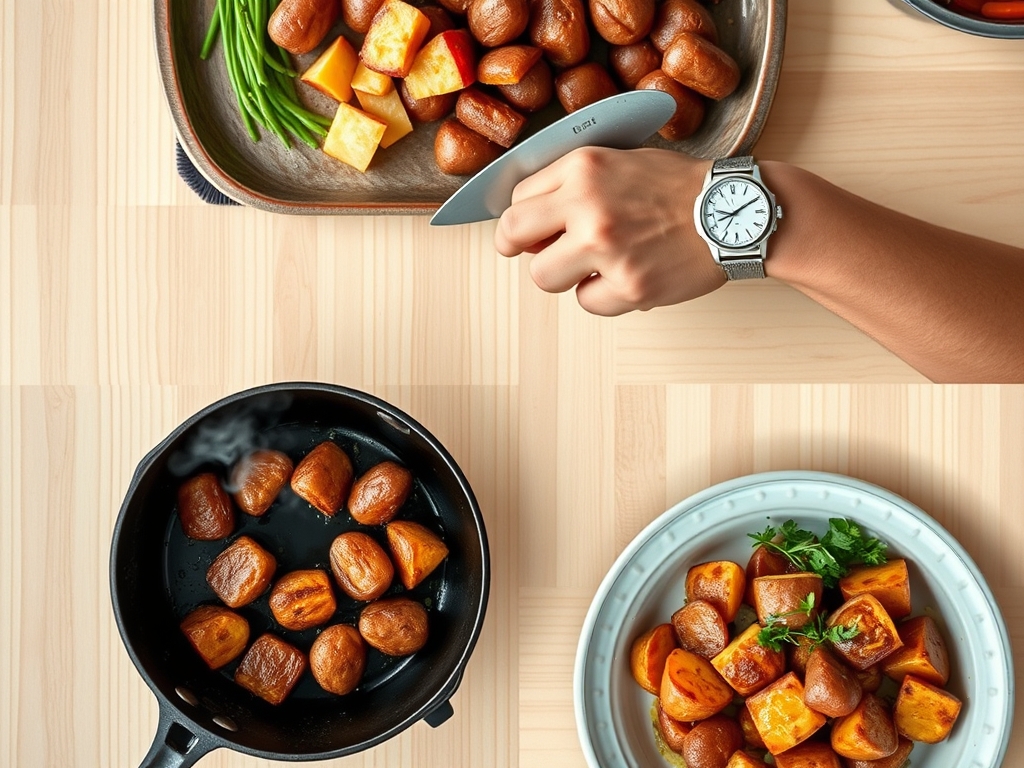
Slice your red potatoes into uniform half-inch cubes. Use a bench scraper to transfer them to your bowl. The more edges you create, the more sites you provide for the Maillard reaction to occur.
Pro Tip: This is the "Starch Slurry" effect. After cutting, do not rinse the potatoes. The surface starch acts as a natural glue for your spices and helps form a crust.
2. The Lipid Infusion
Drizzle your chosen fat over the potatoes and toss vigorously. You want a thin, glistening coat, not a puddle. Use your hands to ensure every millimeter of the skin is lubricated.
Pro Tip: Emulsification is key. If you add a teaspoon of Dijon mustard to your oil before tossing, it helps the fat cling to the waxy skin of the red potato more effectively.
3. The Seasoning Layer
Sprinkle your dry aromatics from a height of twelve inches to ensure even distribution. Use garlic powder instead of fresh garlic at this stage to prevent burning.
Pro Tip: Avoid "crowding the basket." If you stack the potatoes, the air cannot circulate, leading to uneven thermal carryover and soggy patches.
4. The Initial Blast
Set your air fryer to 400 degrees Fahrenheit. Slide the basket in and set the timer for 10 minutes. This initial phase is about setting the exterior structure.
Pro Tip: This is the evaporation phase. The high heat rapidly removes surface water, allowing the temperature of the potato skin to rise above 212 degrees Fahrenheit.
5. The Agitation
At the 10-minute mark, remove the basket and give it a violent shake. Use tongs to flip any pieces that are sticking. This ensures that the contact points with the basket do not become over-browned.
Pro Tip: Shaking the basket redistributes the rendered fat, essentially "basting" the potatoes in their own juices and oil.
6. The Final Crisp and Rest
Return to the heat for another 8 to 10 minutes until the edges are dark gold. Once finished, let them rest in a single layer for two minutes before serving.
Pro Tip: Retrogradation occurs during the rest. The starches begin to realign, which actually firms up the interior and makes the crunch feel more substantial.
The Deep Dive:
Macro Nutrition:
A standard serving of these air-fried gems provides roughly 150 calories, 3 grams of protein, and 4 grams of fiber. Because we use minimal oil, the fat content stays around 5 to 7 grams. Red potatoes are also exceptionally high in potassium; even more so than bananas.
Dietary Swaps:
- Vegan: Use avocado oil or a vegan butter alternative with a high smoke point.
- Keto: Potatoes are high-carb; however, you can use this exact method for cauliflower florets or radishes for a similar aesthetic.
- GF: Naturally gluten-free, but ensure your spice blends do not contain anti-caking agents derived from wheat.
The Fix-It:
- Soggy Potatoes: You likely overcrowded the basket. Cook in smaller batches or increase the temperature by 15 degrees.
- Burnt Spices: You used fresh herbs or garlic too early. Save fresh elements for a post-cook garnish.
- Leathery Skin: The potatoes were old or dehydrated. Soak them in ice water for 30 minutes before drying and cooking to rehydrate the cells.
Meal Prep:
To reheat and maintain "day-one" quality, avoid the microwave at all costs. It will turn your potatoes into rubber. Instead, toss them back into the air fryer at 380 degrees for 3 to 4 minutes. This reactivates the fats and recrisps the skin through conduction.
The Wrap-Up:
There you have it; the definitive guide to conquering air fryer red potato recipes. By understanding the chemistry of the waxy potato and the mechanics of high-velocity air, you have moved from a home cook to a culinary scientist. These potatoes should be loud, flavorful, and structurally perfect. Now, grab your saucier, whisk up a quick lemon-aioli, and enjoy the fruits of your molecular labor. Your kitchen, your rules.
The Kitchen Table:
Why are my air fryer red potatoes not crispy?
This usually happens due to overcrowding or excess moisture. Ensure you pat the potatoes completely dry before oiling. If the air cannot circulate around each individual piece, they will steam rather than fry. Cook in smaller batches for maximum crunch.
Do I need to soak red potatoes before air frying?
For red potatoes, soaking is optional but helpful. It removes excess surface starch, which can prevent sticking. If you do soak, you must dry them meticulously; otherwise, the residual water will create steam and ruin the crisping process.
Can I use fresh garlic in the air fryer?
It is better to use garlic powder during the cooking process. Fresh garlic has a high sugar and moisture content, meaning it will likely burn and turn bitter before the potatoes are finished. Toss with fresh garlic immediately after cooking instead.
What is the best temperature for red potatoes?
The "sweet spot" is 400 degrees Fahrenheit. This temperature is high enough to trigger the Maillard reaction and evaporate surface moisture quickly, but not so high that the outside burns before the waxy interior reaches a creamy, fully cooked consistency.