
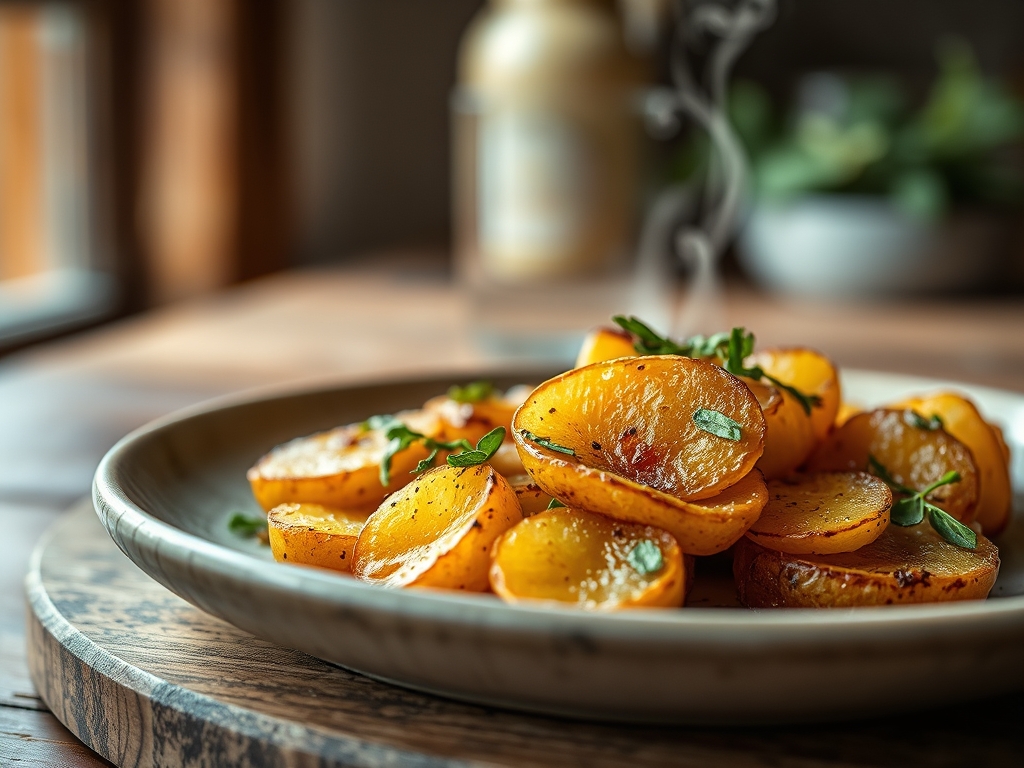
Imagine the scent of a summer carnival in Upstate New York drifting through your kitchen. There is a specific, elemental magic in the way salt potato recipes transform humble tubers into creamy, ivory masterpieces. We are talking about skin so taut it snaps and a center as soft as buttercream. It is the ultimate comfort food science experiment.
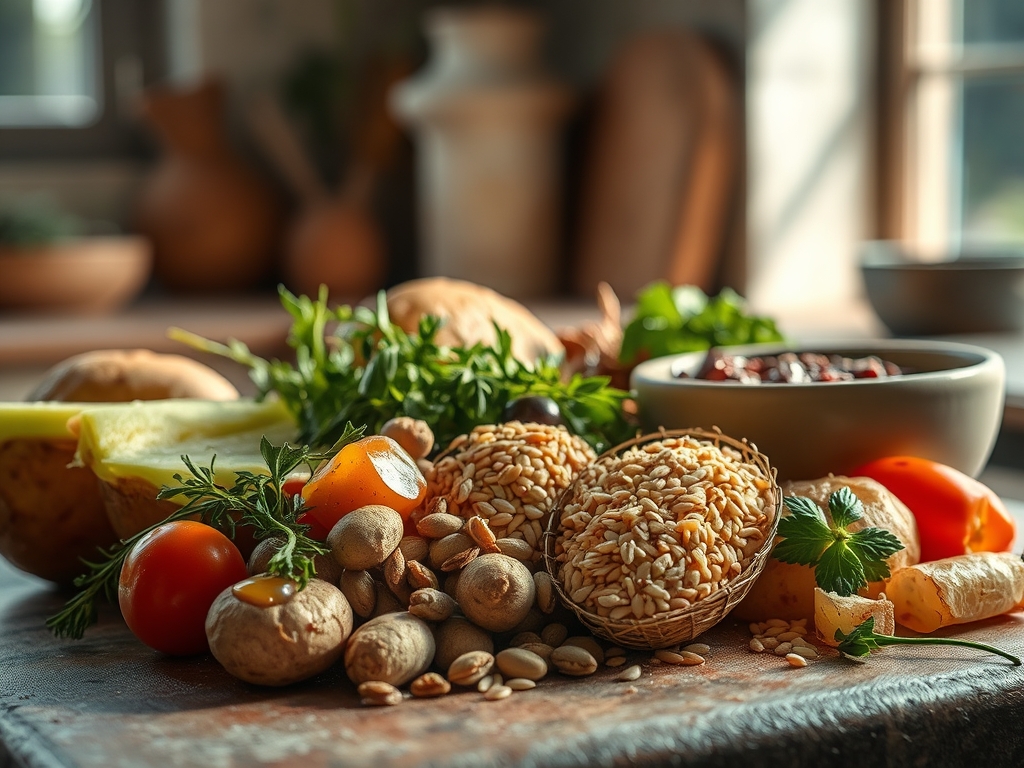
The Gathers:
To master these salt potato recipes, you must first respect the chemistry of your mise-en-place. We begin with the New Potato, specifically the size B or C varieties. These are young tubers with thin, permeable skins and high moisture content. You will need a digital scale to measure exactly four pounds of potatoes against twelve ounces of fine-grain salt. The ratio is non-negotiable; we are creating a supersaturated brine that raises the boiling point of the water.
Your fat source is equally vital. Reach for high-quality European butter with a high butterfat percentage. This ensures a viscous mouthfeel when melted. You will also need fresh aromatics: sprigs of rosemary for an earthy infusion and a bulb of garlic to provide a piquant undertone. For the finishing touch, keep a microplane handy for zesting lemon or grating hard cheeses.
Smart Substitutions: If you cannot find true New Potatoes, small Yukon Golds will suffice, though their higher starch content may lead to a fluffier rather than creamy interior. For a dairy-free version, use a high-quality olive oil or vegan butter substitute that contains lecithin to help emulsify the salt crust later.
The Clock
Efficiency in the kitchen is about mastering the Chef's Flow. This is the art of overlapping tasks so no heat is wasted. Your total active prep time is a mere ten minutes, while the simmer takes approximately twenty to twenty-five minutes.
The flow begins by scrubbing the potatoes while the water reaches a rolling boil in a heavy-bottomed saucier. While the potatoes simmer, you will use those twenty minutes to render your butter and prep your garnishes. The final "rest" period of five minutes is the most critical; it is when the salt crust forms through rapid evaporation. Total time from pantry to plate is thirty-five minutes of pure culinary focus.
The Masterclass
1. The Brine Saturation
Fill your pot with enough water to cover the potatoes by two inches and add the salt. Stir until the water looks cloudy and thick. This high salinity creates an osmotic pressure that prevents the potatoes from absorbing too much water, which would make them soggy.
Pro Tip: This process utilizes boiling point elevation. The salt increases the temperature at which the water boils, allowing the potato starches to gelatinize more thoroughly and quickly than in fresh water.
2. The Gentle Simmer
Add your potatoes carefully using tongs to avoid splashing. Lower the heat to a simmer. You want a constant, gentle bubble rather than a violent boil. A violent boil can rupture the delicate skins, allowing the brine to penetrate the core and ruin the texture.
Pro Tip: Maintaining a steady temperature prevents enzymatic browning by quickly deactivating the enzymes that cause discoloration, ensuring the interior remains a pristine, snowy white.
3. The Tenderness Test
After eighteen minutes, use a cake tester or a thin skewer to check for doneness. The tool should slide in with zero resistance. Do not use a fork; the wide tines will fracture the skin and compromise the structural integrity of the potato.
Pro Tip: This is the window of starch retrogradation. Testing early ensures you do not overcook the potatoes into a mealy state, preserving the waxy, velvety bite that defines the dish.
4. The Evaporation Rest
Once tender, drain the potatoes using a large colander but do not rinse them. Place the colander back over the warm pot and let them sit for five minutes. As the steam escapes, a fine, white salt crust will begin to frost the skins.
Pro Tip: This stage relies on latent heat of vaporization. As the surface moisture evaporates, the dissolved salt crystallizes, creating a savory barrier that locks in the internal moisture.
5. The Butter Bath
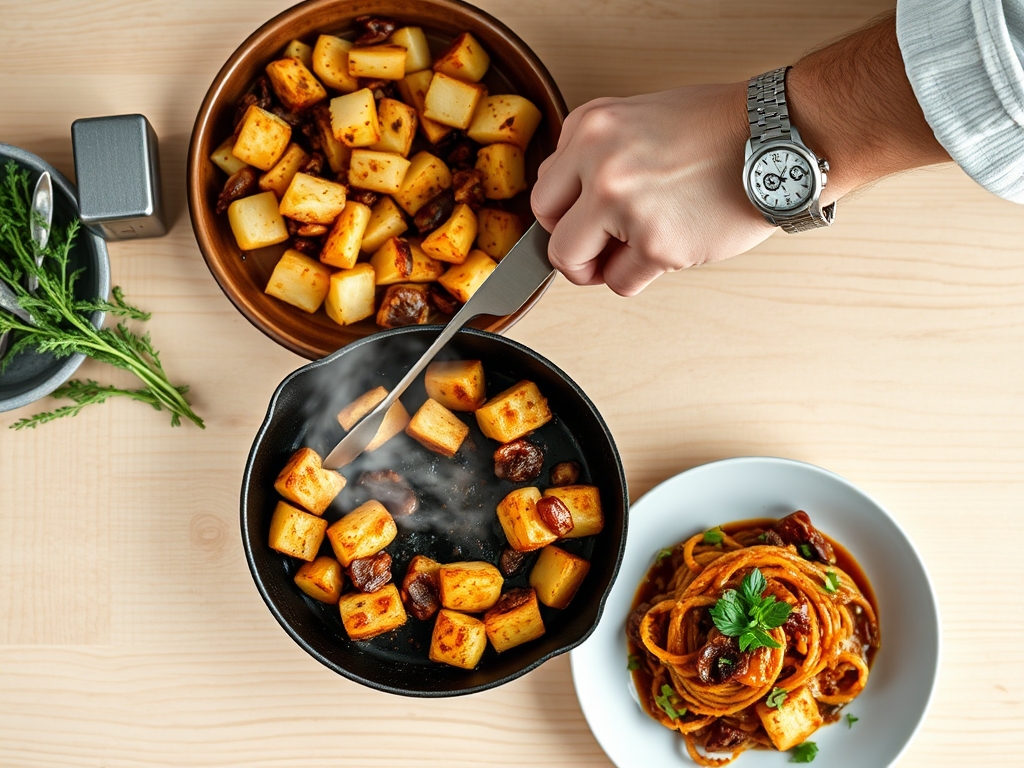
In a small saucepan, melt your butter with the aromatics. Once the potatoes are frosted with salt, transfer them to a serving bowl and pour the golden, melted fat over them. Use a bench scraper or a large spoon to gently toss them, ensuring every potato is coated.
Pro Tip: The fat acts as a sealant. By coating the salt crust in butter, you prevent the salt from falling off while adding a rich, nutty flavor profile through the Maillard reaction if you brown the butter slightly.
The Deep Dive
When we look at the macro nutrition of salt potato recipes, we see a profile dominated by complex carbohydrates and potassium. A standard serving provides roughly 250 calories, depending on your butter enthusiasm. For Dietary Swaps, those on a Keto path might struggle here, but for Gluten-Free guests, this is a natural haven. For a Vegan twist, a garlic-infused avocado oil provides a similar richness without the animal fats.
The Fix-It: Troubleshooting Your Tubers
- The Skin Split: If the skins burst, your boil was too aggressive. Fix this by lowering the heat and adding a splash of cold water to stabilize the temperature.
- No Salt Crust: This usually means you rinsed the potatoes or didn't use enough salt. Fix this by tossing the drained potatoes in a pan over medium heat with an extra teaspoon of fine salt to force crystallization.
- Internal Grittiness: This happens if the potatoes were stored in a refrigerator, converting starch to sugar. Always use room-temperature potatoes for the best texture.
Meal Prep and Reheating: To maintain "day-one" quality, do not microwave these. The microwave causes the water molecules to vibrate too fast, making the skin rubbery. Instead, use a heavy-bottomed skillet with a lid and a teaspoon of water. Heat on low to create a mini-steamer that refreshes the interior while keeping the salt crust intact.
The Wrap-Up
Mastering salt potato recipes is your ticket to becoming the hero of the next backyard gathering. It is a dish that proves how a few basic scientific principles can turn two ingredients into a gourmet experience. Remember to watch for that frosty salt crust and never skimp on the butter quality. Go forth, experiment with your aromatics, and enjoy the most satisfying snap-and-cream sensation in the culinary world.
The Kitchen Table
Which potatoes are best for salt potato recipes?
Small, waxy New Potatoes or Size B Yukon Golds are ideal. Their thin skins allow for the perfect salt crust to form, while their low-starch interiors stay creamy rather than falling apart during the high-salinity boiling process.
Why is there so much salt in the water?
The salt creates a supersaturated brine that raises the boiling point. This cooks the potatoes faster and creates an osmotic barrier, ensuring the inside stays moist while the outside develops a signature savory, crystalline crust upon drying.
Can I reuse the salty potato water?
Technically yes, but it is not recommended. The water becomes cloudy with released starches and impurities from the potato skins. For the cleanest flavor and best crust, always start with a fresh brine for every batch you cook.
How do I store leftover salt potatoes?
Store them in an airtight container in the fridge for up to three days. To reheat, avoid the microwave; instead, use a covered skillet with a drop of water to steam them back to their original velvety texture.