
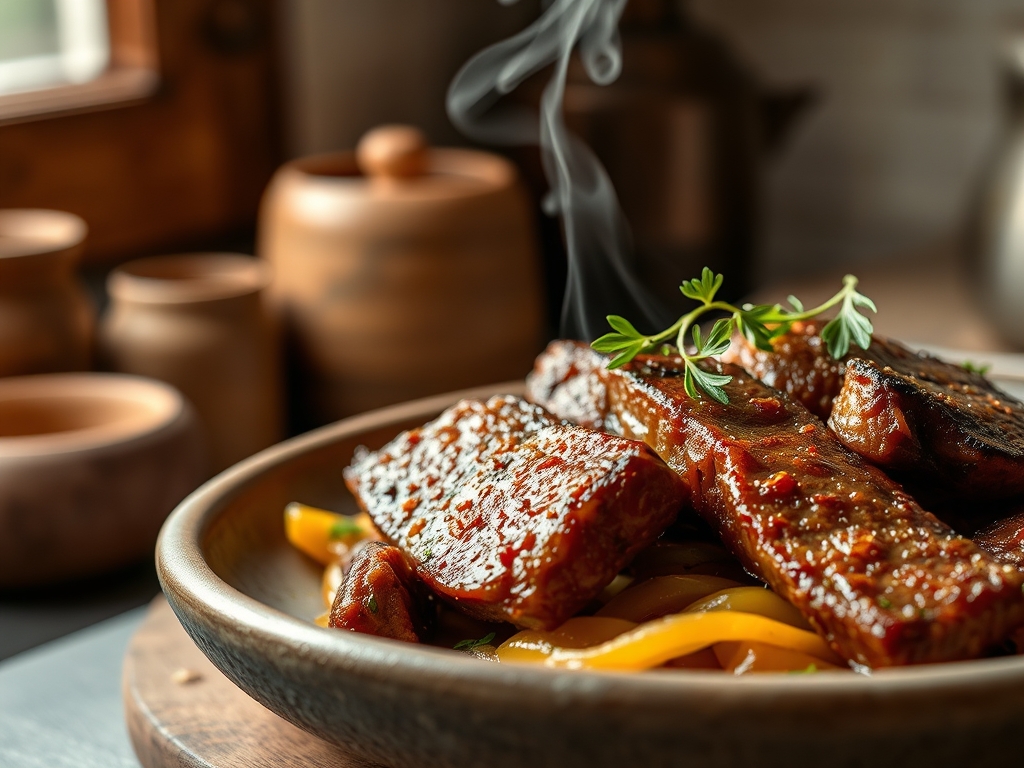
Close your eyes and listen to the aggressive hiss of a heavy-bottomed skillet meeting a cold-pressed oil. That sound is the overture to the Maillard reaction; it is the chemical transformation of amino acids and reducing sugars into a complex tapestry of savory flavor. We are moving past the era of bland, boiled proteins. When searching for healthy beef recipes for dinner, you are actually looking for the intersection of metabolic efficiency and culinary decadence. Beef is a nutrient-dense powerhouse, packed with bioavailable heme iron and Vitamin B12, yet it often gets a bad reputation due to heavy, saturated fats or processed additives. Today, we are reclaiming the steakhouse experience for the home kitchen. We will use lean cuts like grass-fed flank, eye of round, and sirloin to create meals that fuel your body without weighing down your spirit. This is about precision heat, bright acidic balances, and the kind of kitchen confidence that makes you feel like a pro. We are not just cooking; we are engineering wellness through the lens of a gourmet palate.
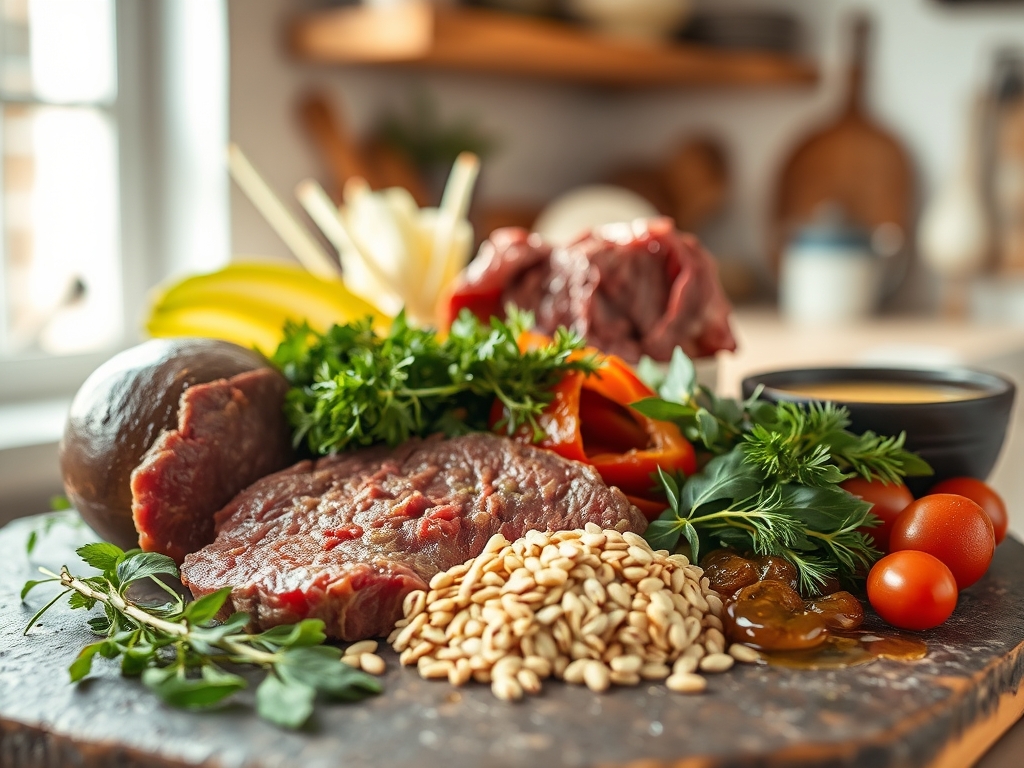
The Gathers:
The mise-en-place is your roadmap to success. Start by pulling your proteins from the refrigerator at least twenty minutes before cooking; this allows the internal temperature to rise, ensuring even heat distribution. You will need a digital scale for precise portioning, as lean beef is most satisfying when balanced with high-fiber aromatics. Gather your aromatics: piquant shallots, cloves of garlic, and ginger roots that provide a sharp, earthy base. For your healthy beef recipes for dinner, focus on colorful cruciferous vegetables like bok choy or broccolini to add structural crunch and micronutrients.
Smart Substitutions are the secret to keeping things light. Instead of heavy cream, use a splash of coconut milk or a dollop of Greek yogurt to achieve a viscous texture. Swap refined soy sauce for liquid aminos or tamari to control sodium levels. If a recipe calls for sugar, use a microplane to zest a lime or orange; the essential oils provide a sensory sweetness without the glycemic spike. Always have a high-smoke-point oil ready, such as avocado or grapeseed oil, to prevent the fats from breaking down into bitter compounds at high heat.
The Clock
Efficiency in the kitchen is about the Chef's Flow. For these seven recipes, prep time averages fifteen minutes, while active cook time ranges from six to twelve minutes. The goal is "high-intensity, low-duration" cooking. By utilizing a bench scraper to move your chopped ingredients quickly, you minimize the oxidation of your vegetables. Most of these healthy beef recipes for dinner follow a specific rhythm: sear the protein, remove to rest, sauté the aromatics, deglaze the pan, and reunite the components. This flow ensures that the beef never becomes overcooked or rubbery while the vegetables retain their vibrant, enzymatic integrity.
The Masterclass
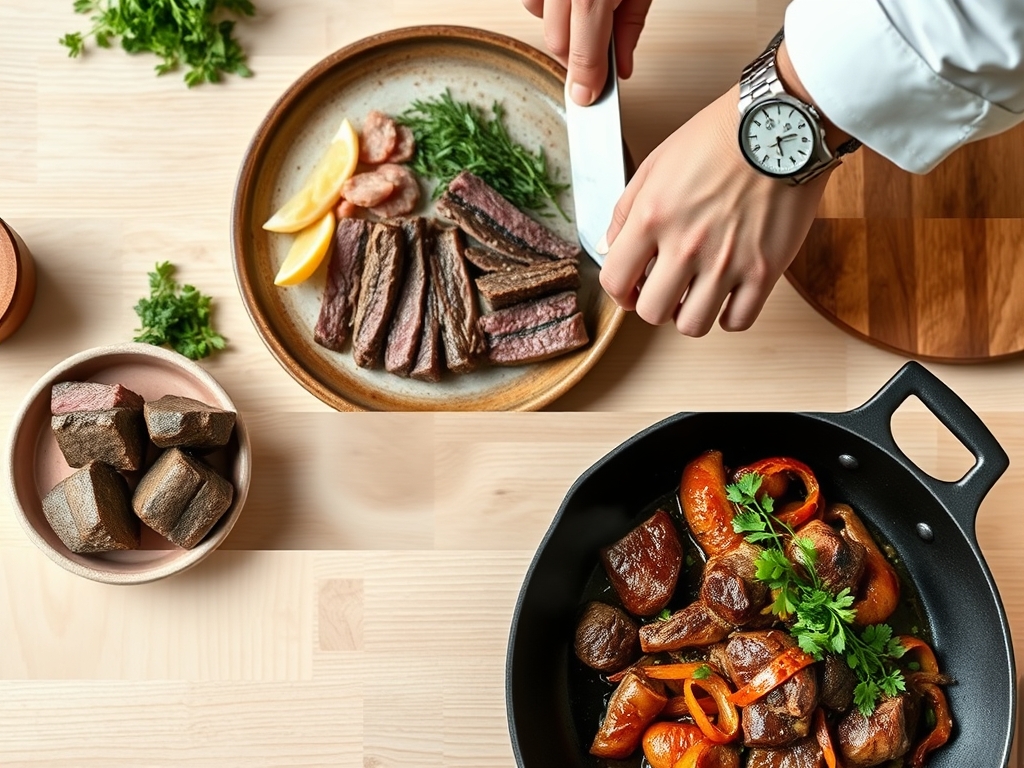
1. Temper and Season
Start by patting your beef dry with a lint-free paper towel. Moisture is the enemy of a good sear; surface water creates steam, which prevents the Maillard reaction. Use a generous amount of kosher salt to draw out proteins to the surface.
Pro Tip: This is known as hygroscopic action. Salt breaks down the muscle fibers, allowing the meat to retain more moisture during the high-heat cooking phase.
2. High-Heat Searing
Place your heavy-bottomed skillet over medium-high heat until the oil shimmers. Lay the beef away from you to avoid splatters. Use tongs to ensure firm contact with the pan.
Pro Tip: Do not crowd the pan. Overcrowding drops the surface temperature, leading to "gray meat" rather than a deep, caramelized crust. This crust is the source of umami.
3. The Deglaze
Once the meat is seared and removed, you will notice brown bits stuck to the pan. This is "fond." Pour in a splash of beef bone broth or dry red wine to lift these particles.
Pro Tip: Deglazing uses the kinetic energy of boiling liquid to dissolve the flavorful solids, creating a natural, low-fat sauce base without the need for flour-based thickeners.
4. Infusing Aromatics
Lower the heat and add your garlic, ginger, or shallots. Use a saucier or a small whisk to incorporate them into the deglazing liquid.
Pro Tip: Fat-soluble flavors in garlic and spices are released more effectively when toasted in oil. This process, called "blooming," increases the aromatic complexity of your healthy beef recipes for dinner.
5. Incorporating Greens
Add your vegetables in order of density. Carrots and peppers go first; leafy greens like spinach or kale go last.
Pro Tip: Vegetables contain cellulose that softens under heat. By staggering their entry, you ensure every component reaches the "al dente" stage simultaneously, preserving heat-sensitive vitamins.
6. The Emulsion
To finish the sauce, add a small amount of cold butter or a starch slurry. Whisk vigorously to aerate and combine the fats with the deglazing liquid.
Pro Tip: Emulsification creates a silky mouthfeel. By whisking in a cold fat at the end, you create a stable suspension that coats the beef beautifully without feeling greasy.
7. The Rest
Return the beef to the pan for thirty seconds to glaze, then serve immediately.
Pro Tip: Thermal carryover means the internal temperature of the beef will continue to rise by 5 degrees after leaving the pan. Pulling the meat early ensures a perfect medium-rare.
The Deep Dive
When we look at the macro nutrition of these healthy beef recipes for dinner, we are aiming for a ratio of 40% protein, 30% healthy fats, and 30% complex carbohydrates. A standard 4-ounce serving of lean beef provides roughly 25 grams of protein for only 150 calories. For those on specific diets, the swaps are simple. Keto followers can serve these over riced cauliflower or zoodles. For a gluten-free (GF) version, ensure your broth and sauces are certified. If you need a vegan alternative for a guest, firm tofu or seitan can be treated with the same searing techniques, though they lack the same iron profile.
The "Fix-It" section is your safety net. If your beef is tough, it likely didn't rest long enough or was cut with the grain; always slice against the grain to shorten the muscle fibers. If the sauce is too salty, add a splash of acid like lemon juice or rice vinegar to brighten the profile. If the meat didn't brown, your pan wasn't hot enough or was too crowded.
For meal prep, reheating is a science. Avoid the microwave, which vibrates water molecules and toughens protein. Instead, use a steamer basket or a low-heat skillet with a tablespoon of water. This gently re-hydrates the fibers, maintaining that "day-one" tenderness and flavor.
The Wrap-Up
Cooking healthy beef recipes for dinner is a masterclass in balance. You have the power to transform simple, raw ingredients into a metabolic masterpiece using nothing but heat and chemistry. By focusing on lean cuts, vibrant aromatics, and precise techniques like deglazing and resting, you elevate the humble weeknight meal into a restaurant-quality experience. Remember, the kitchen is your laboratory. Don't be afraid of the high heat or the bold spices. You are fueling your body with the best nature has to offer, and you are doing it with style and intelligence. Now, grab those tongs and let the sizzle begin!
The Kitchen Table
What is the best cut for healthy beef recipes for dinner?
Flank steak or sirloin tip are ideal. They are lean, high in protein, and take well to quick, high-heat cooking methods. Always trim visible external fat to keep the calorie count low while maintaining high nutrient density.
How do I prevent lean beef from becoming dry?
Never overcook it. Lean beef lacks the intramuscular fat (marbling) of ribeye, so it should be served medium-rare. Always let the meat rest for five minutes after cooking to allow the juices to redistribute through the fibers.
Can I make these recipes in a slow cooker?
Yes, but choose tougher cuts like chuck roast. For healthy versions, trim all fat before cooking and add plenty of root vegetables. Slow cooking breaks down collagen into gelatin, providing a rich mouthfeel without adding extra oils.
Is grass-fed beef actually healthier?
Generally, yes. Grass-fed beef typically contains higher levels of Omega-3 fatty acids and conjugated linoleic acid (CLA) compared to grain-fed beef. It also tends to be leaner, making it a superior choice for heart-healthy dinner recipes.