
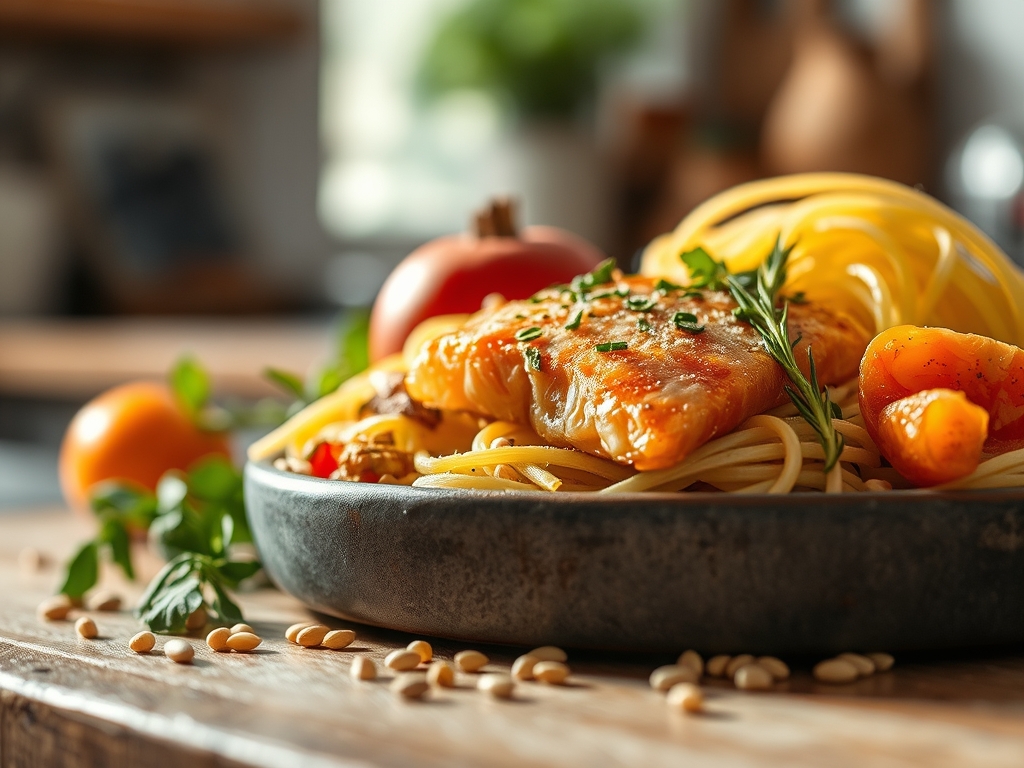
Picture this: the sun is dipping low; your kitchen is bathed in a warm amber glow; and you have exactly twenty minutes to transform a frantic Tuesday into a five star bistro experience. Finding pasta with salmon recipes easy enough for a weeknight but elegant enough for a date is the ultimate culinary flex. It is about that perfect moment when the silky fats of the fish meet the starchy embrace of al dente noodles. We are not just boiling water; we are engineering a masterpiece of texture and temperature.
The secret to mastering these dishes lies in the chemistry of the pan. Salmon is a fatty, delicate protein that demands respect, while pasta serves as the structural canvas. When you marry the two, you create a dish that is nutritionally dense and sensory-rich. We are looking for that specific "mouthfeel" where the sauce coats every strand without drowning it. Whether you are using smoked fillets or fresh Atlantic cuts, the goal is a harmonious balance of salt, fat, and acid. Let us skip the takeout and dive into the science of the perfect twenty minute sear.
The Gathers:
Before we ignite the burner, we must assemble our mise-en-place. To ensure your pasta with salmon recipes easy execution remains seamless, organization is non-negotiable. You will need high-quality salmon fillets; look for vibrant color and firm flesh that bounces back when pressed. For the pasta, choose shapes with ridges or "nooks" like fusilli or campanelle to trap the sauce.
Your toolkit should include a heavy-bottomed skillet for even heat distribution and a microplane for zesting citrus without hitting the bitter white pith. Grab your tongs for precise flipping and a digital scale if you want to be pedantic about portioning.
Smart Substitutions:
If you lack fresh salmon, high-quality canned wild-caught salmon works beautifully; just fold it in at the very end to prevent over-fragmentation. No heavy cream? Use a splash of starchy pasta water and a knob of cold butter to create a veloute-style emulsion. If you are dodging gluten, red lentil pasta offers a sturdy structure that complements the oily fish.
The Clock
The "Chef's Flow" is all about overlapping tasks to maximize efficiency. We operate on a dual-track timeline.
- Minutes 1 to 5: The Prep. Boil the water and season the salmon. Use this time to mince your aromatics like shallots and garlic.
- Minutes 6 to 15: The Active Cook. The pasta goes in the water while the salmon hits the skillet. We are looking for a four minute sear on the skin side to render the subcutaneous fat.
- Minutes 16 to 20: The Emulsion. This is the "marriage" phase where we deglaze the pan, toss the pasta, and flake the fish.
By the time the timer dings, the residual heat will finish the salmon to a perfect medium-rare, ensuring it remains succulent rather than chalky.
The Masterclass

1. The Sear and Render
Place your salmon skin-side down in a shimmering saucier or skillet with a high-smoke-point oil. Do not move it. We want the Maillard reaction to create a golden, savory crust.
Pro Tip: This is about thermal carryover. Remove the salmon when it is slightly underdone in the center; the internal temperature will continue to rise by 5 to 10 degrees while it rests on your cutting board.
2. The Aromatic Base
Once the fish is removed, use the leftover rendered fats to sauté shallots and garlic. Use a bench scraper to quickly move your chopped herbs from the board to the pan.
Pro Tip: Adding aromatics to the fat allows the fat-soluble flavor compounds to infuse the entire sauce base, creating a deeper flavor profile than adding them to liquid later.
3. The Deglaze
Pour in a splash of dry white wine or lemon juice. Use a wooden spoon to scrape up the fond, those delicious browned bits stuck to the bottom of the pan.
Pro Tip: This process uses acidity to dissolve caramelized proteins; it creates a complex, piquant foundation for your sauce that balances the richness of the fish.
4. The Starch Water Secret
Before draining your pasta, reserve half a cup of the cloudy cooking water. Add the pasta directly to the skillet.
Pro Tip: Pasta water contains released starches that act as a natural emulsifier. When shaken with fats like butter or oil, it creates a viscous sauce that clings to the noodles rather than pooling at the bottom.
5. The Gentle Fold
Flake the salmon into large, bite-sized chunks and fold them into the pasta. Add fresh herbs like dill or parsley at the very last second.
Pro Tip: Herbs contain volatile oils that dissipate with heat. Adding them at the end ensures the scent and flavor remain bright and aerated rather than muted and cooked-out.
6. The Final Seasoning
Finish with a flurry of lemon zest and a crack of black pepper. Taste for salt balance before serving.
Pro Tip: Salt suppresses bitterness and enhances sweetness. If the dish tastes "flat," it usually needs a touch more acid or salt to make the flavors "pop" on the palate.
The Deep Dive
Macro Nutrition:
Salmon is a powerhouse of Omega-3 fatty acids and high-quality protein. When paired with a complex carbohydrate like whole-wheat pasta, you get a sustained energy release. A standard serving provides roughly 35g of protein and 12g of healthy fats.
Dietary Swaps:
- Vegan: Swap salmon for pan-seared oyster mushrooms to mimic the texture; use cashew cream for the sauce.
- Keto: Replace pasta with zoodles or shirataki noodles. Increase the butter and omit the flour or thickeners.
- GF: Use brown rice pasta; ensure you rinse it briefly to prevent it from becoming overly gummy in the pan.
The Fix-It:
- Curdled Sauce: This happens if the heat is too high when adding dairy. Remove from heat and whisk in a teaspoon of warm pasta water to re-emulsify.
- Dry Salmon: If you overcooked the fish, flake it very finely and mix it into a creamier sauce to mask the texture.
- Bland Pasta: You likely forgot to salt the pasta water. Add a pinch of finishing salt or grated Parmesan to the final dish to compensate.
Meal Prep & Reheating:
To maintain "day-one" quality, store the sauce and pasta together but keep the salmon in a separate container. When reheating, use a low microwave setting or a stovetop pan with a splash of water to rehydrate the starches. Never overheat the salmon; it only needs to reach room temperature to be delicious.
The Wrap-Up
Mastering pasta with salmon recipes easy is about more than just a quick meal; it is about understanding how heat and fat interact to create comfort. You have the tools, the science, and the flow to turn a simple fillet into a culinary event. Go forth, use that microplane with confidence, and remember that the best ingredient in any kitchen is a curious cook. Dinner is served, and it is spectacular.
The Kitchen Table
How do I stop salmon from sticking to the pan?
Ensure the pan and oil are hot before adding the fish. Pat the salmon skin completely dry with paper towels. Once the skin is properly seared and crispy, it will naturally release from the surface of the pan.
Can I use frozen salmon for these recipes?
Yes, but thaw it completely in the refrigerator first. Pat it dry to remove excess moisture. Frozen salmon often contains more water, so a high-heat sear is essential to prevent it from steaming rather than browning.
What is the best pasta shape for salmon?
Long, flat noodles like fettuccine or linguine are classic for creamy sauces. For oil-based or chunky sauces, use short shapes with ridges like penne or fusilli to catch the flakes of fish and aromatics in every bite.
How do I know when the salmon is done?
The fish is done when it reaches an internal temperature of 125 to 130 degrees Fahrenheit for medium-rare. The flesh should be opaque on the outside and flake easily with a fork while remaining slightly translucent in the very center.