
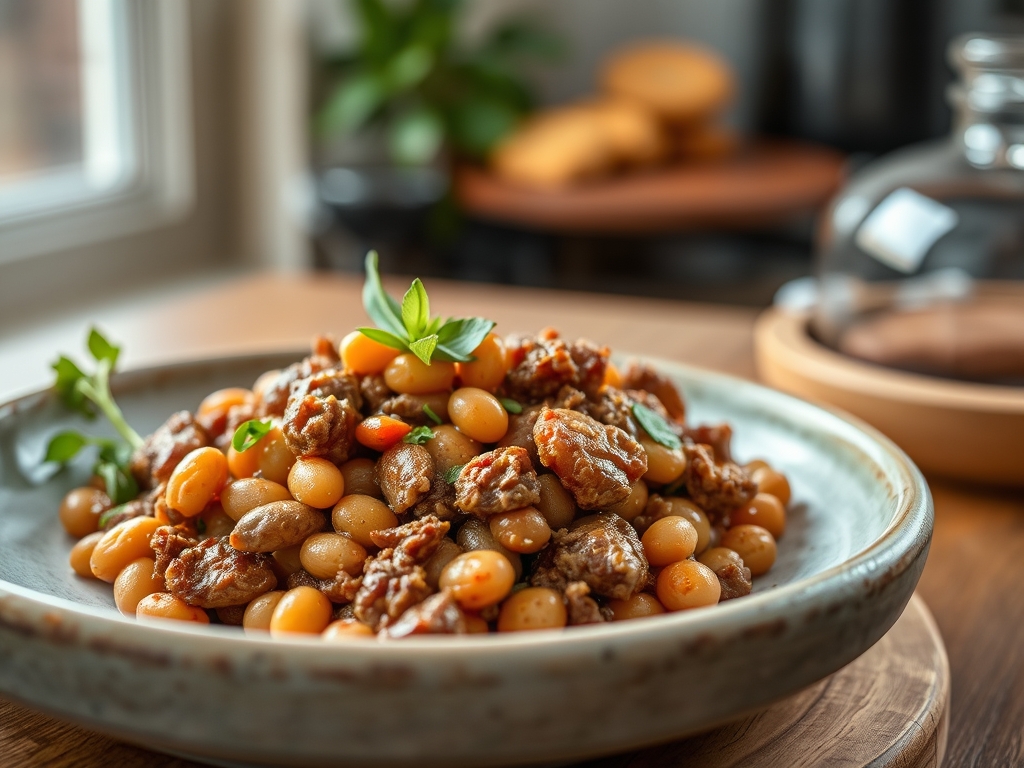
Imagine a kitchen where the air is heavy with the scent of toasted cumin and the rhythmic sizzle of fat hitting a hot pan. This is the alchemy of comfort. When you master beans and ground beef recipes, you are not just making dinner; you are orchestrating a perfect marriage of high-protein textures and deep, savory umami. The beef provides a rich, fatty foundation while the beans offer a creamy, fiber-dense counterpoint. Together, they create a meal that feels indulgent yet remains incredibly efficient for a busy weeknight. Whether you are craving a smoky chili or a zesty skillet bake, these recipes are the backbone of a high-performance pantry. We are going to dive into the molecular magic that makes this duo work, from the way starches thicken a sauce to the precise moment a Maillard reaction transforms grey meat into golden-brown perfection. Grab your favorite heavy-bottomed skillet and let's get to work on these six foundational variations.
The Gathers:
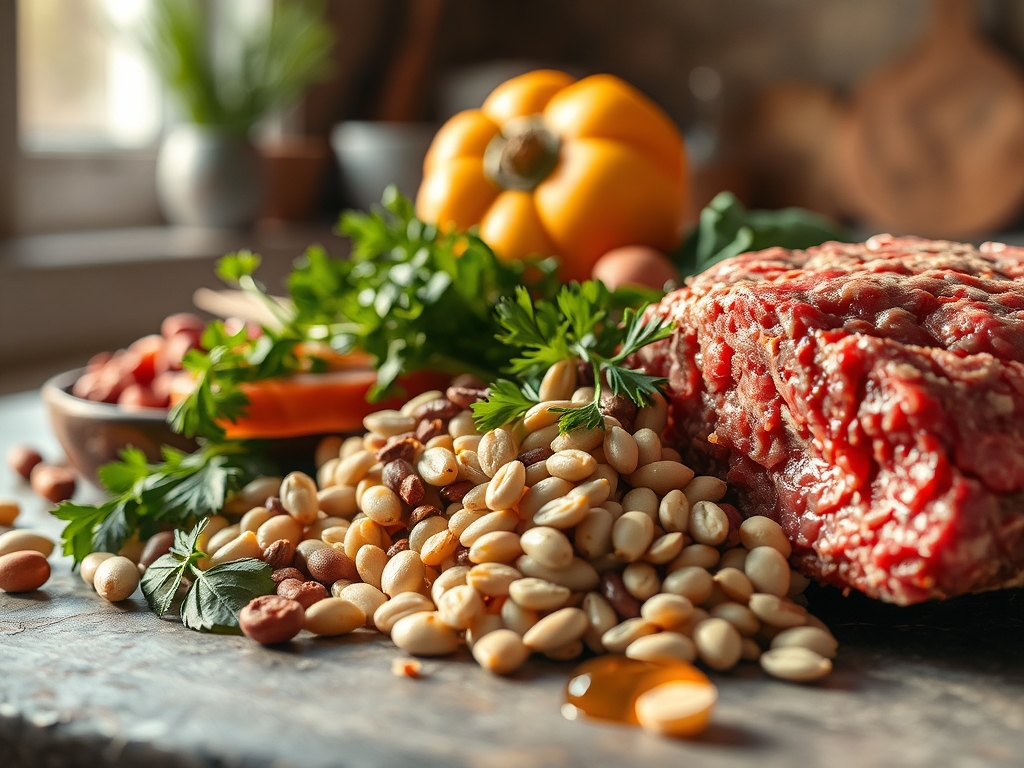
To execute these beans and ground beef recipes with professional precision, your mise-en-place must be flawless. Start with your protein; look for an 80/20 lean-to-fat ratio. This specific ratio ensures enough tallow renders out to sauté your aromatics without drowning the dish in grease. For the beans, if you are using canned varieties like kidney, pinto, or black beans, always rinse them in a fine-mesh sieve. This removes the excess metallic-tasting aquafaba and sodium.
Your aromatic base should include "The Holy Trinity" of onions, bell peppers, and garlic. Use a sharp chef knife to achieve a uniform small dice; consistent surface area ensures even caramelization. You will also need a high-quality tomato paste to provide acidity and a viscous body to your sauces. For seasoning, keep a microplane handy to grate fresh garlic or even a touch of dark chocolate into your chili for a complex, piquant finish.
Smart Substitutions:
If you are looking to lighten the caloric density, swap half the beef for finely minced cremini mushrooms. Mushrooms share a similar cellular structure to meat and will absorb the savory juices. If you are out of traditional beans, chickpeas offer a sturdy, nutty alternative that holds its shape under high heat. For a smoky depth without a grill, a teaspoon of liquid smoke or smoked paprika (pimenton) can mimic hours of wood-fire slow-cooking.
The Clock
Efficiency in the kitchen is about understanding "Chef's Flow." Most beans and ground beef recipes require a total time of 45 to 60 minutes. The first 15 minutes are dedicated to prep; use a bench scraper to quickly move your chopped aromatics from the cutting board to your prep bowls. The actual cooking phase is split between searing and simmering.
Searing the beef takes about 8 to 10 minutes. You must resist the urge to stir constantly; let the meat develop a crust. The simmering stage is where the magic happens, usually taking 20 to 30 minutes. This is not just for heating; it is for the "intermingling of volatile compounds." During this time, the starches from the beans slightly leach into the liquid, creating a natural emulsion that coats the beef. Always use a digital scale to measure your spices for consistency, and set a timer to ensure you do not over-reduce your sauce into a salty paste.
The Masterclass
1. The Hard Sear
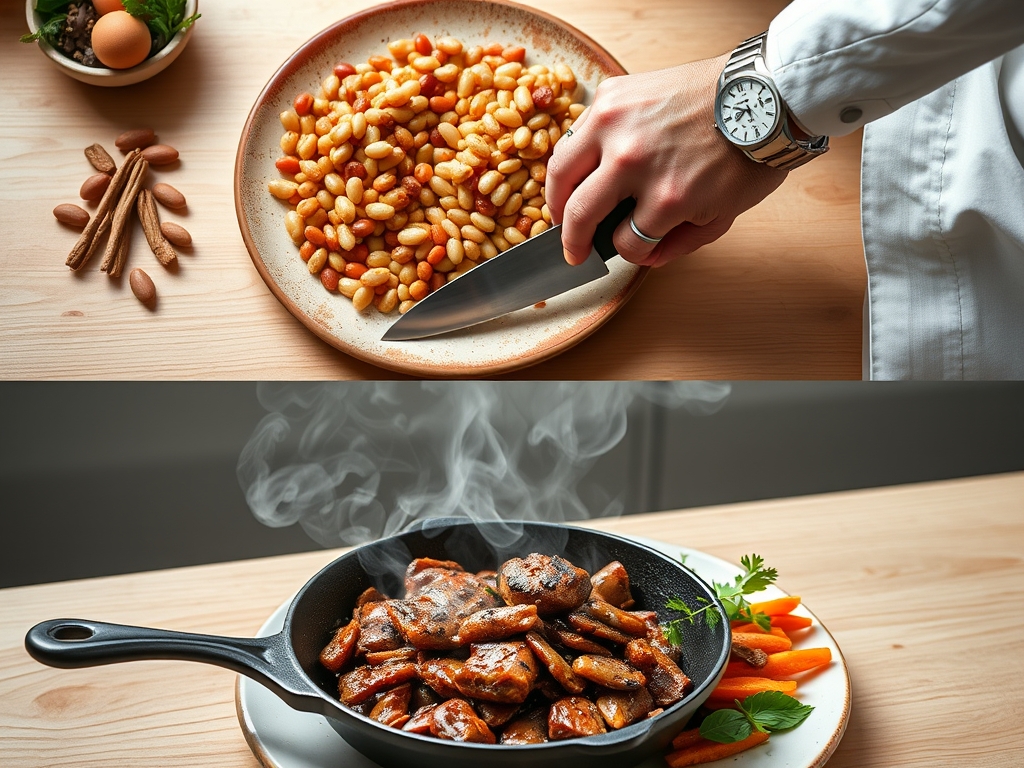
Place your heavy-bottomed skillet over medium-high heat until a drop of water flicked onto the surface dances and evaporates instantly. Add the beef in a flat layer. Do not crowd the pan, or the meat will steam in its own moisture rather than brown.
Pro Tip: This stage relies on the Maillard reaction, a chemical reaction between amino acids and reducing sugars. By letting the meat sit undisturbed, you create hundreds of new flavor compounds that simply do not exist in boiled or steamed meat.
2. Rendering and Aromatics
Once the beef is browned, push it to the edges of the pan and add your onions and peppers to the center. Use the rendered beef fat to soften the vegetables. If the pan looks dry, add a teaspoon of neutral oil.
Pro Tip: This is called fat-soluble flavor extraction. Many of the aromatic compounds in onions and spices like cumin are fat-soluble, meaning they need a lipid medium to fully release their scent and flavor profile into the dish.
3. Deglazing the Fond
As you cook, a brown film will form on the bottom of the pan called the "fond." Pour in a splash of beef stock, beer, or even water. Use a wooden spoon or a flat-edged spatula to scrape these bits back into the mix.
Pro Tip: Deglazing is essential for flavor layering. The fond contains concentrated meat juices and sugars that have undergone caramelization. Incorporating them back into the liquid prevents bitterness and adds a professional depth of flavor.
4. The Bean Integration
Add your rinsed beans and any liquid components like crushed tomatoes or broth. Stir gently to combine. If you are making a skillet bake, this is when you would fold in your beans to ensure they are evenly distributed.
Pro Tip: Beans contain amylopectin, a type of starch. As they simmer, a small amount of this starch escapes, acting as a natural thickener for your sauce. This creates a luxurious mouthfeel without the need for a flour-based roux.
5. The Low Simmer
Reduce the heat to low and cover the pan. Let the mixture bubble gently. This allows the tough fibers in the beef (if using a coarser grind) to soften and the spices to infuse every bite.
Pro Tip: This is the infusion phase. Heat increases the kinetic energy of the molecules, allowing the capsaicin from peppers and the essential oils from herbs to migrate into the protein and beans, creating a cohesive flavor profile.
6. The Final Brighten
Before serving, taste your creation. It will likely need a hit of acidity to cut through the richness. Squeeze in some fresh lime juice or add a teaspoon of apple cider vinegar.
Pro Tip: This addresses palate fatigue. Acidity balances the heavy fats and proteins by stimulating salivation, which helps "cleanse" the tongue and makes the savory flavors pop more vibrantly.
The Deep Dive
When we look at the macro nutrition of beans and ground beef recipes, we see a powerhouse of iron, zinc, and B-vitamins. A single serving typically provides 25 to 35 grams of protein. To keep it keto-friendly, swap traditional beans for black soybeans, which are significantly lower in net carbs. For a vegan version, use a plant-based "ground" crumble and ensure your beans are seasoned with liquid aminos for that missing umami.
The Fix-It:
If your dish is too salty, do not add water, which dilutes the flavor. Instead, add a peeled, halved potato; it will absorb excess salt as it simmers. If the sauce is too thin, mash a handful of the beans against the side of the pot to release more starch. If the beef feels "rubbery," you likely boiled it at too high a temperature; next time, ensure a gentle simmer to keep the proteins from tightening.
Meal Prep Science:
These dishes are actually better on day two. As the mixture cools, the flavors continue to undergo "aroma equilibration." When reheating, use a saucier and add a tablespoon of water or stock. Cover the pan to create steam; this prevents the beans from drying out and ensures the beef remains tender.
The Wrap-Up
Mastering beans and ground beef recipes is like having a culinary superpower in your back pocket. It is the ultimate "fridge-clearing" skill that results in a meal that tastes like it took hours of slow-braising. By understanding the science of the sear and the importance of starch-based thickening, you have leveled up from a home cook to a kitchen scientist. Now, go grab those tongs, fire up the stove, and turn those humble pantry staples into a masterpiece that would make any chef proud.
The Kitchen Table
Can I use dried beans instead of canned?
Yes, but you must soak and pre-cook them first. Dried beans take much longer to soften than ground beef. Simmer them until "al dente" before adding them to your beef skillet to ensure even textures throughout the dish.
How do I prevent the ground beef from getting greasy?
Choose a leaner blend like 90/10 or drain the excess fat after the initial browning. Alternatively, sauté your aromatics in a separate pan and combine them later to control the exact amount of lipid integration in the final sauce.
What is the best way to freeze these recipes?
Cool the mixture completely to prevent ice crystal formation. Store in airtight containers with minimal headspace. To reheat, thaw in the fridge overnight and warm on the stovetop to maintain the structural integrity of the beans and meat.
Why does my chili taste better the next day?
This is due to "flavor marriage." As the dish sits, chemical reactions continue. Polyphenols and aromatic compounds redistribute evenly, and the proteins further break down, resulting in a more harmonious and complex flavor profile than when freshly cooked.