
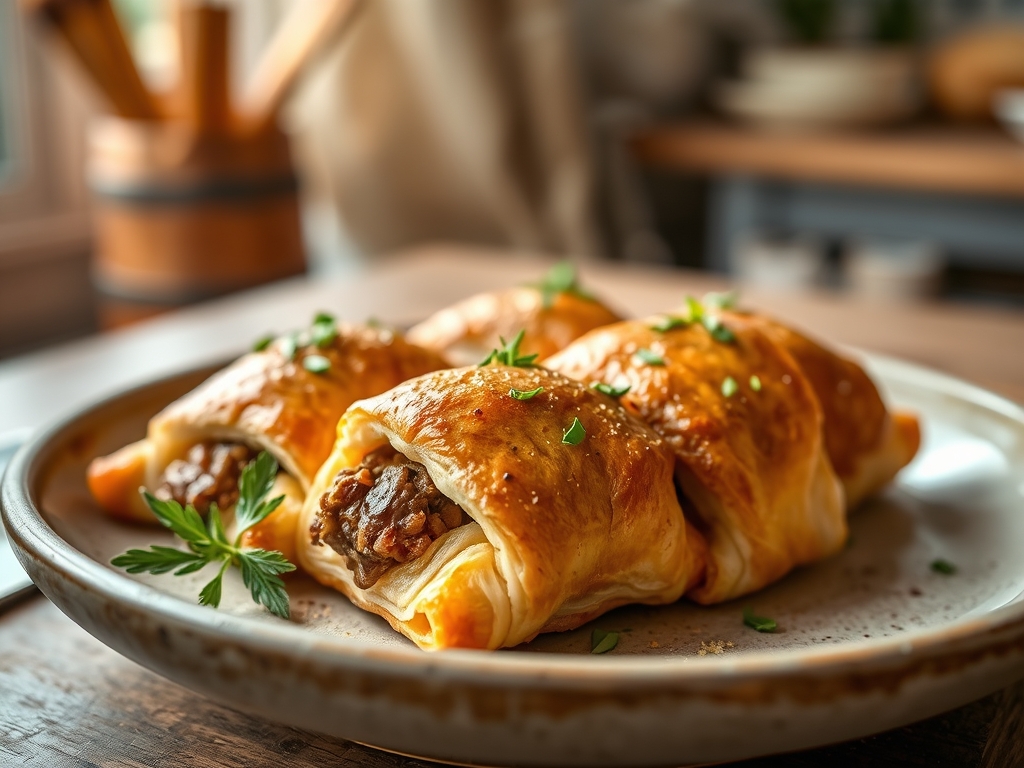
Picture the sound of a heavy-bottomed skillet meeting the flame. Within minutes, the air transforms into a thick, savory perfume of rendering fat and toasted grains. When life feels chaotic, leaning into versatile crescent roll ground beef recipes is the ultimate culinary hack for high-impact flavor with minimal friction. It is the perfect marriage of buttery, laminated dough and protein.
We are talking about a golden, flaky crust that shatters under the fork to reveal a rich, umami-laden interior. Whether you are craving a deconstructed cheeseburger or a spicy taco ring, these recipes rely on the same foundational chemistry. The dough provides a high-fat barrier that traps the juices of the beef, ensuring every bite is moist and seasoned to the core. This is not just a quick dinner; it is a masterclass in texture and convenience.
From weeknight rushes to hosting your closest friends, mastering these ten variations allows you to pivot from savory to piquant in a single pan. By understanding how to balance the moisture content of the meat with the delicate structure of the crescent pastry, you can achieve professional results every single time. Let us get into the grit of the prep.
The Gathers:
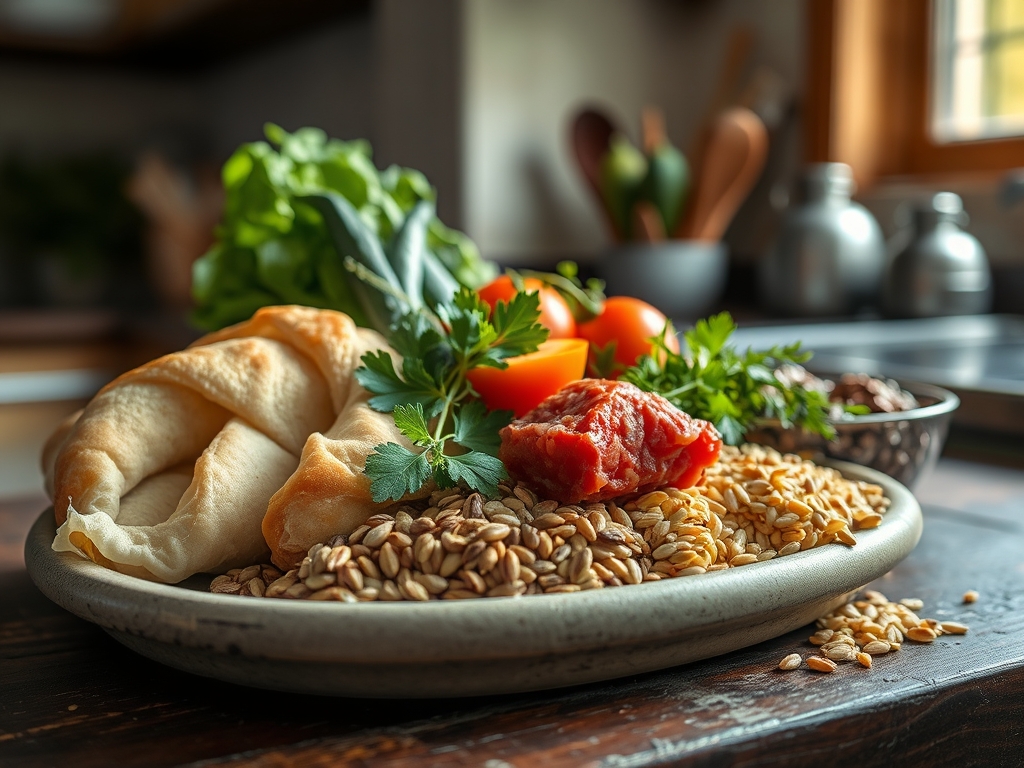
Before we ignite the burner, we need our mise-en-place. For the best crescent roll ground beef recipes, quality starts with the fat-to-lean ratio. I recommend an 80/20 blend of ground chuck. This provides enough lipid content to render down and create a luscious mouthfeel without making the dough soggy. You will also need a high-quality refrigerated crescent dough; look for brands that prioritize real butter over vegetable oils for a superior crumb.
Your aromatics are non-negotiable. Finely diced yellow onions and cloves of garlic processed through a microplane will ensure even distribution of flavor. For the dairy component, sharp cheddar or a viscous Gruyere offers the best meltability. Do not forget the binding agents like tomato paste or a splash of Worcestershire sauce to deepen the savory profile.
Smart Substitutions:
If you are looking to lighten the profile, ground turkey or bison works beautifully. However, because these are leaner proteins, you must add a teaspoon of olive oil to the skillet to prevent the meat from becoming granular. For a dairy-free swap, use a cashew-based cream sauce to maintain that essential creamy texture. If you find yourself out of crescent rolls, a sheet of puff pastry is a sophisticated alternative that yields a more pronounced lift.
The Clock: Chef's Flow
Efficiency in the kitchen is all about the "Chef's Flow." Total active prep time for these recipes is usually fifteen minutes, followed by a twenty-minute bake. While the oven preheats to 375 degrees Fahrenheit, you should be browning your beef. Use a bench scraper to quickly clear your cutting board of aromatics.
The secret to a thirty-minute meal is overlapping tasks. While the meat is browning, unroll your dough and arrange it on a parchment-lined baking sheet. By the time the oven signals it is ready, your filling should be seasoned and cooled slightly. This prevents the heat from prematurely melting the fats in the dough, which would ruin the lamination.
The Masterclass
1. The Sear and Render
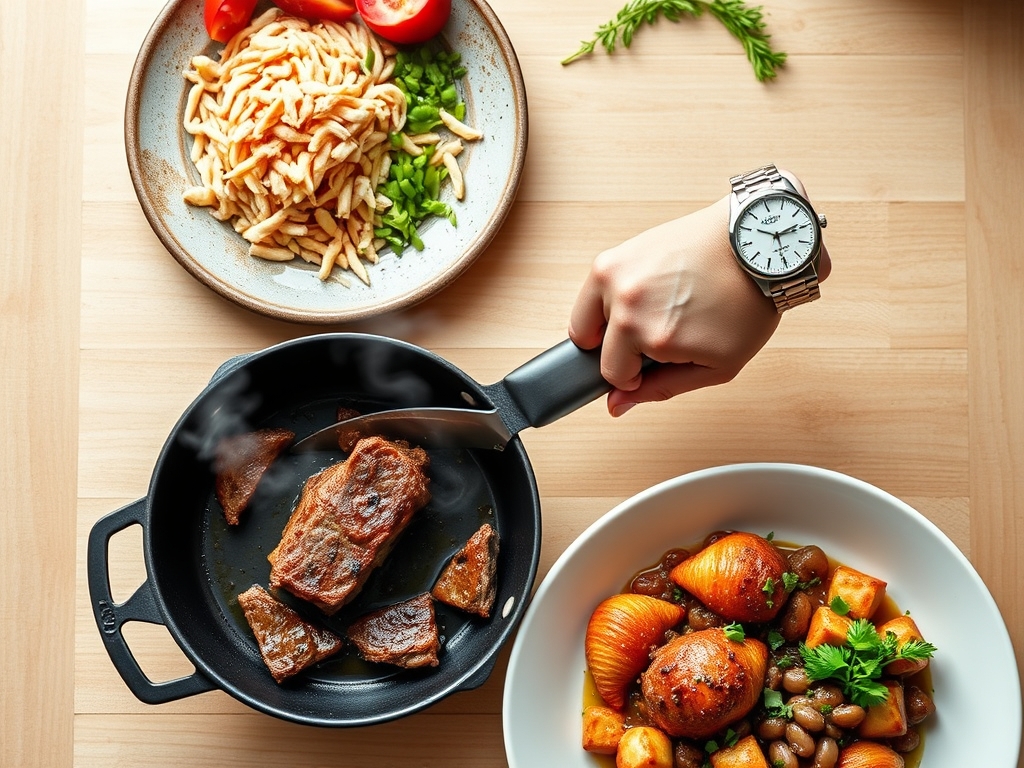
Place your ground beef in a preheated heavy-bottomed skillet. Do not crowd the pan; this leads to steaming rather than browning. Use a wooden spoon to break the meat into small, uniform crumbles.
Pro Tip: This stage is all about the Maillard reaction. By allowing the meat to develop a deep brown crust, you are creating complex flavor molecules that raw meat simply lacks. Do not stir too often; let the heat work its magic.
2. Deglazing and Aromatics
Once the meat is browned, push it to the sides and drop in your onions and garlic. Once they are translucent, add a splash of beef stock or wine to deglaze the pan, scraping up the browned bits (the fond) from the bottom.
Pro Tip: Deglazing incorporates the fond back into the mixture, which is essentially concentrated umami. This step ensures that no flavor is left behind on the surface of the pan.
3. The Binding Phase
Stir in your thickeners, such as flour or tomato paste, and your liquid seasonings. This creates a viscous sauce that coats the beef, ensuring the filling stays together inside the crescent roll.
Pro Tip: Emulsifying the fats with a small amount of starch prevents "leakage" during the bake. This keeps the bottom of your crescent rolls crisp rather than greasy.
4. Assembly and Shaping
Lay out your crescent triangles. Place a generous spoonful of the beef mixture at the wide end, then roll toward the point. Arrange them in a circle or a log, depending on the specific recipe style you have chosen.
Pro Tip: Ensure the filling has cooled for at least five minutes. If the filling is too hot, it will melt the solid fats in the dough, leading to a flat, heavy pastry instead of a light, flaky one.
5. The Golden Finish
Brush the tops of the dough with an egg wash (one egg beaten with a teaspoon of water) and sprinkle with sesame seeds or dried herbs. Slide the tray into the center rack of the oven.
Pro Tip: The egg wash acts as a protein-rich glaze that undergoes its own browning process. This provides that professional, high-gloss golden finish seen in bakery windows.
The Deep Dive
When we look at the macro nutrition, a standard serving of these crescent roll ground beef recipes provides a balanced hit of protein and carbohydrates. On average, one roll contains about 250 calories, 12 grams of protein, and 18 grams of fat. To optimize this, serve with a bright, acidic side salad to cut through the richness.
Dietary Swaps:
For a Keto-friendly version, you can make a "fathead dough" using mozzarella and almond flour. For a vegan twist, swap the beef for lentils or crumbled tempeh and use a vegan-certified crescent dough. For gluten-free needs, many specialty grocers now carry GF refrigerated doughs that perform admirably under heat.
The Fix-It:
If your dough is soggy, it means your filling was too wet. Next time, drain the excess fat more thoroughly or increase the amount of binder. If the meat is dry, you likely overcooked it during the browning phase; remember thermal carryover means the meat continues to cook inside the oven. If the rolls are browning too fast on top, tent them with foil to allow the interior to finish without burning the exterior.
Meal Prep:
To reheat, avoid the microwave. The moisture will turn the pastry into a gummy mess. Instead, use an air fryer or toaster oven at 350 degrees for five minutes. This re-hydrates the crust while keeping the interior succulent.
The Wrap-Up
Mastering crescent roll ground beef recipes is like having a secret weapon in your culinary holster. It is about the science of lamination meeting the comfort of a well-seasoned filling. These dishes are tactile, savory, and undeniably satisfying. Whether you are a seasoned home cook or just starting your journey, the versatility of these ingredients allows you to express your creativity while guaranteeing a crowd-pleasing result. Now, go grab that skillet and start rendering.
The Kitchen Table
Can I make these ahead of time?
Yes, you can assemble the rolls and refrigerate them for up to four hours before baking. However, do not add the egg wash until the moment they go into the oven to maintain the dough's integrity.
What is the best way to prevent soggy bottoms?
Always drain the browned beef in a colander before adding it to the dough. Additionally, baking on a preheated pizza stone or a perforated baking sheet helps the bottom crust crisp up via direct heat transfer.
How do I store leftovers?
Store leftovers in an airtight container in the refrigerator for up to three days. To maintain the flaky texture, always reheat in an oven or air fryer rather than a microwave to avoid a rubbery consistency.
Can I freeze these recipes?
You can freeze the assembled, unbaked rolls for up to one month. Bake them directly from frozen, adding an extra five to seven minutes to the total cook time to ensure the center is heated through.