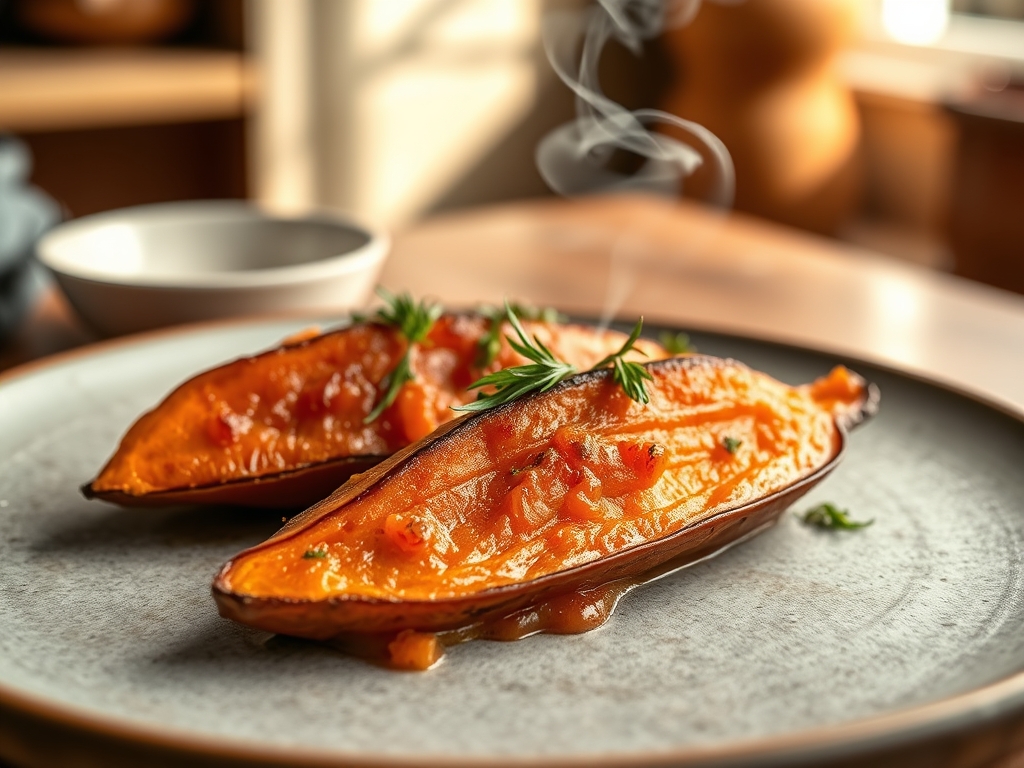
Imagine walking into a high end steakhouse where the air is thick with the scent of searing butter and charred oak. You are there for the steak, but you stay for that legendary side dish; the one with the crust that shatters like glass and an interior as smooth as velvet. When we talk about sweet potato recipes ruth chris, we are not just discussing dinner; we are discussing a masterclass in texture and temperature. This is the ultimate comfort food elevated to an art form. It is a dish that balances the earthy sweetness of the tuber with a sophisticated, salty crunch. I have spent hours in my kitchen with a digital scale and a heavy bottomed skillet to reverse engineer this magic just for you. We are moving beyond the basic holiday mash and into the realm of professional culinary styling. Together, we will unlock the chemistry of the Maillard reaction and the physics of the perfect pecan crust. Grab your apron; we are about to turn your kitchen into the best seat in the house.
The Gathers:
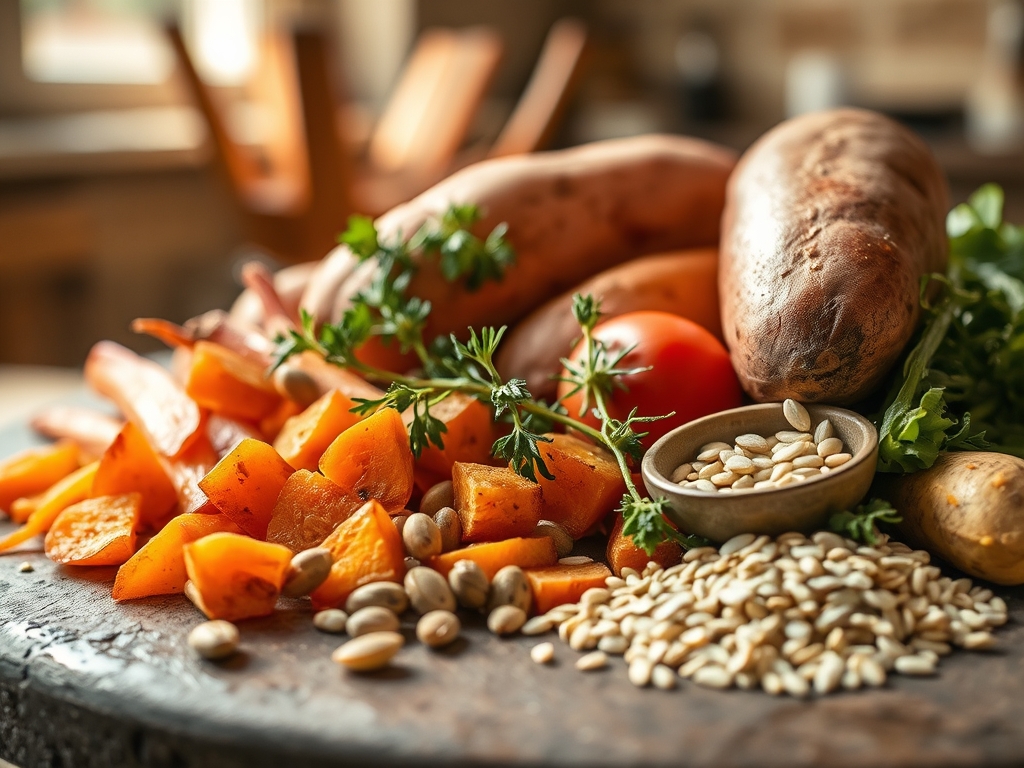
To achieve that iconic flavor profile, your mise en place must be precise. We start with five large Beauregard or Jewel sweet potatoes. These varieties are high in amylase, the enzyme that converts starch into maltose during the roasting process. You will need one cup of granulated sugar and a half cup of softened unsalted butter to create a viscous base. For the custard element, gather two large eggs and a splash of pure vanilla extract.
The crown of this dish is the pecan crust. You will need one cup of chopped pecans, one cup of brown sugar, one third cup of all purpose flour, and a half cup of melted butter. Use a microplane to zest a hint of orange into the mix for a piquant aromatic lift.
Smart Substitutions: If you are watching your glycemic index, you can swap the granulated sugar for an erythritol blend. For a dairy free version, use a high quality vegan butter substitute that has a high fat to water ratio to ensure the crust remains crisp rather than soggy. If you lack a traditional masher, a bench scraper can be used to break down the roasted skins if you prefer a rustic texture, though a potato ricer is preferred for that signature silkiness.
The Clock: Chef's Flow
Efficiency in the kitchen is about managing thermal energy. Your total active time will be approximately 20 minutes, with a total cook time of 75 minutes.
- The Roast (50-60 minutes): This is the passive phase where the potatoes undergo enzymatic breakdown.
- The Assembly (10 minutes): While the potatoes are hot, we incorporate the fats and sugars to ensure a perfect emulsification.
- The Final Bake (15-20 minutes): This is the high heat phase where we achieve the caramelization of the pecan topping.
The "Chef's Flow" suggests preparing the pecan crumble while the potatoes are in the oven. By the time the tubers are tender, your topping is ready, preventing any temperature drops that could lead to a "weeping" custard.
The Masterclass:
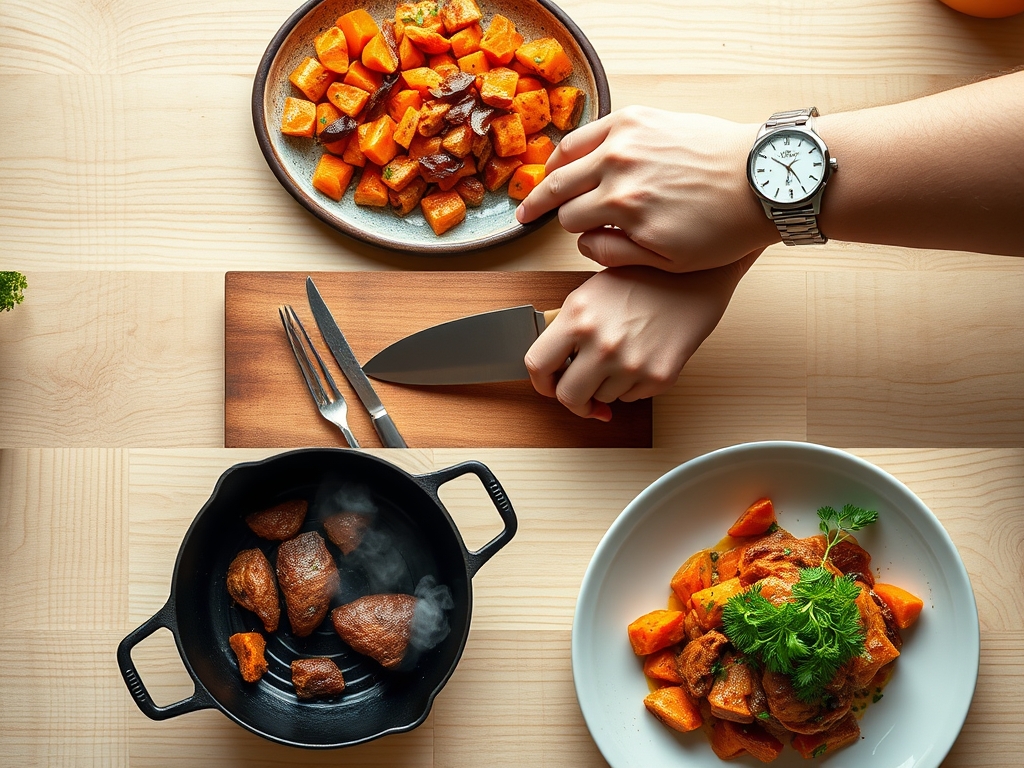
1. The High Heat Foundation
Preheat your oven to 400 degrees Fahrenheit. Scrub your potatoes and pierce them with a fork to allow steam to escape. Place them directly on the oven rack with a foil lined tray underneath to catch any escaping sugars.
Pro Tip: Piercing the skin prevents the buildup of internal pressure. This ensures the cell walls of the potato break down evenly without the tuber exploding; a process known as starch gelatinization.
2. The Silk Extraction
Once the potatoes are soft to the touch, remove them and let them cool just enough to handle. Peel the skins away and pass the flesh through a potato ricer or a fine mesh sieve into a saucier or large bowl.
Pro Tip: Ricing the potato while it is still warm prevents the starch molecules from crystallizing. This results in a smoother mouthfeel compared to mashing cold potatoes, which can become gluey and viscous in an unappealing way.
3. Aerating the Base
Add your sugar, softened butter, and vanilla to the warm potato mash. Use a whisk to aerate the mixture. Once the temperature has dropped slightly, whisk in your eggs.
Pro Tip: Adding eggs to a mixture that is too hot will result in scrambled bits. By waiting until the mash is below 140 degrees Fahrenheit, you allow the egg proteins to denature slowly during the second bake, creating a stable, soufflé like structure.
4. The Pecan Infusion
In a separate bowl, combine your pecans, brown sugar, flour, and melted butter. Use your fingers or a fork to create pea sized crumbles. This is where you add that pinch of salt to balance the sweetness.
Pro Tip: The flour in the topping acts as a binder. It absorbs the melting butter and sugar, preventing the topping from sinking into the potato base. This creates a distinct textural contrast between the crunch and the cream.
5. The Final Render
Spread the potato mixture into a buttered baking dish. Top it generously with the pecan crumble. Lower the oven temperature to 350 degrees Fahrenheit and bake until the edges are bubbling and the top is golden brown.
Pro Tip: Lowering the heat for the second bake protects the delicate egg proteins in the base. This prevents syneresis, which is the technical term for when a custard "weeps" or releases water.
6. The Rest and Set
Remove the dish from the oven and let it sit for at least ten minutes before serving. This allows the sugars in the crust to harden into a brittle layer.
Pro Tip: This resting period utilizes thermal carryover. The internal temperature will continue to rise slightly, finishing the cook perfectly while the exterior cools into a shatteringly crisp shell.
The Deep Dive:
Macro Nutrition: A standard serving of this decadent dish contains approximately 350 calories. It is rich in Vitamin A and potassium, though the sugar and fat content make it a clear "indulgence" food.
Dietary Swaps: To make this Gluten Free, simply swap the all purpose flour in the topping for almond flour or a 1:1 GF blend. For a Keto version, use heavy cream instead of sugar in the base and a monk fruit sweetener for the topping.
The Fix-It:
- Too Runny: If your mash is watery, your potatoes might have been boiled instead of roasted. Fix this by folding in a tablespoon of cornstarch before the second bake.
- Burnt Topping: If the pecans are browning too fast, tent the dish with foil. This reflects radiant heat while allowing the base to continue setting.
- Bland Flavor: If it tastes flat, add a teaspoon of lemon juice. The acid cuts through the fat and brightens the natural sugars of the potato.
Meal Prep: To reheat and maintain "day one" quality, avoid the microwave. Use a toaster oven at 325 degrees Fahrenheit. This dry heat recrisps the pecan fats and prevents the base from becoming soggy.
The Wrap-Up:
Mastering sweet potato recipes ruth chris is about more than just following a list of ingredients; it is about respecting the chemistry of the kitchen. By controlling the starch behavior and managing the caramelization of the crust, you have created a side dish that rivals any main course. This recipe is a testament to how simple ingredients, when treated with professional technique, can transform into something truly extraordinary. Now, go ahead and serve this up. Watch your guests' eyes light up as they experience that first, perfect bite of crunchy, buttery heaven.
The Kitchen Table:
Can I make this dish ahead of time?
Yes. You can prepare the potato base and the pecan topping separately up to two days in advance. Store them in airtight containers in the fridge. Assemble and bake the dish just before serving to ensure the crust stays perfectly crisp.
Why is my pecan crust soggy?
Soggy crusts usually happen if the potato base is too watery or if the topping was added too early. Ensure you roast your potatoes rather than boiling them, and only add the topping immediately before the final bake to maintain texture.
What is the best potato for this recipe?
Use Beauregard or Jewel sweet potatoes. These are "moist-fleshed" varieties that become creamy when cooked. Avoid "dry-fleshed" varieties like Japanese White sweet potatoes, as they will result in a crumbly, starchier texture that does not emulsify well with butter.
Can I use canned yams for this?
While possible, canned yams are often packed in syrup which alters the sugar balance. They also lack the depth of flavor found in fresh roasted potatoes. If you must use them, drain them thoroughly and reduce the added sugar in the recipe.