
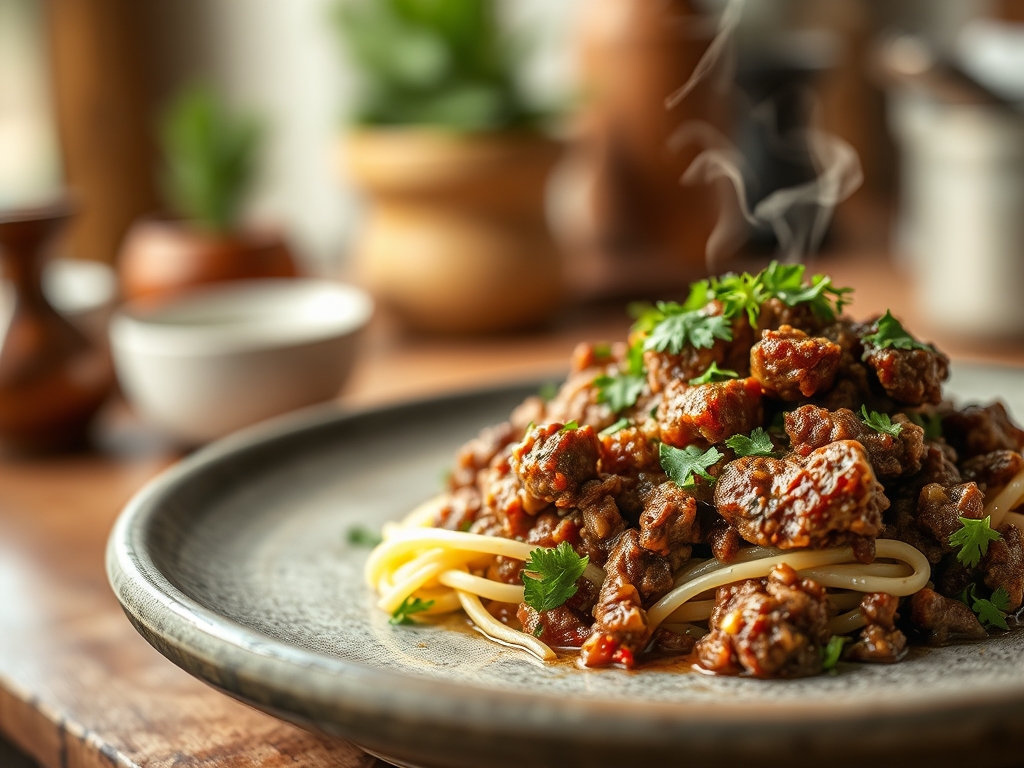
Picture the sizzle of a heavy bottomed skillet as the fat begins to render; releasing a cloud of oregano and garlic that instantly transports you to a seaside taverna in Mykonos. We are not just making dinner tonight. We are mastering the art of the sizzle with these ground beef recipes greek style. It is about that perfect balance of salt; acid; and fat.
The beauty of ground beef lies in its surface area. More surface area means more opportunities for the Maillard reaction; that glorious chemical dance between amino acids and reducing sugars that creates a savory crust. When you lean into Mediterranean flavors; you are layering piquant feta and bright lemon juice against the deep; umami richness of the meat. This is soul food with a high IQ. Whether you are whipping up a quick weeknight bowl or a layered moussaka; understanding the molecular behavior of your ingredients will turn a basic pound of beef into a culinary masterpiece. Grab your apron and a glass of Assyrtiko; because we are about to elevate your kitchen game with precision and flair.
The Gathers:
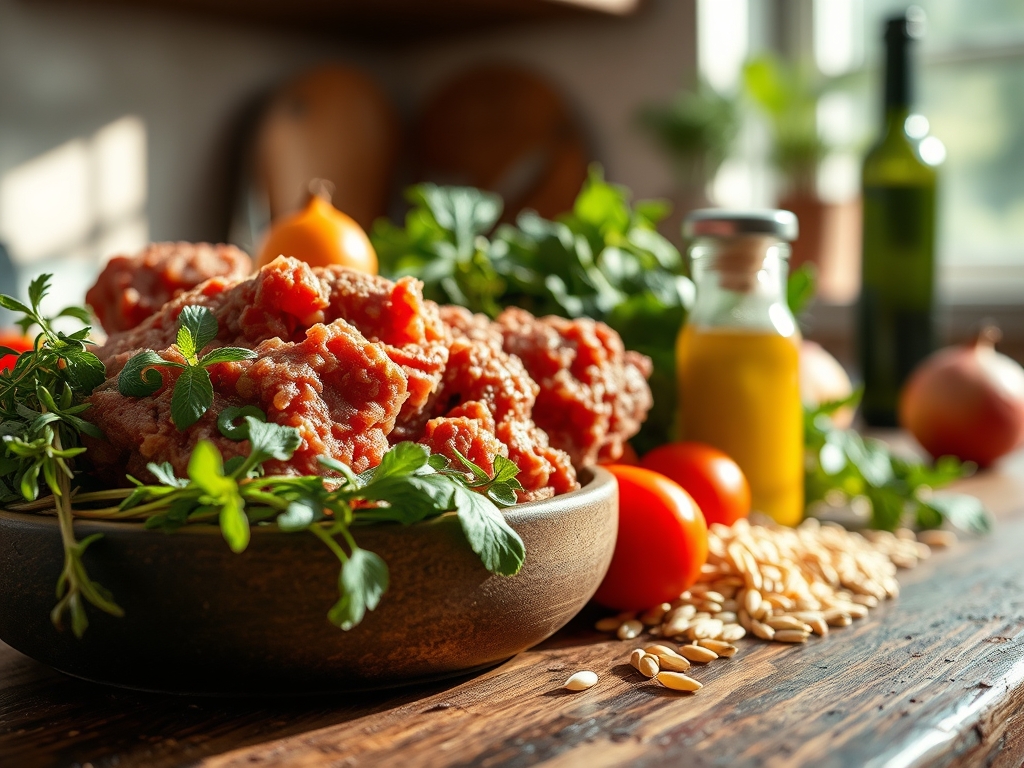
Before we ignite the burner; we must respect the mise-en-place. For these ground beef recipes greek enthusiasts crave; start with a high quality 80/20 blend. The 20 percent fat content is non-negotiable for flavor transport; as many aromatic compounds in herbs like oregano and marjoram are fat-soluble. You will need a microplane for zesting lemons and grating garlic into a fine paste; ensuring even distribution without the bitterness of burnt chunks.
Your pantry should boast Kalamata olives for their viscous; briny punch and high-quality extra virgin olive oil for finishing. Do not forget the spices: dried oregano; cinnamon (the secret to authentic Greek depth); and crushed red pepper. For the "Smart Substitutions;" if you are watching your saturated fats; you can swap half the beef for ground lamb to maintain that authentic gaminess or use a plant-based crumble. If you lack fresh herbs; remember that dried herbs are more potent; use a one-to-three ratio. Always use a digital scale to portion your meatballs or patties; ensuring they cook at the exact same rate.
The Clock: Chef's Flow
Efficiency in the kitchen is about "Chef's Flow." For most of these ground beef recipes greek variations; you are looking at a 15-minute prep and a 20-minute cook time. The secret is overlapping tasks. While your heavy-bottomed skillet preheats (a crucial step for a proper sear); use that time to dice your aromatics.
The total time investment is roughly 35 to 45 minutes. By the time the meat is resting—allowing the muscle fibers to relax and reabsorb juices—you should be whisking your lemon-tahini dressing or crumbling the feta. This synchronized approach prevents the "kitchen chaos" syndrome and ensures every component reaches the plate at its thermal peak.
The Masterclass:
1. The Sear and Render
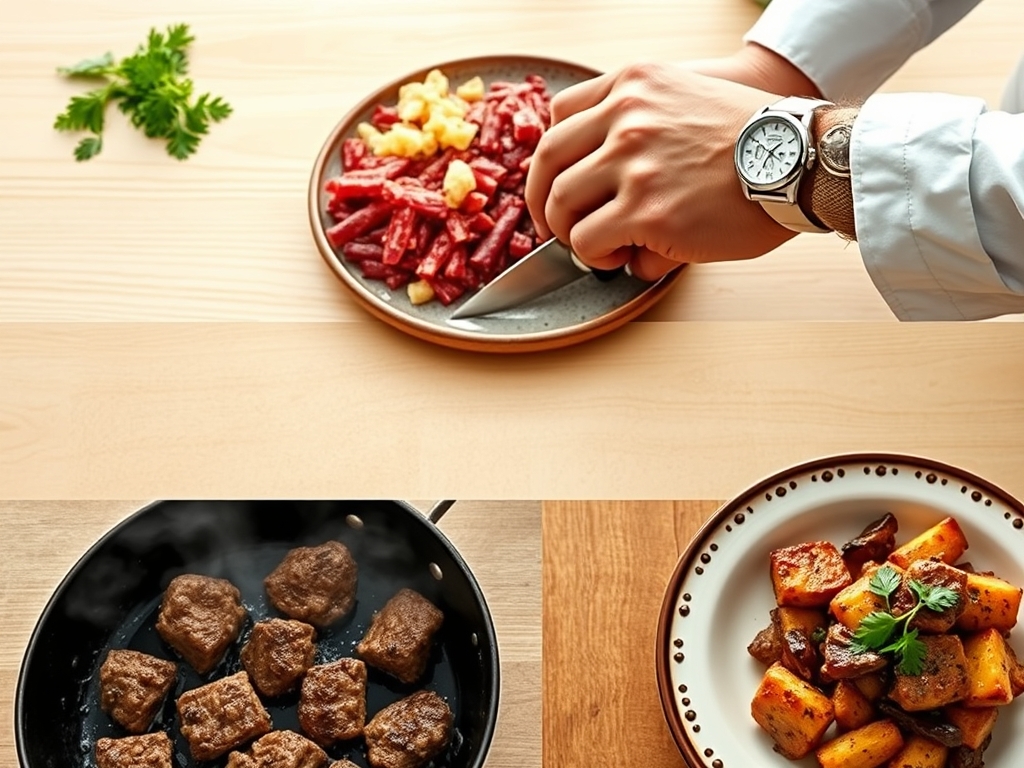
Place your ground beef in a preheated cast iron pan. Do not crowd the meat; as this drops the temperature and causes the beef to steam in its own juices rather than brown. Use a stiff metal spatula or a bench scraper to break the meat into small; uniform crumbles.
Pro Tip: This stage relies on the Maillard reaction. By letting the meat sit undisturbed for the first three minutes; you allow complex sugars to caramelize; creating a deeper flavor profile that cannot be replicated by boiling or steaming.
2. Infusing the Aromatics
Once the meat is browned; create a "well" in the center of the pan. Add your minced garlic; diced shallots; and dried oregano directly onto the hot surface. Sauté until the spices become fragrant and the oils are released.
Pro Tip: This is called blooming spices. Many of the flavor compounds in dried Mediterranean herbs are hydrophobic; meaning they need heat and fat to "awaken" and fully infuse the beef with their essence.
3. Deglazing for Depth
Pour in a splash of dry white wine or a squeeze of fresh lemon juice. Use your spatula to scrape up the brown bits (the fond) stuck to the bottom of the pan. This liquid will emulsify with the rendered fat to create a light; savory sauce.
Pro Tip: Deglazing utilizes solvent extraction. The acidity in the lemon juice or wine dissolves the protein-rich fond; incorporating those concentrated flavor molecules back into your dish for a more cohesive palate.
4. The Texture Balance
Fold in your "soft" ingredients like spinach; roasted red peppers; or halved cherry tomatoes. Cook only until the spinach wilts or the tomatoes just begin to blister.
Pro Tip: This prevents enzymatic browning and structural collapse in the vegetables. Maintaining a slight "snap" in your veggies provides a textural contrast to the soft; rich ground beef.
5. The Finishing Emulsion
Turn off the heat and stir in a handful of crumbled feta and a drizzle of cold extra virgin olive oil. The residual heat will soften the cheese without turning it into a rubbery mess.
Pro Tip: This creates a suspended emulsion. The cold oil and softening cheese create a silky mouthfeel that coats the beef; preventing it from feeling dry or grainy on the tongue.
The Deep Dive:
From a nutritional standpoint; these ground beef recipes greek style are powerhouses. A standard serving provides roughly 25g of protein and is rich in Vitamin B12 and Zinc. To keep it Keto-friendly; serve over a bed of shredded cabbage or cauliflower rice. For a Vegan swap; use a lentil and walnut blend seasoned with the same Greek spice profile. If you are Gluten-Free; simply ensure your beef is not "bulked" with breadcrumbs; which is common in some pre-packaged mixes.
The Fix-It:
- Greasy Sauce: If the pan looks too oily; use a rolled-up paper towel held with tongs to dab away excess fat before deglazing.
- Bland Meat: You likely under-salted at the start. Salt draws out moisture; which then evaporates to concentrate flavor. Add a pinch of sea salt and a dash of red wine vinegar to brighten it up.
- Tough Beef: You over-mixed. When making patties or meatballs; handle the meat as little as possible to prevent the proteins from cross-linking into a rubbery texture.
Meal Prep Magic: To maintain "day-one" quality; reheat your beef in a saucier with a tablespoon of water or broth. This creates steam that re-hydrates the protein fibers; preventing that "leftover" dry texture.
The Wrap-Up:
Mastering ground beef recipes greek style is your ticket to becoming the MVP of the kitchen. It is about more than just cooking; it is about understanding how heat; acid; and high-quality fats interact to create something spectacular. With your new knowledge of blooming spices and the Maillard reaction; you are ready to serve up a feast that is as smart as it is delicious. Now; go get that skillet screaming hot!
The Kitchen Table:
How do I prevent my Greek beef from becoming dry?
Ensure you use an 80/20 fat ratio and avoid over-working the meat. Adding a splash of lemon juice or beef broth during the final stages of cooking creates a light sauce that keeps the morsels hydrated and tender.
Can I freeze these Greek ground beef dishes?
Yes. Cooked ground beef freezes beautifully for up to three months. To maintain texture; thaw in the refrigerator overnight and reheat gently in a skillet with a teaspoon of olive oil to restore the original sear and moisture.
What is the best way to crumble the beef?
Use a stiff metal spatula or a dedicated meat masher in a wide; heavy-bottomed skillet. Breaking the meat into uniform; pea-sized crumbles ensures even heat distribution and maximizes the surface area for savory browning and flavor absorption.
Why does my beef look grey instead of brown?
You likely overcrowded the pan or started with a cold skillet. This causes the meat to release moisture and steam rather than sear. Cook in batches and ensure the oil is shimmering before adding the beef to the pan.