
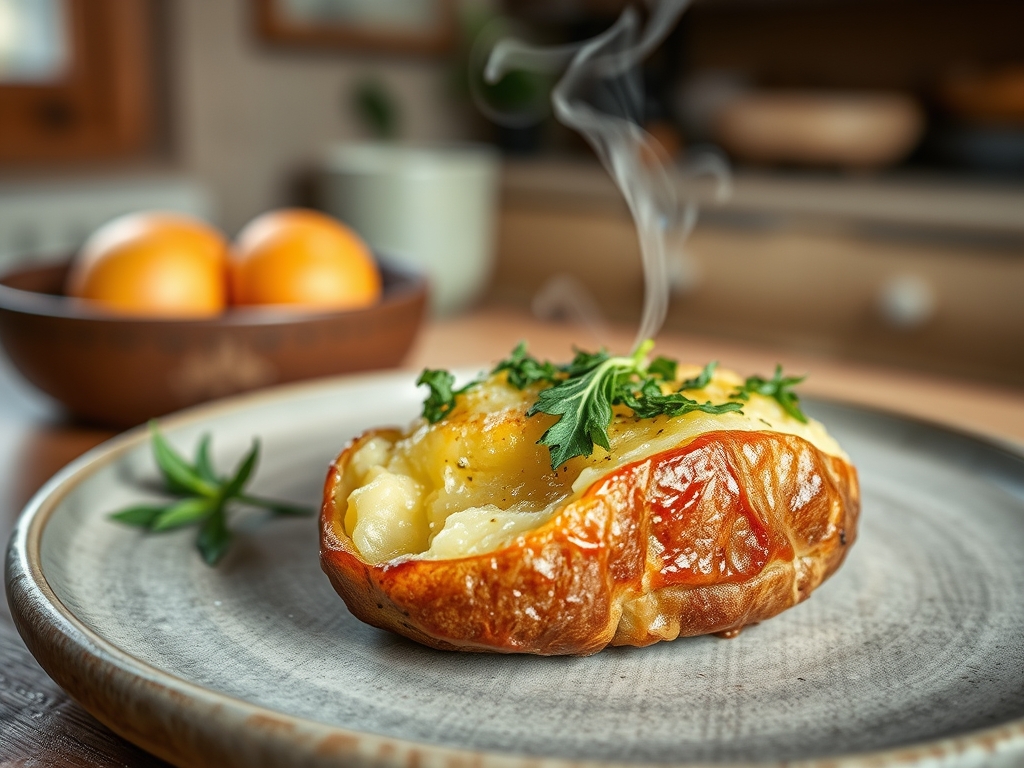
Picture the sound of a knife blade piercing a crust so brittle it shatters like parchment. Inside, a cloud of steam escapes; carrying the earthy, mineral scent of a perfectly roasted tuber. When you master jacket potato recipes, you are not just making dinner; you are conducting a masterclass in texture and heat management. It is the ultimate canvas for culinary creativity.
The secret to a world-class jacket potato lies in the contrast between the dehydrated, salted skin and the fluffy, aerated interior. Most people treat the potato as an afterthought, but we are going to treat it like a premium protein. By understanding how starch granules swell and burst, we can transform a humble Russet into a gourmet vessel. Whether you are craving something piquant and spicy or rich and viscous, these eight variations will redefine your weeknight rotation. We are moving beyond basic butter and salt into a realm where the potato is the star of the show.
The Gathers:
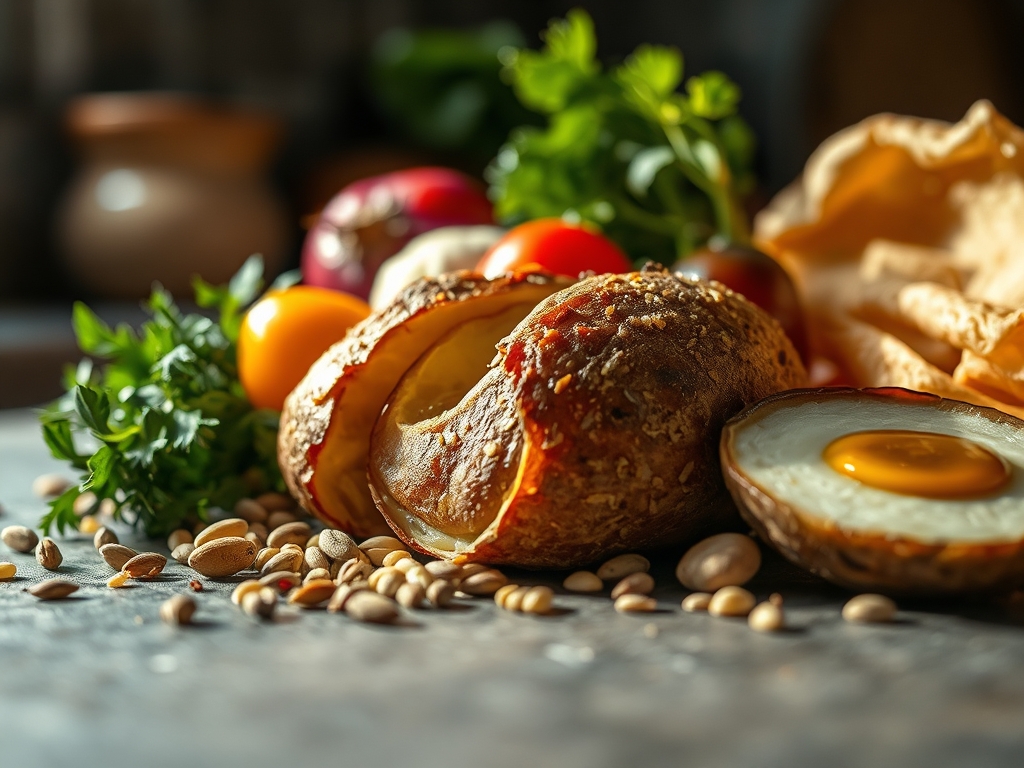
To execute these jacket potato recipes, your mise-en-place must be precise. Start with large Russet or King Edward potatoes. These varieties are high in starch and low in moisture, which is essential for that signature "fluff." You will need high-quality fats: unsalted European butter for its lower water content and a high-smoke-point oil like avocado or refined olive oil for the exterior.
Your pantry should be stocked with textural enhancers. Think flaky Maldon salt for topical seasoning and fine sea salt for the initial rub. For the fillings, gather sharp cheddars, full-fat Greek yogurt (a brilliant sub for sour cream), and fresh aromatics like chives or micro-greens.
Smart Substitutions: If you are avoiding nightshades, large sweet potatoes offer a higher sugar content that caramelizes beautifully. For a dairy-free richness, use a high-quality tahini or an emulsified cashew cream. If you lack a specific herb, remember that dried spices need to be bloomed in fat to release their fat-soluble flavor compounds.
The Clock:
Efficiency in the kitchen is about "Chef's Flow." Total time for a perfect jacket potato is roughly 75 minutes. This includes 5 minutes of prep, 60 to 70 minutes of roasting, and a 5-minute rest.
The flow works like this: Preheat your oven immediately. While the oven reaches 400 degrees Fahrenheit, scrub and dry your potatoes. Once they are in the heat, you have a 60-minute window to prepare your eight distinct toppings. Use your digital scale to portion out proteins and your microplane to zest citrus or grate hard cheeses. This ensures that the moment the potatoes emerge with their internal temperature hitting 210 degrees Fahrenheit, your fillings are ready to be assembled.
The Masterclass:
1. The Surface Prep
Scrub the skins vigorously to remove debris. Dry them obsessively with a lint-free towel. Use a fork to prick the skin about six times; this creates "exhaust vents" for internal steam.
Pro Tip: Pricking the skin prevents the potato from exploding due to internal pressure. It also allows the starch granules to expand without being compressed by the skin, ensuring a lighter crumb.
2. The Osmotic Rub
Coat the skin in a thin layer of oil and a generous amount of fine sea salt. Place them directly on the oven rack rather than a baking sheet to allow 360-degree airflow.
Pro Tip: Salt facilitates osmosis, drawing moisture out of the skin. This dehydration is what allows the skin to become crisp and undergo the Maillard reaction, creating those complex, toasted flavors.
3. The Temperature Spike
Roast at 400 degrees Fahrenheit. If you use a lower temperature, the skin will become leathery rather than crisp. Check for doneness by squeezing the sides with tongs; it should yield easily.
Pro Tip: Aim for an internal temperature of 205 to 212 degrees Fahrenheit. This is the "sweet spot" where the starch molecules have fully gelatinized, creating the fluffiest possible texture.
4. The Cross-Cut Release
As soon as they leave the oven, use a sharp paring knife to cut a deep cross in the top. Use a clean towel to squeeze the base, forcing the white flesh upward and outward.
Pro Tip: This immediate release of steam prevents the potato from "sweating" inside the skin. If the steam stays trapped, it will re-hydrate the starch and turn your fluffy potato into a gummy mass.
5. The Aeration Fold
Use a fork to gently fluff the interior before adding any fats. Add a knob of cold butter and a pinch of salt, folding it in gently rather than mashing it.
Pro Tip: Folding in fat while the potato is at its peak temperature creates a temporary emulsion. This coats the individual starch granules, preventing them from sticking together.
6. The Eight Flavor Profiles
Now, apply your curated toppings.
- The Classic: Sharp cheddar, crispy bacon bits, and chives.
- The Mediterranean: Hummus, kalamata olives, and sun-dried tomatoes.
- The Tex-Mex: Black beans, corn salsa, and avocado.
- The Truffle: Truffle oil, parmesan, and cracked black pepper.
- The Buffalo: Shredded chicken, hot sauce, and blue cheese crumbles.
- The Pesto: Basil pesto, toasted pine nuts, and fresh mozzarella.
- The Smoked Salmon: Lox, capers, and a dollop of creme fraiche.
- The Chili: Hearty beef or lentil chili with a squeeze of lime.
Pro Tip: When adding cold toppings like salmon or avocado, ensure the potato base is piping hot to create a temperature contrast that stimulates the palate.
The Deep Dive:
Macro Nutrition
A medium potato provides roughly 160 calories, 4 grams of protein, and a significant dose of Vitamin C and Potassium. By choosing toppings like Greek yogurt instead of sour cream, you increase the protein-to-fat ratio. The skin contains the majority of the fiber, so eating the "jacket" is nutritionally mandatory.
Dietary Swaps
- Vegan: Swap butter for extra virgin olive oil or an avocado-based spread. Use nutritional yeast for a cheesy umami hit.
- Keto: While potatoes are high-carb, you can apply these same techniques to a roasted head of cauliflower or a large zucchini boat.
- Gluten-Free: Potatoes are naturally GF, making this the perfect "safe" meal for celiac guests.
The Fix-It: Common Pitfalls
- Soggy Skin: This happens if you wrap the potato in foil. Foil traps steam. Always bake "naked" for maximum crunch.
- Gummy Interior: This is caused by over-mixing or using a low-starch potato like a Red Bliss. Stick to Russets and use a light hand.
- Under-seasoned Flesh: Don't just season the top. Use a saucy spoon to push salt and butter deep into the crevices of the potato.
Meal Prep and Reheating
To reheat a leftover jacket potato, avoid the microwave. The microwave excites water molecules, making the skin rubbery. Instead, use an air fryer or oven at 350 degrees Fahrenheit. This re-dehydrates the skin and restores the "day-one" crunch through thermal carryover.
The Wrap-Up:
Mastering jacket potato recipes is about respecting the chemistry of the starch. When you treat the skin with salt and the interior with air, you create a vessel that is far greater than the sum of its parts. These eight ideas are just the beginning; once you understand the physics of the perfect bake, every ingredient in your fridge becomes a potential topping. So, grab your tongs, fire up the oven, and turn a simple root vegetable into a culinary event.
The Kitchen Table:
Which potato is best for a jacket potato?
High-starch varieties like Russet or King Edward are superior. Their low moisture content allows the interior to become light and floury when baked, while the thick skin crisps up perfectly under high heat.
Should I wrap my potato in foil?
Never wrap your potato in foil if you want crispy skin. Foil traps the escaping steam, which boils the skin rather than roasting it. This results in a soggy, wet texture rather than a shattered, salty crust.
How do I get the fluffiest interior?
The secret is immediate aeration. As soon as the potato is done, cut it open and fluff the flesh with a fork. This releases trapped steam, preventing the starch from becoming dense and gummy as it cools.
Can I make these in an air fryer?
Yes, the air fryer is excellent for jacket potatoes. The high-velocity air circulation mimics a professional convection oven, leading to an incredibly crispy exterior in about 40 to 45 minutes at 400 degrees Fahrenheit.