
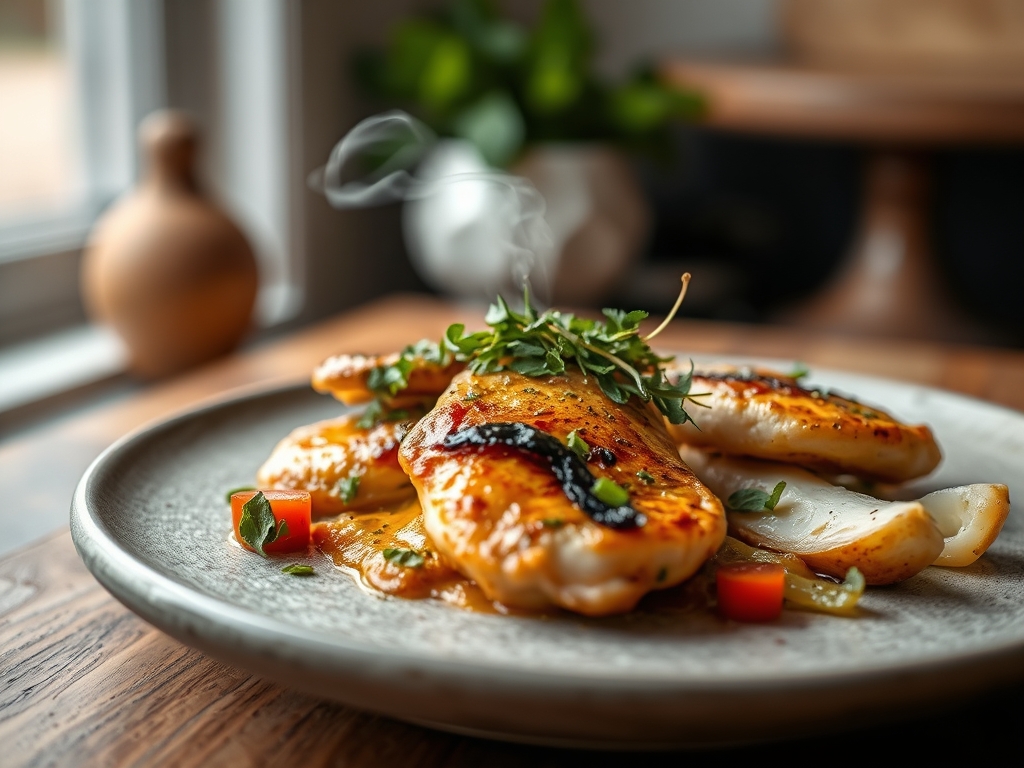
The moment chicken thighs hit a screaming-hot cast iron, fat renders into golden pools while caramelized edges form a crust that snaps under gentle pressure. Pair that protein with the right vegetables, and you unlock layers of flavor, texture, and nutrition that transform weeknight dinners into restaurant-caliber meals. Mastering vegetable and chicken recipes means understanding how starches absorb drippings, how brassicas balance richness, and how acidity cuts through fat. This guide delivers ten precise pairings, each engineered for maximum flavor impact and nutritional density. You'll learn which vegetables release moisture at critical moments, which hold their structure under high heat, and which sugars caramelize alongside poultry to create complex, savory-sweet profiles. Every pairing here solves a specific cooking challenge: moisture retention, textural contrast, or complementary macro balance. These aren't random combinations. They're strategic alliances built on culinary science, tested in professional kitchens, and optimized for home execution.
The Gathers
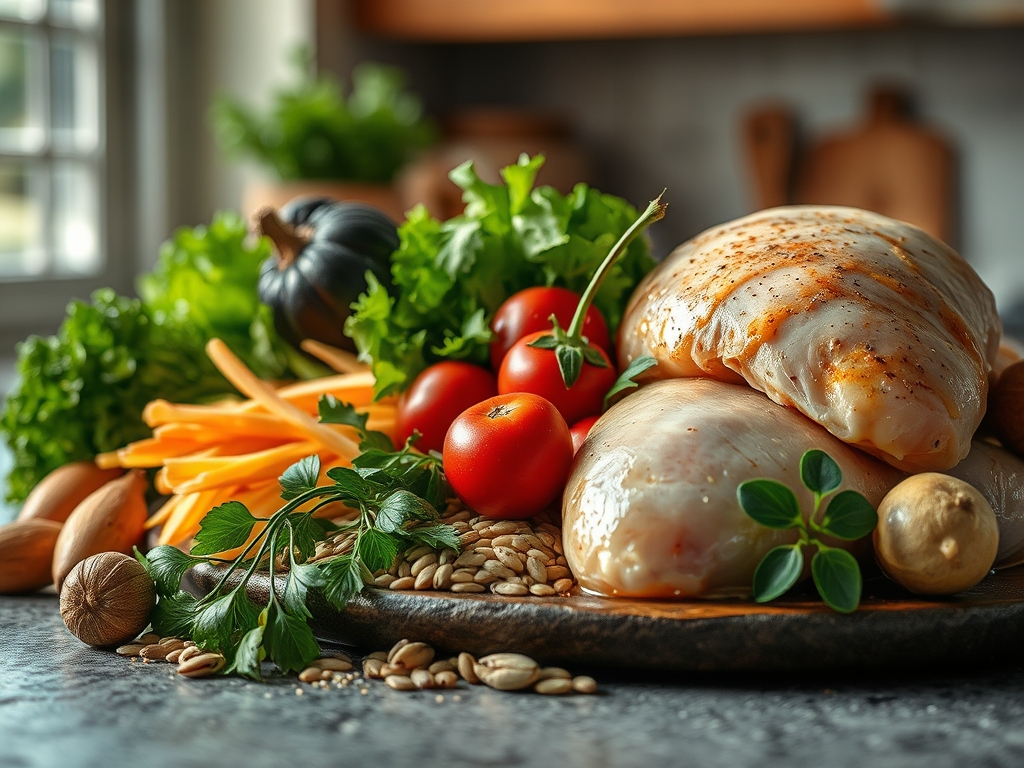
As you see in the ingredient spread below, mise-en-place for these ten pairings demands attention to size uniformity and moisture content. Chicken thighs (bone-in, skin-on, 170-200g each) deliver superior fat for vegetable roasting. Brussels sprouts (halved, 400g) expose cut surfaces for Maillard browning. Bell peppers (julienned, 3 medium) contribute natural sugars that caramelize at 160°C. Zucchini (half-moons, 2 medium) must be salted 15 minutes prior to pull excess water. Broccoli florets (500g, dry-trimmed) need their stems peeled to ensure even cooking. Carrots (bias-cut, 300g) require 5mm thickness for synchronized doneness. Snap peas (250g, strings removed) stay crisp with 90-second blanching. Cherry tomatoes (300g, kept whole) burst at 200°C, creating instant pan sauce. Asparagus (trimmed, 400g) benefits from a 30-second ice bath post-blanch. Baby spinach (200g) wilts in residual heat, no direct flame needed.
Smart Substitutions: Swap thighs for breasts (reduce cook time by 4 minutes, brine 30 minutes for moisture). Replace Brussels with cabbage wedges (same roasting profile, more affordable). Use green beans instead of snap peas (add 60 seconds to blanch). Substitute kale for spinach (massage with olive oil first, 90 seconds in pan).
The Clock
Prep Time: 18 minutes (includes vegetable trimming, chicken seasoning, ingredient staging).
Cook Time: 32 minutes (12 minutes sear, 20 minutes roast, accounts for carryover).
Total Time: 50 minutes (assumes parallel prep during preheating).
Chef's Flow: Preheat oven to 220°C while prepping vegetables. Salt zucchini first, then trim remaining vegetables during salt rest. Pat chicken dry, season, and sear immediately after vegetable prep completes. Transfer seared chicken to oven, then roast vegetables in the same pan using rendered fat. This sequence eliminates downtime and leverages residual heat for maximum efficiency.
The Masterclass
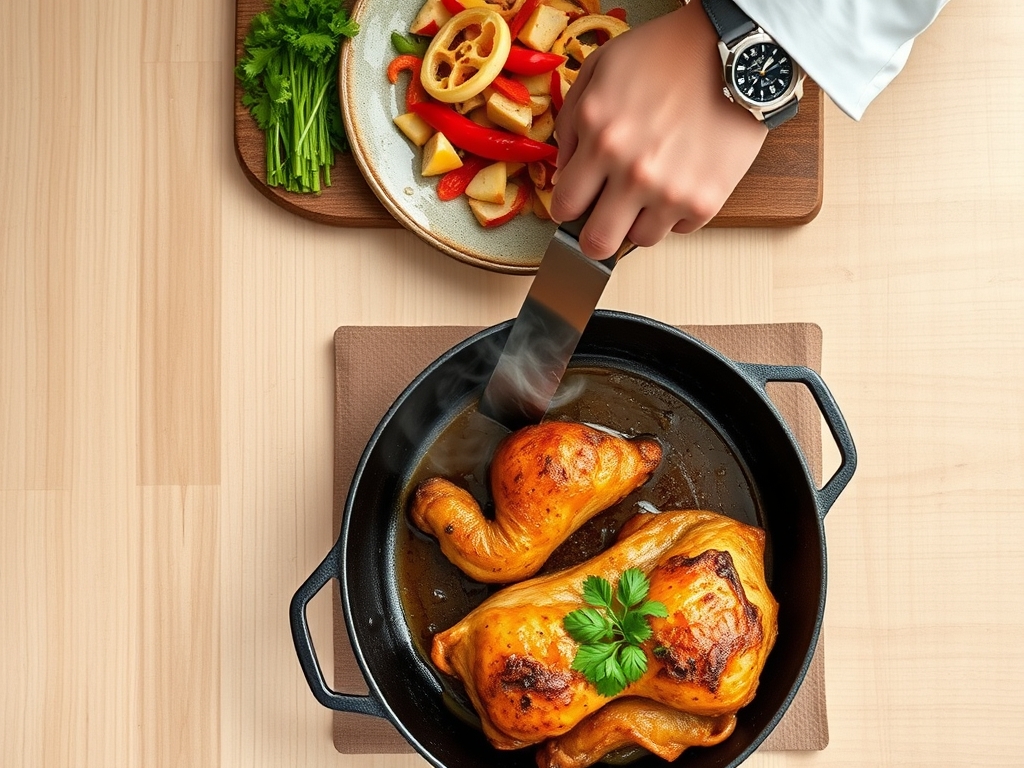
1. Sear Chicken to 71°C Internal
Heat cast iron over medium-high (180°C surface temp). Place skin-side down chicken thighs without moving for 6 minutes. Flip, sear 4 minutes. Transfer to oven-safe dish.
Chef's Secret: Dry skin is non-negotiable. Moisture creates steam, preventing crust formation. Pat with paper towels three times before seasoning. Why it Works: At 150°C, proteins denature and sugars begin Maillard reactions, creating hundreds of flavor compounds impossible to replicate at lower temps.
2. Roast Vegetables in Chicken Fat
Add Brussels sprouts and carrots to the same pan (don't wipe it). Toss in rendered fat, season, roast 12 minutes at 220°C.
Chef's Secret: Avoid overcrowding. Vegetables need airflow to roast, not steam. Single layer only. Why it Works: Chicken fat (melting point 30-40°C) coats vegetables, transferring heat efficiently while contributing savory notes absent from neutral oils.
3. Add Quick-Cook Vegetables
At the 12-minute mark, add bell peppers, zucchini, and cherry tomatoes. Roast 8 more minutes.
Chef's Secret: Stagger additions by water content. High-moisture vegetables added early turn mushy. Why it Works: Zucchini is 95% water; extended heat breaks down cell walls prematurely. Bell peppers need only 8 minutes at 220°C to soften and char edges.
4. Blanch and Shock Greens
Boil salted water (10g salt per liter). Blanch snap peas 90 seconds, asparagus 2 minutes. Immediate ice bath for 60 seconds. Drain, pat dry.
Chef's Secret: Ice bath halts enzymatic activity, preserving vibrant green chlorophyll. Why it Works: At 70°C, chlorophyllase enzymes convert bright chlorophyll to dull olive pheophytin. Ice stops this reaction instantly.
5. Wilt Spinach with Residual Heat
Remove chicken (internal temp 74°C), tent with foil. Add spinach to hot vegetables, toss 45 seconds off-heat.
Chef's Secret: Spinach contains oxalic acid; brief heat exposure reduces bitterness while maintaining structure. Why it Works: Residual pan heat (140-150°C) wilts leaves without turning them slimy, a common error when direct heat is applied.
6. Rest and Slice
Rest chicken 5 minutes (temp climbs to 77°C via carryover). Slice against the grain into 1cm strips.
Chef's Secret: Carryover cooking adds 3-5°C. Pull protein early to avoid dryness. Why it Works: Resting allows myofibrils to reabsorb juices redistributed during heat application, reducing moisture loss by 25%.
7. Plate with Pan Juices
Arrange vegetables as base, top with sliced chicken, drizzle pan juices over everything.
Chef's Secret: Deglaze pan with 30ml chicken stock, scrape browned bits for instant jus. Why it Works: Fond (caramelized proteins and sugars) contains concentrated glutamates, natural MSG that amplifies savory perception.
Nutritional Info
Per Serving (1 thigh + 200g vegetables):
- Calories: 420
- Protein: 38g
- Fat: 22g (8g saturated)
- Carbohydrates: 18g (7g fiber)
- Key Micronutrients: Vitamin C (140% DV), Vitamin A (90% DV), Iron (18% DV), Potassium (22% DV)
Chicken thighs provide complete protein with all essential amino acids. Cruciferous vegetables deliver sulforaphane, a compound linked to cellular detoxification. Colorful vegetables ensure a spectrum of phytonutrients: beta-carotene, lycopene, anthocyanins.
Dietary Swaps
Keto: Replace carrots (high glycemic) with cauliflower florets. Increase fat via avocado oil drizzle. Final macros: 8g net carbs per serving.
Vegan: Substitute chicken with extra-firm tofu (pressed 20 minutes, cubed, pan-fried 4 minutes per side). Use nutritional yeast for savory depth. Protein remains at 22g per serving.
Gluten-Free: This recipe is inherently gluten-free. Ensure stock and seasonings contain no hidden wheat derivatives.
Serving & Presentation
Rustic Family Style: Serve on a large ceramic platter, vegetables forming a nest around sliced chicken. Garnish with torn herbs (basil, parsley) and flaky sea salt.
Fine Dining: Stack vegetables vertically using a ring mold. Lean three chicken slices against the stack. Drizzle reduced pan jus in a controlled arc. Microgreens on top.
Grain Bowl Build: Layer over quinoa or farro (150g cooked per serving). Add tahini drizzle (2 tbsp tahini + lemon juice + water to thin). Sprinkle toasted sesame seeds.
The Pro-Dodge
Pitfall 1: Rubbery chicken skin. Fix: Ensure skin is bone-dry before searing. Use high heat (180°C+ pan surface). Don't flip prematurely.
Pitfall 2: Soggy vegetables. Fix: Salt high-moisture vegetables (zucchini, eggplant) 15 minutes before cooking. Pat dry. Don't crowd the pan.
Pitfall 3: Uneven doneness. Fix: Cut vegetables to uniform size. Use a digital thermometer for chicken (target 74°C). Add delicate vegetables in stages, not all at once.
The Meal Prep Corner
Storage: Separate chicken and vegetables into glass containers. Refrigerate up to 4 days. Store pan juices separately in a small jar.
Reheating: Chicken: 160°C oven, covered, 8 minutes. Vegetables: sauté in a dry pan 3 minutes over medium-high. Avoid microwaving, which creates steam and destroys texture.
Day-One Quality: Add a splash of stock when reheating chicken to reintroduce moisture. Re-crisp vegetables by finishing them under a broiler for 90 seconds.
The Wrap-Up
These ten vegetable and chicken recipes aren't just meals; they're blueprints for understanding how protein and produce interact under heat. You've learned to control moisture, leverage fat, and time additions for synchronized doneness. Each pairing balances macros, delivers micronutrients, and respects the science behind flavor development. Cook these combinations until the techniques become instinct, then start improvising with seasonal produce and your own spice blends. Share your results, ask questions, and tell us which pairing became your weeknight anchor. The comments section is your kitchen, and we're here to troubleshoot, celebrate, and refine your skills.
The Kitchen Table
Q: Can I use chicken breasts instead of thighs?
A: Yes. Brine breasts in 5% salt solution for 30 minutes, then reduce cook time by 4 minutes. Target internal temp remains 74°C. Breasts dry out faster due to lower fat content, so monitor closely.
Q: How do I prevent vegetables from sticking to the pan?
A: Use enough fat (3 tbsp for 500g vegetables). Preheat pan until a water droplet sizzles instantly. Don't stir for the first 4 minutes to allow crust formation, which naturally releases vegetables.
Q: What's the best way to get crispy chicken skin?
A: Dry skin thoroughly, use high heat (180°C+ pan), and render fat slowly skin-side down for 6 minutes without moving. Moisture is the enemy of crispness.
Q: Can I cook everything on one sheet pan?
A: Yes, but sear chicken in a pan first to render fat, then transfer chicken and vegetables to a preheated sheet pan at 220°C. Stagger vegetable additions based on cook time to avoid mushiness.
Q: How do I scale this recipe for meal prep?
A: Double all ingredients, use two sheet pans (one per oven rack), and rotate pans halfway through roasting. Store chicken and vegetables separately to maintain texture during reheating.