
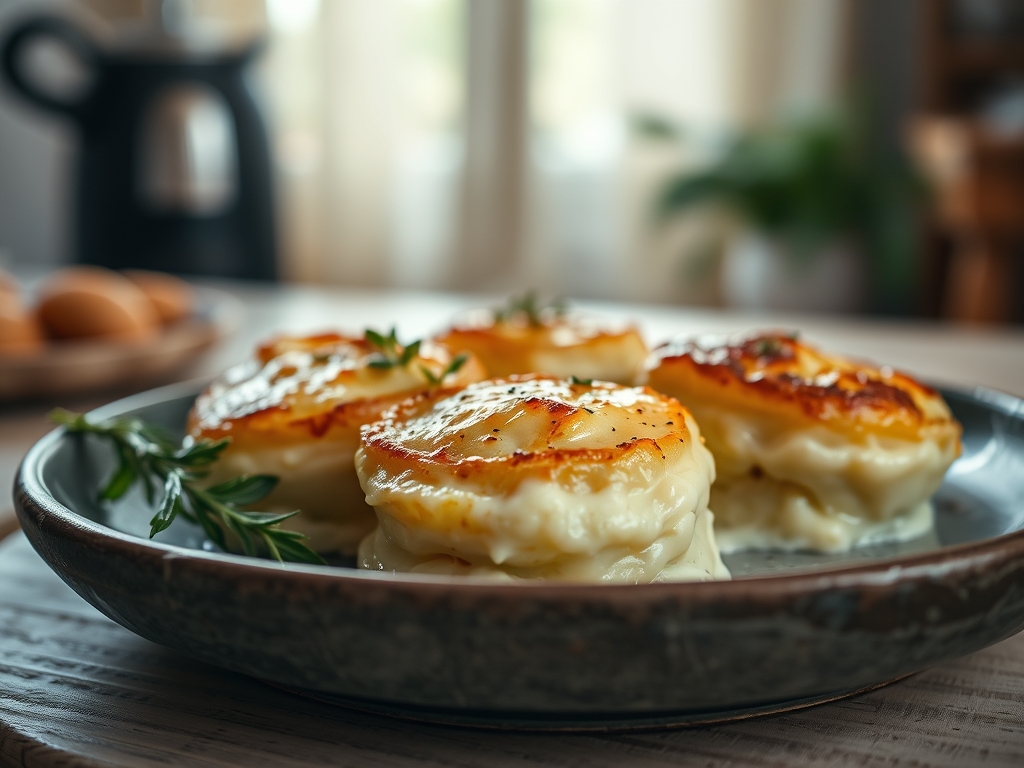
Imagine the sound of a heavy ceramic dish sliding across a marble countertop; it is the rhythmic clinking of a silver spoon breaking through a golden, bubbling crust. We are talking about the ultimate comfort architecture. When you master scalloped potato recipes with cream, you are not just cooking; you are engineering a structural masterpiece of starch and lipids. The scent of nutmeg and garlic should be heavy enough to hang in the air like a velvet curtain. Most people settle for watery, grey spuds that lack soul. Not us. We are aiming for a viscous, velvet sauce that clings to every translucent slice. This is about the alchemy of the oven; it is about transforming the humble tuber into a decadent, ivory stack of pure luxury. Grab your favorite apron and a glass of wine. We are about to dive deep into the molecular magic that makes a side dish the undisputed star of the dinner party.
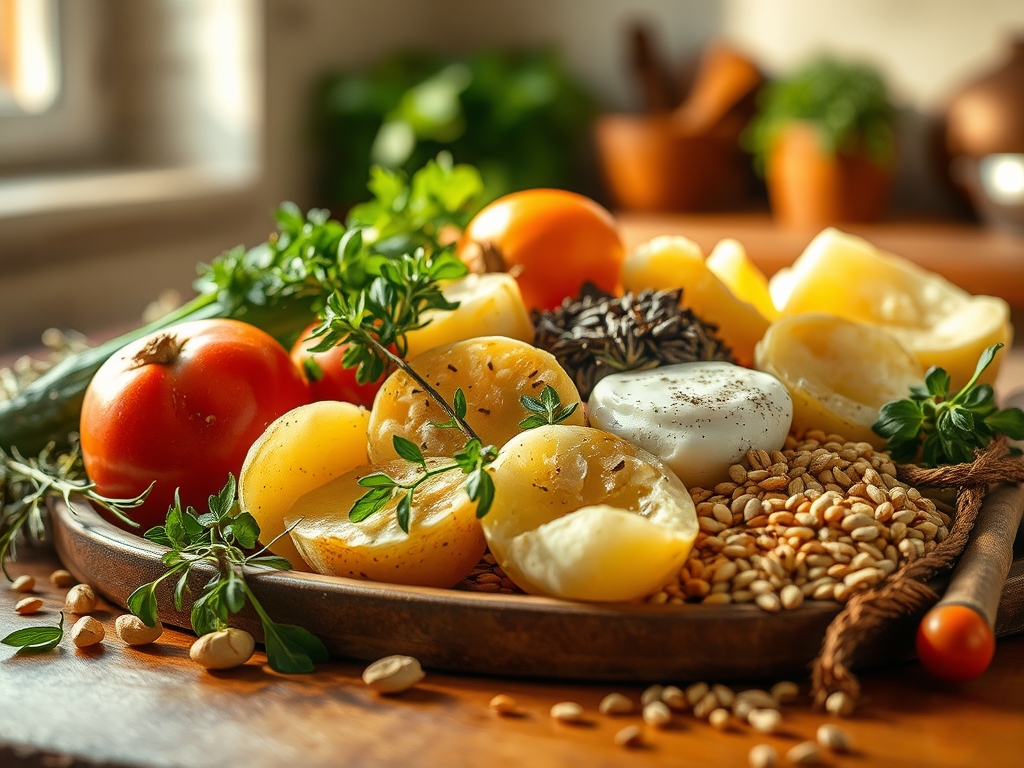
The Gathers:
To achieve a professional result, your mise-en-place must be precise. Start with high-starch potatoes like Russets or Yukon Golds. Russets provide the necessary amylose to thicken your sauce naturally, while Yukons offer a buttery, waxy resilience. You will need heavy cream with at least 36 percent milkfat; this prevents the sauce from "breaking" or curdling under high heat.
For the aromatics, gather fresh thyme sprigs, whole garlic cloves, and a whole nutmeg seed. Using a microplane to grate fresh nutmeg is non-negotiable; the volatile oils in pre-ground spices dissipate too quickly to provide that piquant back-note we crave. You will also need high-quality unsalted butter and a block of Gruyere or sharp white cheddar.
Smart Substitutions: If you are looking to lighten the profile without losing the soul of the dish, you can swap half of the heavy cream for whole milk infused with a tablespoon of cornstarch. For a dairy-free alternative, full-fat coconut milk provides the necessary viscosity, though you must increase the garlic and onion powder to mask the tropical notes. If you lack a mandoline, ensure your chef knife is razor-sharp to maintain a consistent three-millimeter thickness across all slices.
The Clock
Efficiency in the kitchen is about "Chef's Flow." Expect to spend 25 minutes on active prep. This includes the mechanical slicing of the potatoes and the infusion of your cream. The bake time is the long game; it requires 60 to 75 minutes at 350 degrees Fahrenheit. Finally, you must factor in a 15-minute "rest" period.
The flow works like this: while your oven preheats, you infuse your cream. While the cream cools slightly, you slice your potatoes directly into a bowl of cold water to prevent enzymatic browning. This staggered approach ensures that by the time your saucier is ready, your potatoes are prepped and dried. Never rush the rest period; this is when the starch granules fully hydrate and the sauce sets.
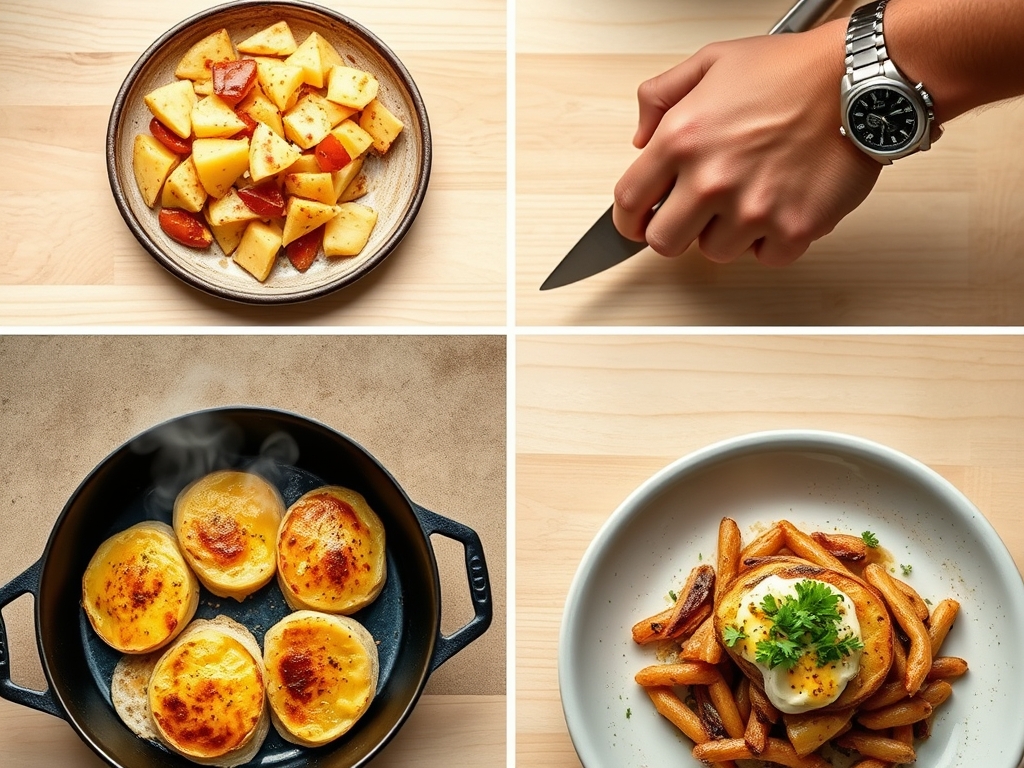
1. The Precision Slice
Using a mandoline set to one-eighth of an inch, slice your peeled potatoes into uniform rounds. Uniformity is the secret to even cooking; a single thick slice in a sea of thin ones will remain crunchy and ruin the mouthfeel.
Pro Tip: Slicing potatoes triggers a cellular release of starch. By soaking them briefly and then patting them dry with a lint-free towel, you control the starch-to-liquid ratio, preventing the sauce from becoming a gummy paste.
2. The Cream Infusion
In a heavy-bottomed skillet or saucier, combine your cream, smashed garlic, and thyme. Heat this over medium-low until it barely simmers. Do not let it boil vigorously, as this can destabilize the fat globules.
Pro Tip: This is called "steeping." The heat coaxes essential oils out of the aromatics and into the fat of the cream. This ensures every bite of the potato has a deep, systemic flavor rather than just surface-level seasoning.
3. The Structural Layering
Butter your baking dish generously. Arrange the potato slices in overlapping rows, like shingles on a roof. Season every single layer with kosher salt and freshly cracked black pepper.
Pro Tip: Salt draws out moisture via osmosis. By salting every layer, you ensure the potatoes release their internal water early in the bake, allowing it to evaporate and be replaced by the savory cream.
4. The Liquid Pour
Strain your infused cream through a fine-mesh sieve directly over the potatoes. Use a silicone spatula to gently press down on the stacks, ensuring the liquid penetrates every crevice and eliminates air pockets.
Pro Tip: Air pockets act as insulators and can cause uneven "hot spots" in your dish. Eliminating them ensures conductive heat transfer, which leads to a perfectly uniform texture.
5. The Initial Braise
Cover the dish tightly with foil. Bake for 45 minutes. This stage is essentially a steam-braise, softening the cellulose in the potatoes without browning the top too early.
Pro Tip: Keeping the moisture trapped prevents the top layer of potatoes from dehydrating and becoming leathery before the center is tender.
6. The Maillard Finish
Remove the foil and scatter your grated cheese across the top. Return the dish to the oven for another 20 minutes, or until the top is deep mahogany and bubbling.
Pro Tip: This stage triggers the Maillard reaction, a chemical reaction between amino acids and reducing sugars that creates that distinctive "toasty" flavor profile and golden-brown color.
7. The Thermal Rest
Remove the dish from the oven and place it on a wire rack. Let it sit undisturbed for at least 15 minutes before serving.
Pro Tip: This allows for thermal carryover. The internal temperature will continue to rise slightly, finishing the cook, while the cooling sauce undergoes "retrogradation," thickening into a sliceable consistency.
8. The Final Garnish
Just before serving, use a microplane to zest a hint of fresh lemon or sprinkle micro-greens over the top to provide a bright acid contrast to the heavy fats.
Pro Tip: Acid cuts through the richness of the lipids, cleansing the palate and making the second bite feel as impactful as the first.
The Deep Dive
From a macro perspective, this dish is a powerhouse of carbohydrates and fats. A standard serving contains roughly 350 calories, with a significant dose of potassium from the potatoes. For those with dietary restrictions, the "Fix-It" guide is essential.
Dietary Swaps: To make this Keto-friendly, swap the potatoes for sliced cauliflower or daikon radish. For a Vegan version, use a cashew-based cream and nutritional yeast for that "cheesy" umami. Gluten-free followers are in luck; as long as you do not use a flour-based roux, this dish is naturally GF.
The Fix-It:
- Curdled Sauce: This usually happens if you use low-fat milk or add too much acid too early. Fix it by whisking in a splash of warm heavy cream before the sauce fully sets.
- Crunchy Potatoes: If the center is still hard, your slices were too thick or your oven temperature was uneven. Cover with foil, add a splash of broth, and bake for an extra 15 minutes.
- Greasy Top: This occurs when the cheese breaks. Use a paper towel to gently blot excess oil, then sprinkle a fine layer of breadcrumbs to absorb the remaining fat.
Meal Prep: To reheat, avoid the microwave. The uneven waves will cause the cream to separate. Instead, use an oven at 300 degrees Fahrenheit, adding a tablespoon of milk to the dish to re-hydrate the starches.
The Wrap-Up
Mastering scalloped potato recipes with cream is a rite of passage for any serious home cook. It is a lesson in patience, temperature control, and the beautiful chemistry of dairy. When you pull that bubbling, golden tray out of the oven, you are presenting more than just a side dish; you are offering a warm, decadent hug in a ceramic bowl. Remember to trust the process, embrace the heavy cream, and always, always let it rest. Your dinner guests will thank you, and your kitchen will smell like a five-star bistro.
The Kitchen Table
Which potato is best for scalloped recipes?
Russets are ideal for their high starch content, which thickens the cream into a velvety sauce. Yukon Golds are a great secondary choice for their buttery flavor and ability to hold their shape during the long baking process.
Can I make scalloped potatoes ahead of time?
Yes. You can bake the dish halfway, cool it rapidly, and refrigerate. When ready to serve, finish the baking process. This actually allows the flavors to meld more deeply, though you may need to add a splash of extra cream.
Why did my cream sauce turn watery?
This usually happens if the potatoes weren't dried properly after slicing or if low-fat dairy was used. High-fat heavy cream is essential because it remains stable at high temperatures, whereas milk or half-and-half can easily break and separate.
How do I prevent the top from burning?
Start the baking process with a tight foil cover. This steams the potatoes until tender. Only remove the foil during the last twenty minutes of cooking to allow the cheese to melt and the Maillard reaction to create a golden crust.
What is the difference between Au Gratin and Scalloped?
Traditionally, scalloped potatoes are cooked in a simple cream sauce with aromatics. Au Gratin potatoes include layers of cheese and often a breadcrumb topping. Modern recipes, like this one, often combine both techniques for maximum flavor and texture.