
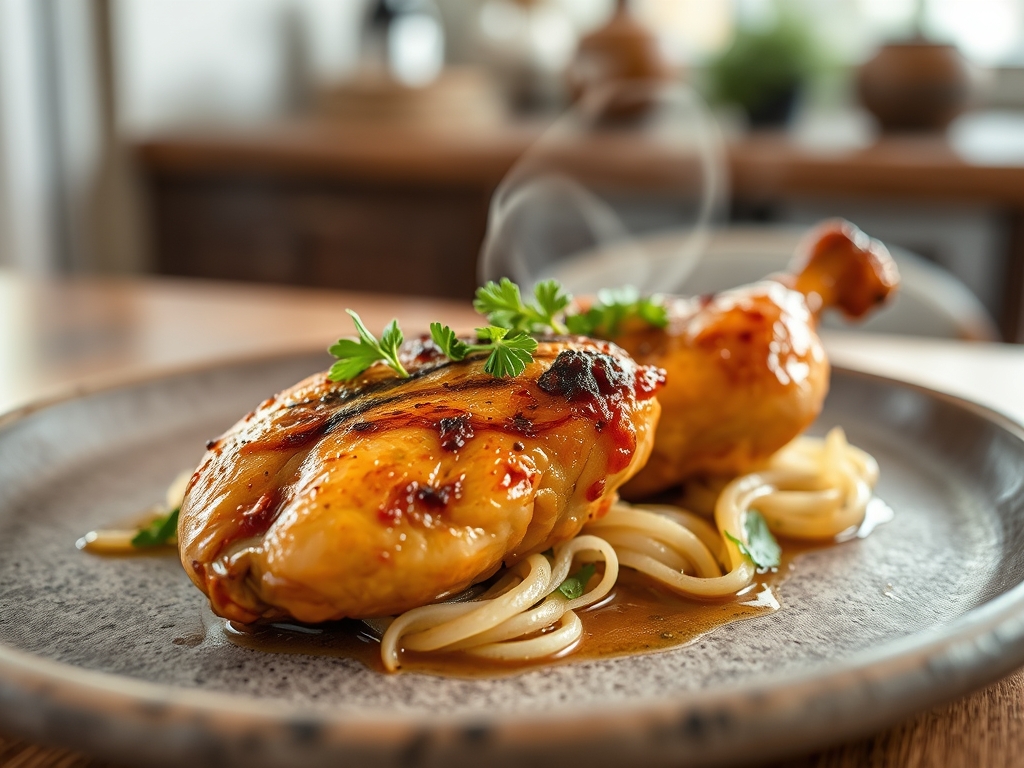
The first crack of chicken skin against a hot grill grate is where chemistry meets instinct. That sear, the way proteins tighten and caramelize into golden lattice marks, separates backyard guesswork from legitimate technique. Great chicken recipes for the grill depend less on secret ingredients and more on mastering heat zones, brining science, and the discipline to rest your protein. Most home cooks rush the process, flipping obsessively while moisture evaporates into the coals. The best results come from understanding that chicken thighs and breasts demand entirely different strategies, that marinades need acid balance, and that a two-zone fire is non-negotiable. This guide strips away the folklore and gives you six techniques grounded in culinary mechanics, each one a cornerstone of professional grill work.
The Gathers
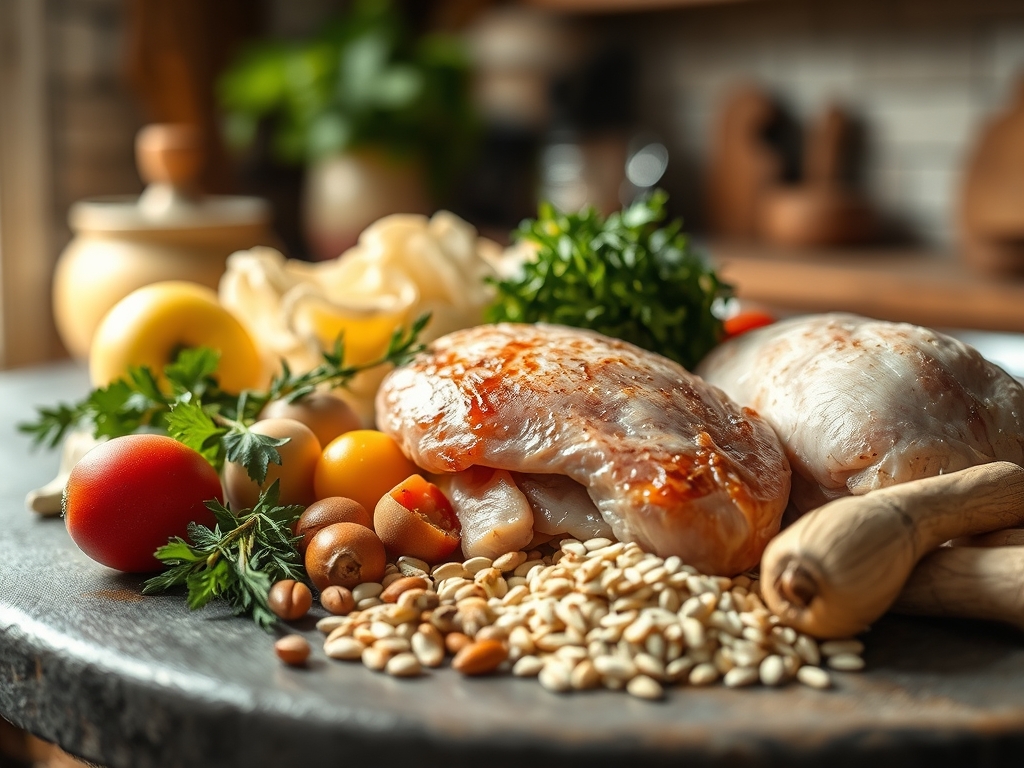
Start with bone-in, skin-on chicken thighs (1.5 kg total) for superior fat content and forgiveness on high heat. Their connective tissue breaks down beautifully between 75-80°C internal, unlike breasts which dry out past 65°C. As you see in the ingredient spread below, you'll need kosher salt (2 tablespoons), freshly cracked black pepper (1 tablespoon), smoked paprika (1 tablespoon), garlic powder (2 teaspoons), and olive oil (3 tablespoons) for the base rub.
Add lemon juice (60 ml, roughly two lemons), fresh thyme sprigs (6-8), and Dijon mustard (2 tablespoons) for a marinade that tenderizes without turning the exterior mealy. The mustard acts as an emulsifier, binding oil and acid while contributing enzymes that gently denature surface proteins.
Smart Substitutions: Swap thighs for drumsticks if you prefer gnawing off the bone. Replace smoked paprika with ancho chili powder for deeper sweetness. Use lime and cilantro instead of lemon and thyme for a Southeast Asian pivot. If you're avoiding nightshades, turmeric and coriander seed offer warmth without the capsaicin family.
The Clock
Prep Time: 15 minutes (dry rub application, marinade mixing)
Marinating Window: 2-4 hours (minimum 30 minutes if rushed)
Cook Time: 28-35 minutes (depends on grill temperature consistency)
Total Time: 3 hours, 20 minutes (including passive marination)
Chef's Flow: While the chicken marinates, prep your sides and clean the grill grates with a wire brush and oil-soaked paper towel held in tongs. Preheat your grill to establish a direct zone (260-290°C) and an indirect zone (160-180°C). This dual-zone setup is your safety net, letting you sear fast then finish gently without incinerating the exterior. Pull chicken from the fridge 20 minutes before grilling so it tempers to room temperature, ensuring even cooking from surface to bone.
The Masterclass
Step 1: Dry Brine and Rub
Pat chicken completely dry with paper towels. Moisture is the enemy of the Maillard reaction. Combine salt, pepper, paprika, and garlic powder, then massage aggressively into every crevice, getting under the skin wherever possible. Let sit uncovered in the refrigerator for 1-2 hours.
Why It Works: Salt denatures proteins on the surface, creating a sticky pellicle that crisps into mahogany bark. The dry environment dehydrates the skin, concentrating sugars and amino acids that brown intensely over flame.
Step 2: Build the Marinade
Whisk lemon juice, Dijon, olive oil, and stripped thyme leaves in a bowl until emulsified. The mixture should look creamy, not separated. Pour over chicken in a zip-top bag, massage again, and refrigerate for another 1-2 hours.
Chef's Secret: Mustard contains albumin and mucilage, both natural emulsifiers. This keeps fat and acid from splitting, coating the chicken in a unified layer that promotes even browning.
Step 3: Set Up Two-Zone Grilling
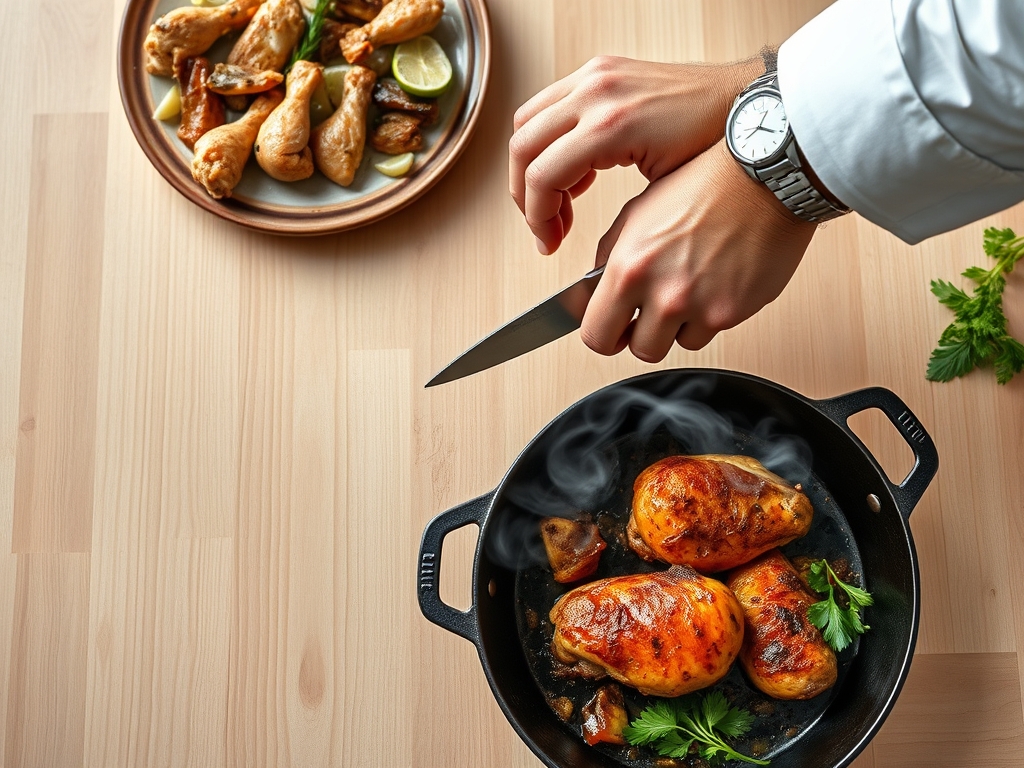
Bank all your coals or turn burners to high on one side only. Oil the grates when they're screaming hot using tongs and a wad of paper towel dipped in neutral oil. Note the texture shown in the step-by-step photos: the grates should shimmer.
Why It Works: Flare-ups happen when fat drips onto direct flame. Indirect zones let you dodge incineration while still finishing the cook with radiant heat.
Step 4: Sear Skin-Side Down
Place chicken skin-side down over the hottest part of the grill. Do not move it for 6-7 minutes. You'll hear aggressive sizzling. Resist the urge to peek.
Chef's Secret: Proteins bond to metal when first placed. Premature flipping tears the skin. Once the Maillard reaction progresses and a crust forms, the chicken releases naturally.
Step 5: Flip and Move to Indirect
Flip once, sear the flesh side for 3-4 minutes, then migrate everything to the cooler zone. Close the lid and let convection heat finish the job, 15-20 minutes, until a probe thermometer reads 75°C in the thickest part.
Why It Works: Gentle finishing prevents the rubbery texture that comes from sustained high heat. Collagen in thighs needs time at moderate temps to convert to gelatin, which reads as "juicy" on the palate.
Step 6: Rest and Glaze
Transfer to a platter, tent loosely with foil, and rest 8 minutes. Brush with reserved marinade (boiled for 2 minutes to kill surface bacteria) or a drizzle of good olive oil and flaky salt.
Chef's Secret: Resting allows redistributed juices to reabsorb into muscle fibers. Cutting immediately causes a flood of liquid onto the board, not into your mouth.
Nutritional Info
Per serving (approximately 200g cooked chicken thigh):
Calories: 320
Protein: 28g
Fat: 22g (saturated: 6g)
Carbohydrates: 2g
Fiber: 0g
Sodium: 680mg (varies with salt intensity)
Bone-in, skin-on thighs deliver monounsaturated fats and B vitamins (niacin, B6) essential for energy metabolism. The skin contributes collagen precursors, beneficial for joint and skin health when consumed in moderation.
Dietary Swaps
Keto/Low-Carb: Already compliant. Increase fat by basting with melted butter mixed with minced garlic during the indirect phase.
Paleo: Use coconut aminos in place of any soy-based condiments if you add a glaze.
Gluten-Free: Ensure mustard and spice blends contain no wheat-based fillers (check labels on pre-ground paprika).
Vegan Pivot: Substitute extra-firm tofu slabs, pressed for 30 minutes, marinated identically, and grilled over medium heat. It won't replicate chicken, but the char and marinade work beautifully.
Serving & Presentation
1. Rustic Family Style: Pile thighs on a wooden board over a bed of charred lemon halves and herb sprigs. Drizzle with pan juices and serve with grilled flatbreads.
2. Composed Plate: Slice thigh meat off the bone, fan over creamy polenta, garnish with microgreens and a squeeze of fresh lemon.
3. Grain Bowl: Shred the meat, toss with farro, roasted vegetables, and a tahini-lemon dressing. Top with toasted pine nuts and pomegranate arils for textural contrast.
The Pro-Dodge
Pitfall 1: Flare-Ups Burn the Skin
Fix: Keep a spray bottle of water nearby. A quick spritz tames flames without extinguishing coals. Better yet, trim excess fat before grilling.
Pitfall 2: Undercooked Near the Bone
Fix: Invest in an instant-read thermometer. Visual cues lie, especially with bone-in cuts. Aim for 75°C, not "looks done."
Pitfall 3: Dry, Chalky Meat
Fix: You overcooked it or skipped the brine. Thighs are forgiving, but even they turn to cardboard past 85°C. Use the two-zone method religiously.
The Meal Prep Corner
Storage: Cool completely, store in airtight containers for up to 4 days. Separate skin from meat if you plan to reheat, as skin rarely recrisps well.
Reheating: Use a 180°C oven for 10-12 minutes, skin-side up on a wire rack. Avoid microwaves, which steam the skin into rubber.
Freezing: Wrap individual thighs in plastic, then foil, and freeze up to 3 months. Thaw overnight in the fridge, then reheat as above. Day-one texture is impossible, but flavor holds strong.
The Wrap-Up
Great chicken recipes for the grill come down to heat control, proper seasoning, and patience. Master the two-zone setup, respect the thermometer, and give your protein time to rest. These six tips eliminate the guesswork, replacing it with repeatable, science-backed techniques that deliver crisp skin, juicy meat, and the kind of char that makes people reach for seconds. Fire up your grill, trust the process, and share your results. Tag your photos, post your questions, and let's build a community that cooks with confidence.
The Kitchen Table
Q: Can I use boneless, skinless chicken breasts instead?
A: Yes, but reduce cook time significantly. Breasts are lean and dry out past 65°C. Brine them for 1 hour in a 5% salt solution (50g salt per liter of water) to improve moisture retention. Grill over medium heat (200-220°C) for 6-7 minutes per side.
Q: How do I prevent sticking without a non-stick grill mat?
A: Clean grates thoroughly, preheat until smoking hot, then oil just before placing the chicken. The Leidenfrost effect (a vapor barrier between metal and protein) helps release. Patience is key: don't flip until it naturally lifts.
Q: What's the best wood for smoke flavor?
A: Applewood or cherry add mild sweetness without overpowering. Soak chips for 30 minutes, drain, and scatter over coals during the indirect phase. Avoid mesquite, which can turn bitter with chicken's shorter cook time.
Q: Can I marinate overnight?
A: Yes, but reduce acid (lemon juice) by half to prevent mushy texture. Enzymatic breakdown accelerates past 4 hours. For overnight, lean on oil, herbs, and spices, adding acid in the final hour before grilling.
Q: How do I get restaurant-quality grill marks?
A: Place chicken at a 45-degree angle to the grates for 3 minutes, then rotate 90 degrees (same side down) for another 3 minutes before flipping. Clean, hot grates and zero movement during searing are essential.