
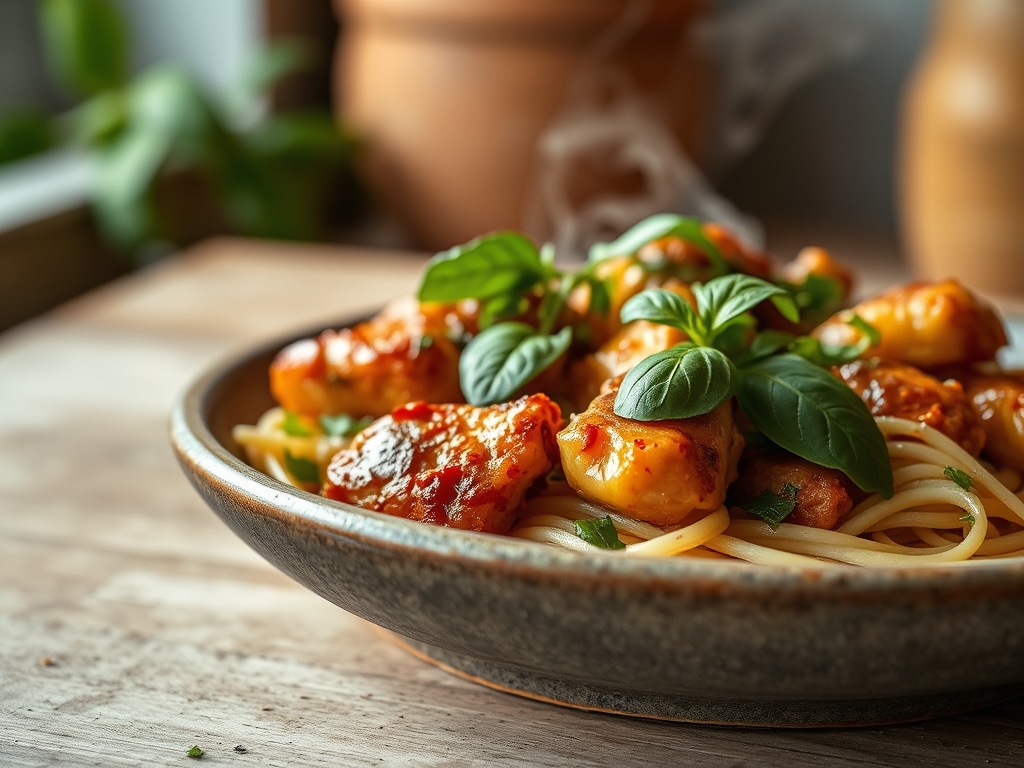
The first whiff of holy basil hitting scorching oil at 190°C is unmistakable: a sharp, almost minty heat that punches through the sweetness of caramelizing garlic and chilies. That single moment defines every great pad krapow gai, and mastering basil chicken recipes thai means understanding the split-second timing that separates fragrant stir-fry from a soggy mess. This isn't a forgiving dish; it demands high heat, fast hands, and ingredients prepped down to the millimeter.
Most home cooks stumble because they treat this as a casual weeknight throw-together. It's not. The wok must smoke, the chicken must be dry, and your holy basil must hit the pan in the final ten seconds or it turns black and bitter. We're walking through seven variations that honor the original while giving you room to adapt, whether you're chasing street-cart authenticity or need a weeknight version that still delivers that signature char.
The Gathers
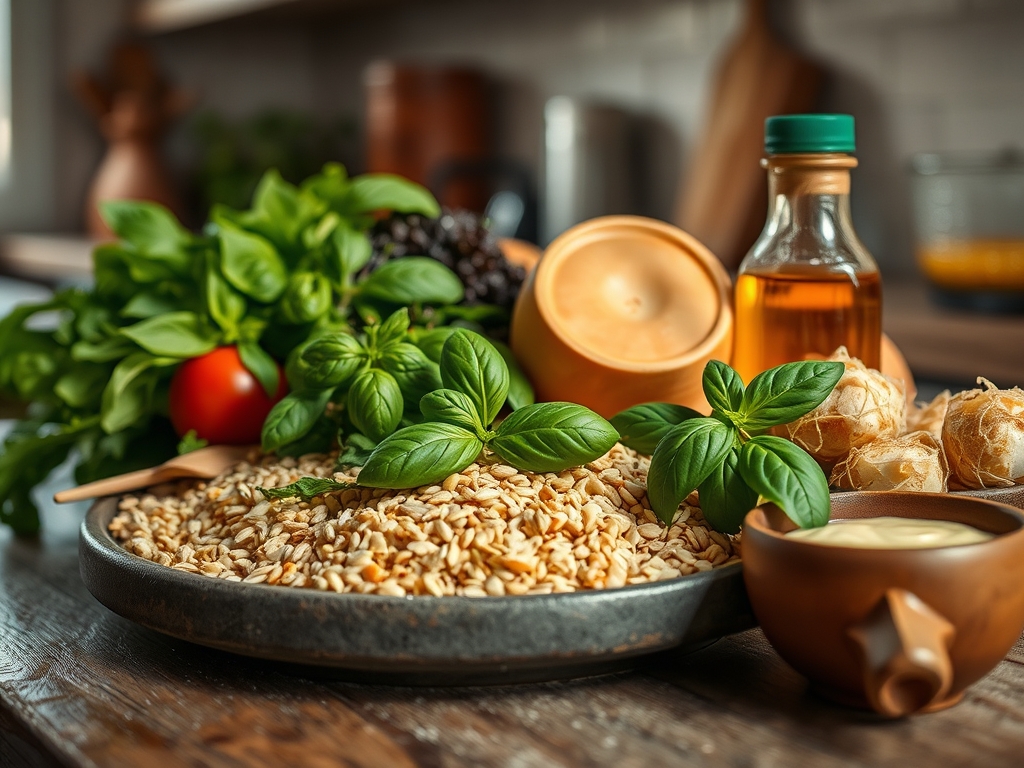
Holy basil (bai krapow) is non-negotiable for the lead recipe. Its peppery, clove-like bite separates this from Italian-basil imposters. Look for leaves with purple stems and a scent that makes your nose tingle. Chicken thigh, diced into 1 cm cubes, stays juicy under high heat; breast meat turns to rubber. Thai bird's eye chilies (5 to 8, depending on your pain threshold) provide the fruity, searing heat that balances the sauce's sugar.
Garlic (8 cloves, smashed and rough-chopped) forms the aromatic base. Oyster sauce (2 tablespoons) brings umami depth, fish sauce (1.5 tablespoons) adds salinity and funk, and dark soy sauce (1 teaspoon) contributes color and a whisper of molasses. Palm sugar (1 teaspoon) rounds the edges without making it sweet. Neutral oil with a high smoke point (grapeseed or rice bran, 3 tablespoons) is essential.
As you see in the ingredient spread below, everything sits in individual prep bowls. This is mise-en-place in its purest form: once the wok heats, you won't have time to measure.
Smart Substitutions: If holy basil is unavailable, use Thai basil with a handful of fresh mint to mimic that peppery note. Substitute coconut aminos for soy sauce (gluten-free) and monk fruit sweetener for palm sugar (keto). Tofu or tempeh cubes work for plant-based versions, but press them hard and sear first.
The Clock
Prep time: 15 minutes (assumes chicken is already diced).
Cook time: 6 minutes (yes, six).
Total time: 21 minutes.
Chef's Flow: While your wok heats over maximum flame for 3 minutes, finish chopping your aromatics. Crack your egg (for the fried egg topping) into a small bowl. Have your sauce mixed in a single container: oyster, fish, soy, sugar. This isn't multitasking; it's choreography.
The difference between a 6-minute cook and a 12-minute disaster is spatial awareness. Every ingredient moves from left to right across your cutting board, then into the wok in that exact order.
The Masterclass
Step 1: Ignite the Wok
Heat your wok (carbon steel, 14-inch) over maximum heat until a bead of water evaporates in under 2 seconds. Add oil, swirl to coat, and wait for shimmer.
Chef's Secret: The Leidenfrost effect (oil skating across the surface) signals readiness. If chicken sticks, your pan wasn't hot enough.
Step 2: Sear the Chicken
Add chicken in a single layer. Do not stir for 45 seconds. Let the Maillard reaction create a golden crust.
Why it Works: Proteins need sustained contact with metal to denature and brown. Stirring interrupts heat transfer and releases moisture, steaming instead of searing.
Step 3: Bloom the Aromatics
Push chicken to the wok's edges. Add garlic and chilies to the center. Stir for 15 seconds until fragrant but not browned.
Chef's Secret: Garlic burns in seconds at wok temperature. The center well stays slightly cooler, giving you control.
Step 4: Introduce the Sauce
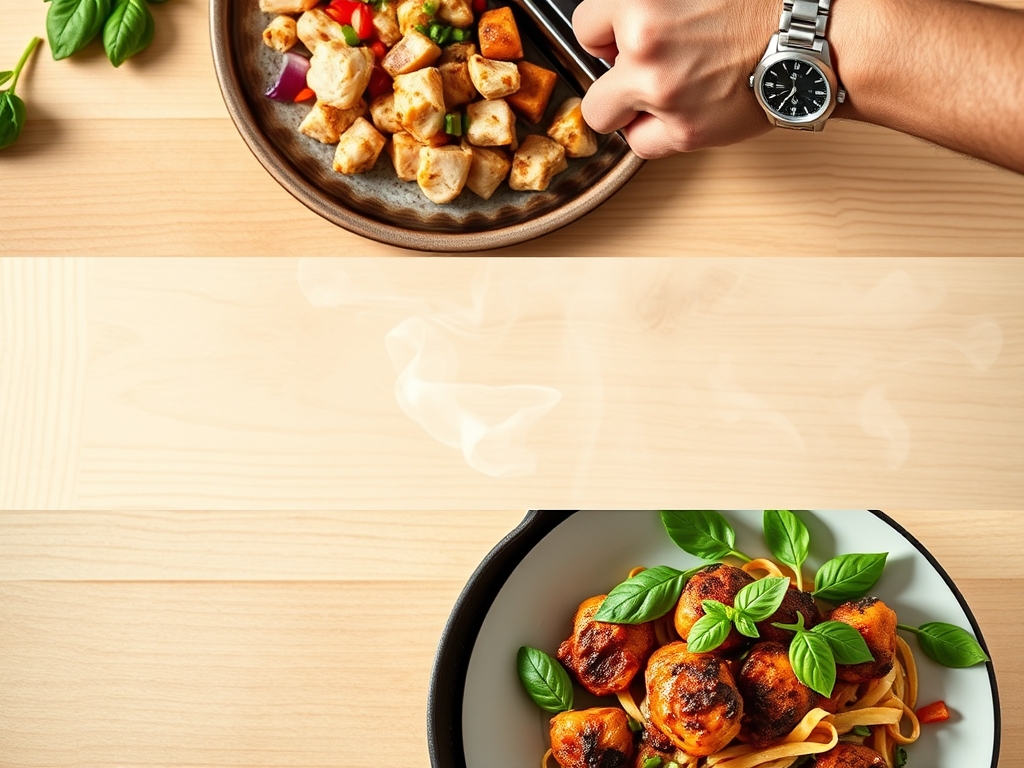
Pour your pre-mixed sauce down the side of the wok (not directly onto chicken). Toss everything for 30 seconds. Note the texture shown in the step-by-step photos: glossy, not soupy.
Why it Works: Hitting the hot wok sides vaporizes volatile compounds instantly, creating that smoky "wok hei" flavor. Direct contact also reduces the sauce through rapid evaporation.
Step 5: Finish with Basil
Kill the heat. Add holy basil leaves (2 cups, loosely packed). Toss 3 times using residual heat only.
Chef's Secret: Basil's essential oils are volatile above 80°C. Off-heat wilting preserves the peppery punch while avoiding bitterness.
Nutritional Info
Per serving (with jasmine rice and fried egg): 520 calories, 22g fat, 48g carbohydrates (42g net carbs), 34g protein. Sodium sits around 980mg, mostly from fish and soy sauces. The dish provides 18% DV iron and 25% DV vitamin A from chilies and basil.
Swapping white rice for cauliflower rice drops carbs to 12g net and total calories to 340. Using breast meat instead of thigh cuts fat by 6g per serving but sacrifices juiciness.
Dietary Swaps
Vegan: Replace chicken with king oyster mushrooms (hand-torn for texture), oyster sauce with mushroom stir-fry sauce, and fish sauce with 1:1 soy sauce plus a squeeze of lime.
Keto: Serve over shirataki noodles (rinsed and dry-sauteed) or simply skip the carb base. Up the fat with an extra fried egg.
Gluten-Free: Use tamari instead of dark soy. Confirm your oyster sauce is wheat-free (many brands sneak in modified starch).
Serving & Presentation
Street-Cart Style: Mound over jasmine rice, top with a crispy-edged fried egg (yolk jammy), and serve with lime wedges and sliced cucumbers.
Modern Plate: Arrange chicken on a swoosh of coconut-lime puree, garnish with fried basil leaves (20 seconds in 180°C oil), and add a micro-green salad dressed in fish sauce vinaigrette.
Family-Style Platter: Serve in a heated cast-iron skillet, surrounded by lettuce cups, fresh herbs (cilantro, mint), and sticky rice for DIY wraps.
The Pro-Dodge
Pitfall 1: Watery sauce. Your chicken wasn't patted dry. Moisture dilutes the sauce and kills the sear.
Fix: Always blot protein with paper towels. If sauce pools, crank heat and reduce for 20 seconds.
Pitfall 2: Bitter basil. You added it too early or kept cooking.
Fix: Basil goes in dead last, heat off. If already bitter, balance with a pinch more sugar.
Pitfall 3: Tough chicken. Overcooked or sliced against the grain incorrectly.
Fix: Use thighs, dice small, and never exceed 3 minutes of direct heat. Carryover cooking finishes it.
The Meal Prep Corner
Store chicken and rice separately in glass containers. Basil wilts overnight, so reserve fresh leaves and stir them in after reheating. Microwave in 30-second bursts at 70% power to avoid rubber texture. Alternatively, reheat in a smoking-hot wok with a tablespoon of water to steam and refresh.
Fried eggs don't reheat well. Cook fresh each time, or prep soft-boiled eggs (6.5 minutes, ice bath) and halve before serving.
Chicken holds peak quality for 3 days refrigerated, 2 months frozen. Thaw overnight in the fridge and refresh in a hot pan, never the microwave alone.
Fire Up Your Wok
These seven basil chicken recipes thai give you the blueprint, but your palate writes the final draft. Start with the classic, then push into the variations: pork belly krapow, crispy fish krapow, or even a breakfast scramble version with soft eggs folded through.
Tag your best wok-seared masterpiece and share your holy basil source in the comments. Let's build a map of where to find the real stuff outside Thailand.
The Kitchen Table
What's the difference between holy basil, Thai basil, and sweet basil?
Holy basil (bai krapow) has a peppery, clove-like bite and slightly fuzzy leaves. Thai basil is sweeter with anise notes, used in pho and curries. Sweet basil (Italian) is mildest and wrong for pad krapow.
Can I make this without a wok?
Yes, but use the largest skillet you own (12-inch minimum) over maximum heat. Cast iron holds temperature better than stainless. Work in batches if needed to avoid crowding.
Why does restaurant pad krapow taste smokier?
Wok hei, the "breath of the wok," comes from vaporized fat and sauce hitting flames in a professional jet burner (60,000+ BTU). Home stoves max around 15,000 BTU. Compensate with a screaming-hot wok and small batches.
How spicy is this really?
With 5 Thai chilies, it's assertively hot but not punishing. The sugar and egg yolk temper heat. Start with 2 chilies if you're cautious; you can always add chili oil at the table.
Can I prep the sauce in advance?
Absolutely. Mix oyster, fish, soy, and sugar in a jar. Refrigerate up to 2 weeks. Shake before using. This turns a 21-minute dish into a 15-minute one.