
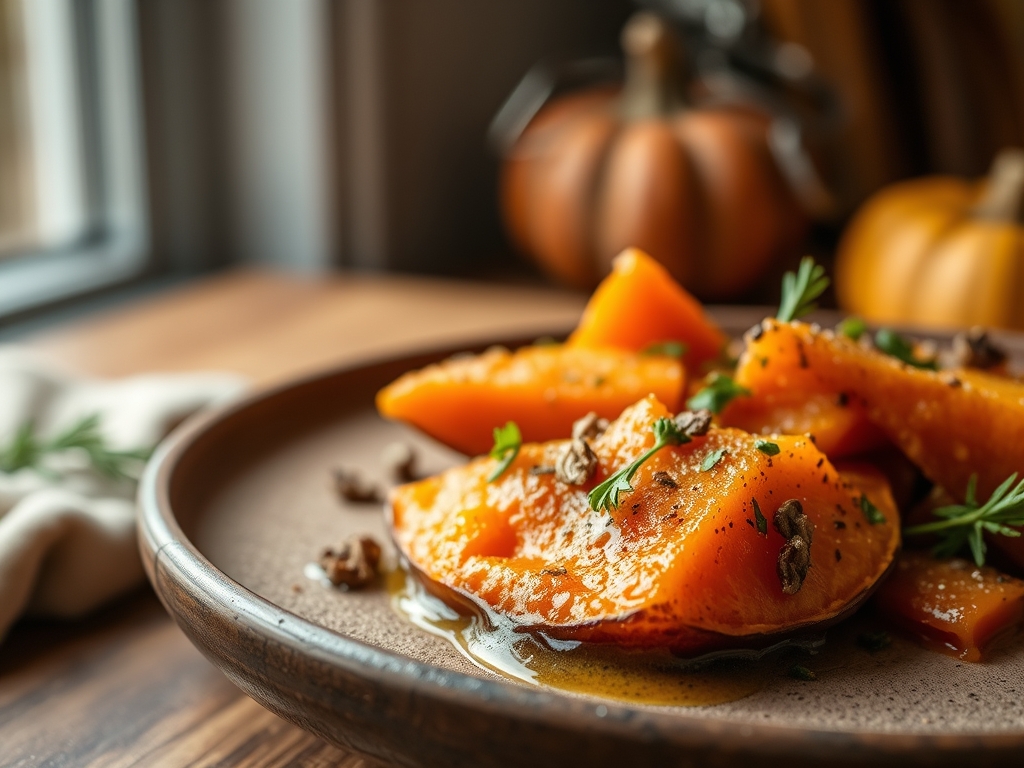
Imagine the scent of caramelized sugars and toasted pecans wafting through your kitchen as the oven works its magic on the humble tuber. When you are hunting for the best thanksgiving sweet potato recipes, you are not just looking for a side dish; you are seeking the soul of the holiday table. We are moving far beyond the cloying, marshmallow-topped relics of the past. Today, we are elevating these root vegetables into masterpieces that balance earthy sweetness with sophisticated textures. Whether you prefer a silky puree or a crispy, salt-flecked roast, the perfect recipe transforms the meal from a standard dinner into a curated culinary event that your guests will talk about until next November.
We are diving deep into the chemistry of the Ipomoea batatas to ensure every bite is a revelation of flavor and form. This is not just cooking; it is an exploration of how heat, fat, and acid interact with complex starches to create something truly sublime. Get ready to reclaim the sweet potato as the star of your Thanksgiving spread.
The Gathers:
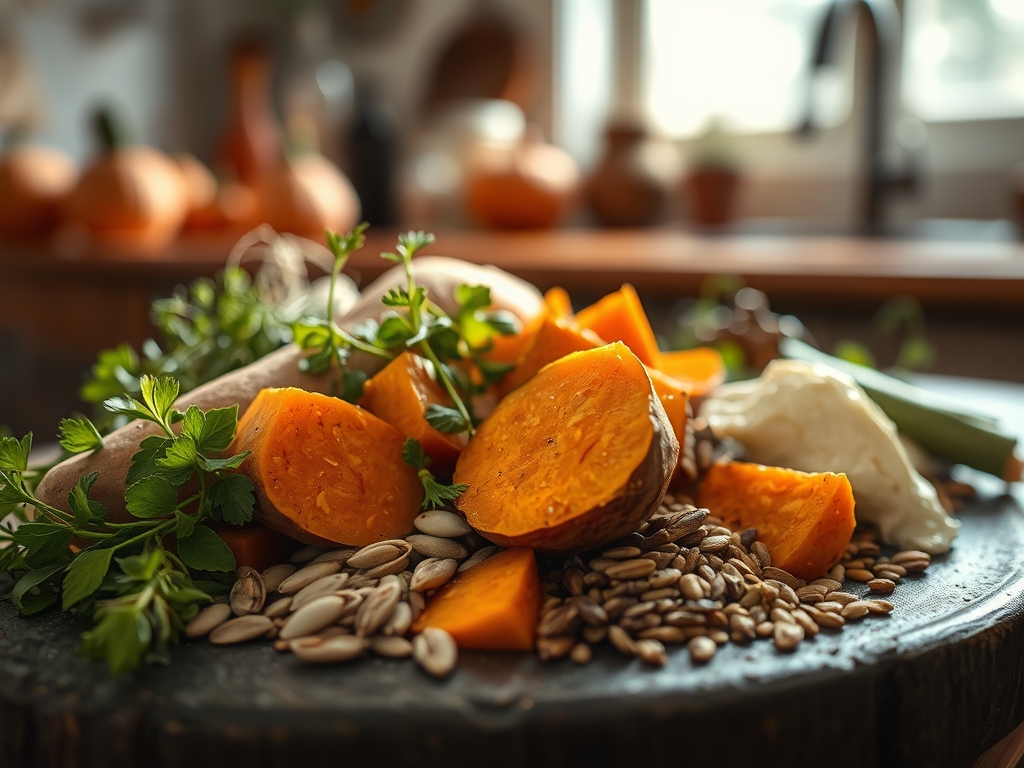
To execute the best thanksgiving sweet potato recipes, your mise-en-place must be precise. Start with jewel-toned Garnet or Beauregard potatoes. These varieties possess a high sugar content and a moist, viscous interior that is essential for a velvety mouthfeel. You will need high-fat European butter for its lower water content; this ensures a cleaner emulsification when folded into warm mashes.
For the savory elements, gather fresh sage leaves, sprigs of woody rosemary, and flaky Maldon sea salt. If you are aiming for a piquant edge, keep a bottle of aged balsamic vinegar or a jar of hot honey nearby to cut through the density of the starch.
Smart Substitutions: If you are cooking for a crowd with varied needs, swap the heavy cream for full-fat coconut milk to maintain that luxurious fat profile without the dairy. For a lower glycemic index, replace a portion of the sweet potatoes with roasted carrots or parsnips. Use a microplane to zest fresh orange peel over the finished dish; the volatile oils in the citrus provide a bright, aromatic lift that mimics the acidity of wine without adding liquid volume.
The Clock
Mastering the "Chef's Flow" is about timing your oven windows so nothing hits the table cold. For these seven masterpieces, expect a total preparation time of 30 minutes and a collective cook time of 60 to 90 minutes.
The secret to efficiency is parallel processing. While your potatoes undergo hydrolysis in the oven (the process where starches break down into maltose), you should be using your heavy-bottomed skillet to render bacon fat or brown your butter. By the time the potatoes are tender, your aromatics are already infused and ready for integration. Always allow for a 10-minute rest period before serving; this allows the internal temperature to stabilize, ensuring the textures are set and the flavors are fully developed.
The Masterclass
1. The Triple-Roasted Medallion
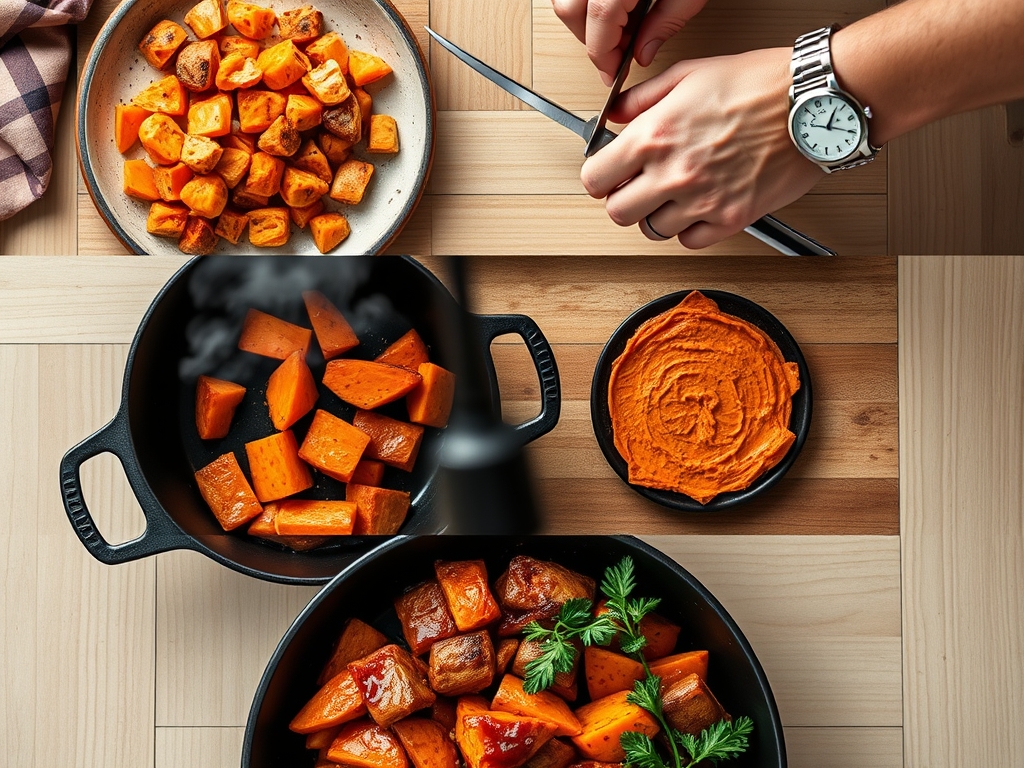
Slice your potatoes into uniform rounds using a sharp chef's knife or a mandoline. Toss them in avocado oil and roast at 425 degrees Fahrenheit until the edges start to curl and darken.
Pro Tip: This relies on the Maillard reaction. By roasting at high heat, you are creating a complex flavor profile through the browning of proteins and sugars that boiling simply cannot achieve.
2. The Brown Butter and Sage Puree
Boil peeled chunks until fork-tender, then pass them through a food mill or ricer for a perfectly smooth texture. Fold in butter that has been cooked until the milk solids are toasted and nutty.
Pro Tip: Using a ricer prevents the overworking of starches. If you use a high-speed blender, you risk shearing the starch granules, which results in a gluey, gummy consistency rather than a light aerated fluff.
3. The Hasselback Gratin
Cut thin slits into whole potatoes, stopping just before you hit the base. Stuff the crevices with thin slices of garlic and Gruyere cheese, then bake in a saucier filled with seasoned cream.
Pro Tip: This method increases the surface area exposed to heat. The cream acts as a thermal conductor, ensuring the interior reaches a creamy state while the exposed tops undergo dehydration for a crispy finish.
4. The Maple-Bourbon Glazed Batons
Cut potatoes into thick fries and toss them in a reduction of maple syrup, bourbon, and a pinch of cayenne. Roast until the glaze becomes a sticky, translucent coating.
Pro Tip: The alcohol in the bourbon lowers the boiling point of the glaze, allowing it to penetrate the potato flesh more deeply before the sugars reach the stage of caramelization.
5. The Whipped Casserole with Savory Streusel
Whip your potatoes with mascarpone cheese and top with a crumble made of oats, walnuts, and smoked paprika.
Pro Tip: Mascarpone adds a high percentage of butterfat which coats the palate. This fat acts as a barrier, slowing down the perception of sweetness and allowing the savory notes of the paprika to shine through.
6. The Salt-Crusted Whole Roasted Tuber
Bake whole potatoes on a bed of coarse salt. Once tender, split them open and top with a dollop of crème fraîche and chives.
Pro Tip: The salt bed acts as an insulator, providing even, omnidirectional heat. This mimics the effect of a professional deck oven, resulting in an incredibly fluffy interior.
7. The Sweet Potato and Leek Galette
Layer thinly sliced potatoes and sautéed leeks on a bed of flaky pastry. Fold the edges over and bake until the crust is golden.
Pro Tip: Use a bench scraper to handle the delicate pastry dough. Keeping the fats in the crust cold until they hit the oven ensures that the water content evaporates quickly, creating distinct, flaky layers through steam leavening.
The Deep Dive
From a macro perspective, sweet potatoes are nutritional powerhouses, packed with beta-carotene, fiber, and potassium. To keep these recipes Keto-friendly, focus on the savory preparations and swap the maple syrup for an allulose-based sweetener. For a Vegan version, high-quality olive oil or avocado oil provides the necessary lipids for flavor transport without the need for animal fats.
The Fix-It:
If your puree is too runny, return it to a heavy-bottomed skillet over medium heat. Stir constantly to evaporate excess moisture until the desired thickness is reached. If the potatoes are browning too fast, tent the dish with foil to reflect radiant heat while allowing the interior to continue cooking via conduction. If your glaze breaks and becomes oily, whisk in a teaspoon of warm water to re-establish the emulsion.
Meal Prep: To maintain "day-one" quality when reheating, avoid the microwave. The microwave agitates water molecules unevenly, leading to soggy spots. Instead, use an oven at 350 degrees Fahrenheit. The dry heat will re-crisp the exterior and gently warm the center without compromising the structural integrity of the starches.
The Wrap-Up
Creating the best thanksgiving sweet potato recipes is about honoring the ingredient while pushing the boundaries of traditional holiday cooking. By focusing on technical precision—like managing the Maillard reaction and ensuring proper emulsification—you elevate a simple root vegetable into a sophisticated culinary highlight. This year, let your kitchen be a lab of flavor where science meets celebration. Your guests will taste the difference that a little bit of "smart" cooking makes.
The Kitchen Table
Why are my roasted sweet potatoes soggy?
Sogginess usually occurs due to overcrowding the pan. When potatoes are too close, they steam each other rather than roasting. Use a large sheet pan and ensure each piece has space for moisture to evaporate.
Can I prep sweet potatoes the day before?
Yes, you can peel and chop them 24 hours in advance. Store the pieces in a bowl of cold water in the refrigerator to prevent enzymatic browning caused by oxidation.
What is the best way to mash sweet potatoes?
For the best texture, use a potato ricer or food mill. Avoid using a food processor, as the high-speed blades tear the starch molecules, resulting in a sticky, gluey consistency.
How do I stop my sweet potato casserole from being too sweet?
Balance the natural sugars with acidity and salt. Add a splash of apple cider vinegar or lemon juice to the mash, and use savory toppings like toasted nuts, herbs, or smoked sea salt.