
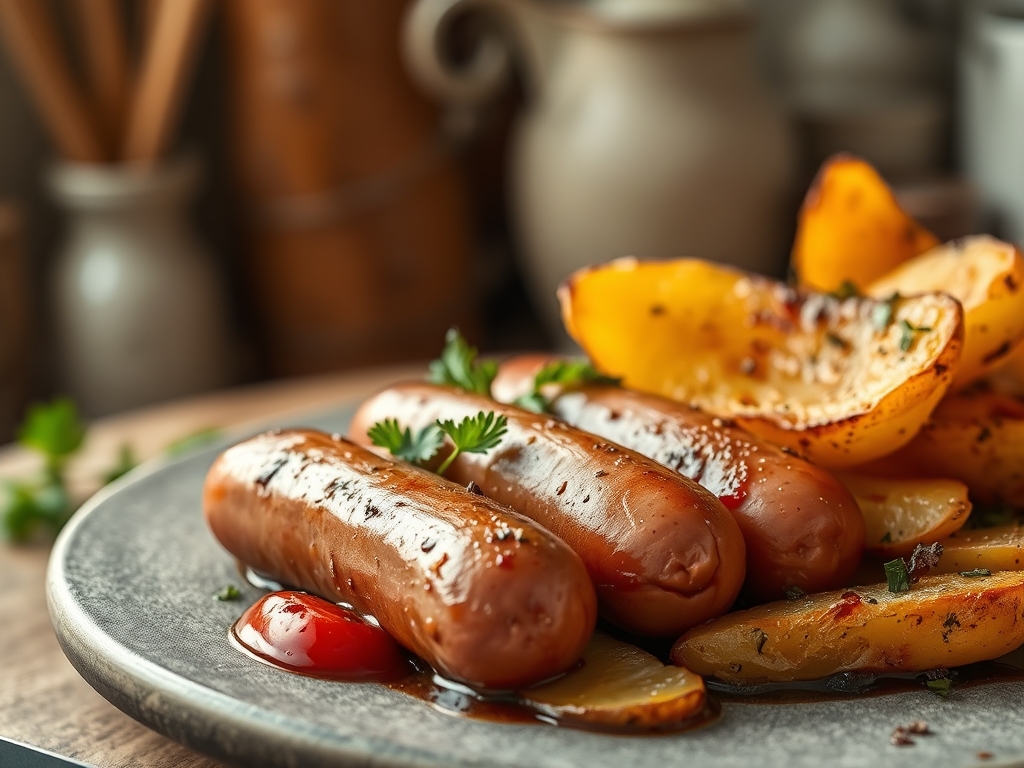
Picture the sound of a heavy-bottomed cast iron skillet meeting a high-flame burner; that sharp, metallic ring is the herald of a masterpiece. As the fat begins to render from the casing, the kitchen fills with an intoxicating aroma of toasted caraway and garlic. Mastering bratwurst and potato recipes is not just about a quick weeknight dinner; it is a lesson in the delicate balance of starch and protein. We are chasing that elusive, shatter-crisp potato edge and the juicy, snap-back bite of a perfectly seared sausage.
The beauty of these one-pan wonders lies in the synergy of ingredients. When you toss cubes of Yukon Gold potatoes into the shimmering pork fat, you are initiating a complex chemical transformation. The starches gelatinize while the exterior undergoes the Maillard reaction, creating a deep, nutty crust that absorbs the savory essence of the meat. It is rustic, it is sophisticated, and it is the ultimate comfort food for anyone who appreciates the intersection of physics and flavor. Grab your favorite tongs; we are about to turn a humble skillet into a stage for culinary excellence.
The Gathers:
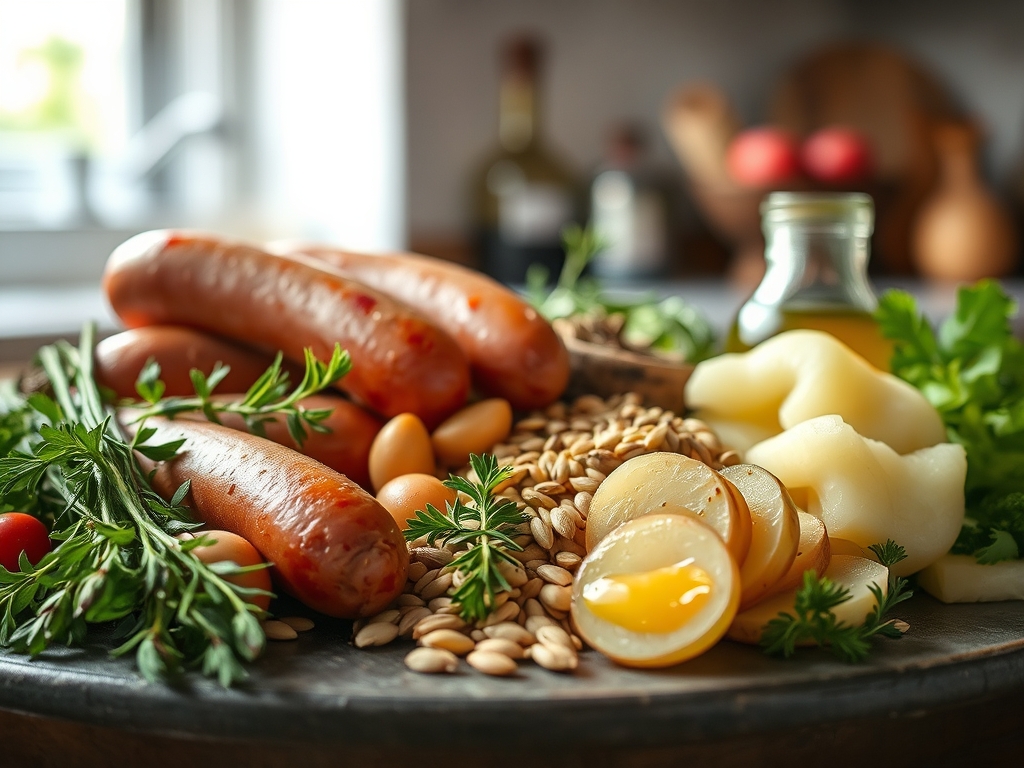
Your mise-en-place is the foundation of a seamless cook. For these bratwurst and potato recipes, precision starts with your choice of tuber. Seek out Yukon Gold potatoes for their high starch-to-sugar ratio, which ensures a creamy interior and a golden exterior. You will need high-quality, fresh bratwursts; look for links with visible flecks of herbs and a natural casing that will provide that signature "snap."
Complement these with aromatics: a large yellow onion for its high sugar content (perfect for caramelization), fresh garlic cloves, and a piquant hit of Dijon mustard to cut through the richness. Use a digital scale to ensure your potato-to-meat ratio is balanced; usually, a 1:1 weight ratio provides the best bite-to-bite experience. For the finishing touch, fresh parsley and a splash of apple cider vinegar provide the necessary acidity to brighten the heavy fats.
Smart Substitutions:
If you are looking to pivot, swap the potatoes for celery root or radishes to significantly lower the carbohydrate count while maintaining a similar texture. For a leaner profile, turkey or chicken brats work well, though you may need to add a tablespoon of neutral oil, like avocado oil, to the skillet to compensate for the lower fat content. If you lack fresh garlic, a teaspoon of garlic confit or high-quality garlic oil can infuse the dish with a more mellow, roasted depth.
The Clock
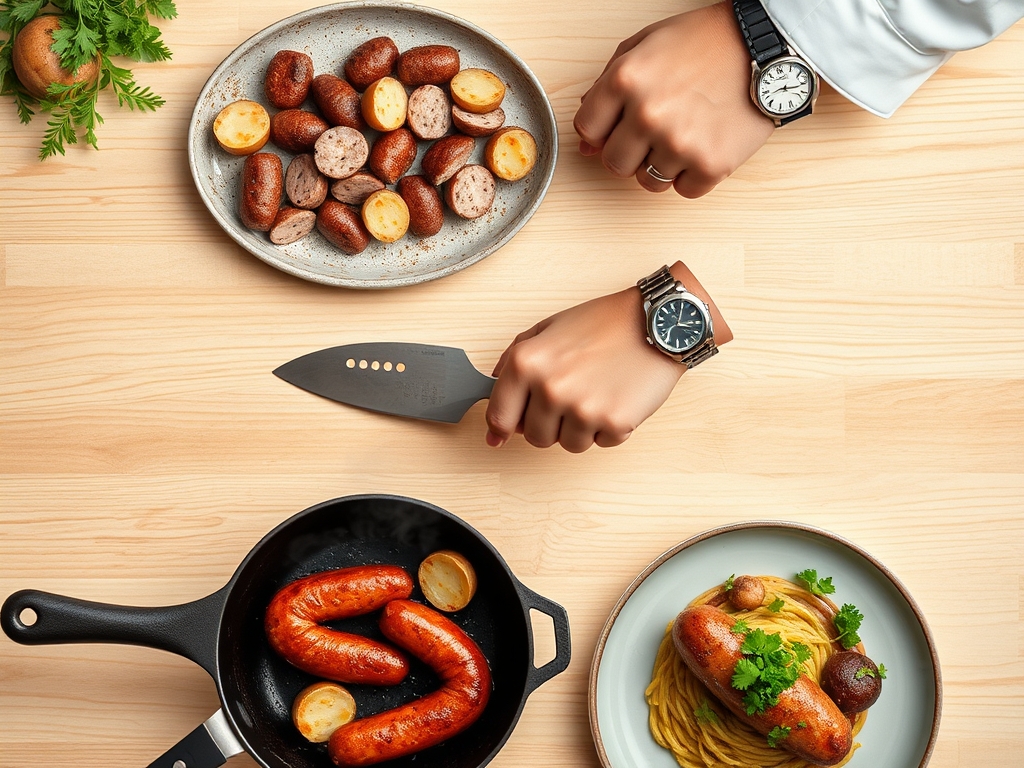
The "Chef's Flow" is all about overlapping tasks to minimize downtime. Expect a total time of 35 minutes: 10 minutes for active prep and 25 minutes for the cook. While your skillet preheats, use a sharp chef's knife or a bench scraper to organize your chopped vegetables. Start the sausages first to render the fat, which then acts as the cooking medium for the potatoes. This "staggered start" ensures that the meat does not overcook while the potatoes reach their peak fluffiness.
The Masterclass
1. Searing the Protein
Place your bratwursts in a cold, heavy-bottomed skillet and then turn the heat to medium-high. Use tongs to rotate them every two minutes.
Pro Tip: This cold-start method allows the fat to render slowly, preventing the casing from bursting due to sudden steam expansion. It ensures a uniform, mahogany crust.
2. The Potato Par-Cook
Remove the sausages and add your cubed potatoes directly into the rendered fat. Do not crowd the pan; use a second skillet if necessary to ensure every cube touches the hot surface.
Pro Tip: Avoid stirring for the first four minutes. This allows for enzymatic browning, where the heat breaks down the starches into simple sugars that then caramelize, creating a structural "crust."
3. Aromatics and Deglazing
Once the potatoes are golden, add your sliced onions. As they soften and release moisture, use a wooden spoon to scrape the bottom of the pan.
Pro Tip: This process is called deglazing. The moisture from the onions lifts the "fond" (the flavorful browned bits stuck to the pan) and re-incorporates it into the dish, intensifying the savory profile.
4. The Final Marriage
Slice the seared bratwursts into coins and return them to the skillet. Add a splash of broth or beer and cover with a lid for three minutes.
Pro Tip: This creates a pressurized steam environment that finishes the interior of the potatoes through conduction, ensuring they are fork-tender without burning the exterior.
5. Emulsifying the Sauce
Remove the lid, turn the heat to high, and stir in a tablespoon of cold butter and your Dijon mustard.
Pro Tip: Whisking cold fat into a hot liquid creates a viscous emulsion. The proteins in the butter bind the fats and liquids together, resulting in a glossy, restaurant-quality pan sauce.
The Deep Dive
Macro Nutrition:
A standard serving of this skillet contains approximately 450 calories, with 28g of fat, 32g of carbohydrates, and 18g of protein. The high fat content is primarily sourced from the pork, which provides essential B-vitamins and zinc. To increase the fiber, leave the skins on the potatoes.
Dietary Swaps:
For a Keto-friendly version, replace potatoes with cauliflower florets and use a sugar-free mustard. Vegan enthusiasts can utilize high-quality plant-based sausages and substitute the butter with a drizzle of tahini for creaminess. This dish is naturally Gluten-Free, provided your bratwursts do not contain breadcrumb fillers; always check the label for "wheat" or "malt."
The Fix-It:
- Problem: The potatoes are mushy. Fix: You likely overcrowded the pan, causing them to steam rather than sear. Next time, cook in batches or use a wider skillet.
- Problem: The sausage is dry. Fix: This is a result of thermal carryover. Remove the meat when it hits 155°F; it will reach the safe 160°F while resting.
- Problem: The dish is too salty. Fix: Add a squeeze of lemon juice or a teaspoon of honey. Acidity and sweetness are the primary counters to excess sodium.
Meal Prep & Reheating:
To maintain "day-one" quality, store the potatoes and sausages in an airtight glass container. When reheating, avoid the microwave, which turns the potato starches "rubbery" through retrogradation. Instead, use a toaster oven or a small frying pan with a drop of water to re-steam and re-crisp simultaneously.
The Wrap-Up
There is a profound satisfaction in mastering the basics of bratwurst and potato recipes. It is a dish that respects the integrity of its ingredients while utilizing high-level heat management to create something greater than the sum of its parts. Whether you are hosting a casual backyard gathering or just fueling up after a long day, this skillet is your ticket to a reliable, flavorful victory. Keep your skillet seasoned, your mustard piquant, and your heat high. Now, get into that kitchen and start rendering!
The Kitchen Table
Can I use frozen potatoes for this recipe?
Yes, but thaw and pat them completely dry first. Excess moisture prevents the Maillard reaction, leading to soggy potatoes instead of crispy ones. For the best results, increase the initial heat to compensate for the colder temperature.
What is the best way to slice the bratwurst?
Slice them on a bias (at an angle) after the initial sear. This increases the surface area, allowing more of the meat to caramelize and soak up the pan sauce during the final stage of cooking.
How do I prevent the onions from burning?
Add the onions only after the potatoes have already developed a golden crust. Onions have a much higher sugar content and will burn long before the potatoes are cooked through if added simultaneously.
Why should I use a cast iron skillet?
Cast iron has high thermal mass, meaning it holds heat better when cold food is added. This consistency is vital for achieving a professional-grade sear on both the meat and the potatoes without dropping the pan temperature.