
Picture this: it is a Tuesday afternoon, your stomach is growling, and you have exactly ten minutes before your next meeting. You open the pantry to find that humble silver tin. Most people see a backup plan, but I see a blank canvas for culinary brilliance. Mastering canned chicken recipes salad is about more than just convenience; it is about reclaiming your time without sacrificing the complex textures and bold flavors of a gourmet bistro lunch. We are talking about transforming shelf-stable protein into a vibrant, high-protein masterpiece that defies the "canned" stereotype. By understanding the science of acidity and the mechanics of a perfect emulsion, we can elevate this pantry staple into something truly spectacular. Forget the soggy, bland mixtures of the past. We are leaning into piquant dressings and crunchy aromatics to create a dish that feels fresh, intentional, and incredibly satisfying.
The Gathers:
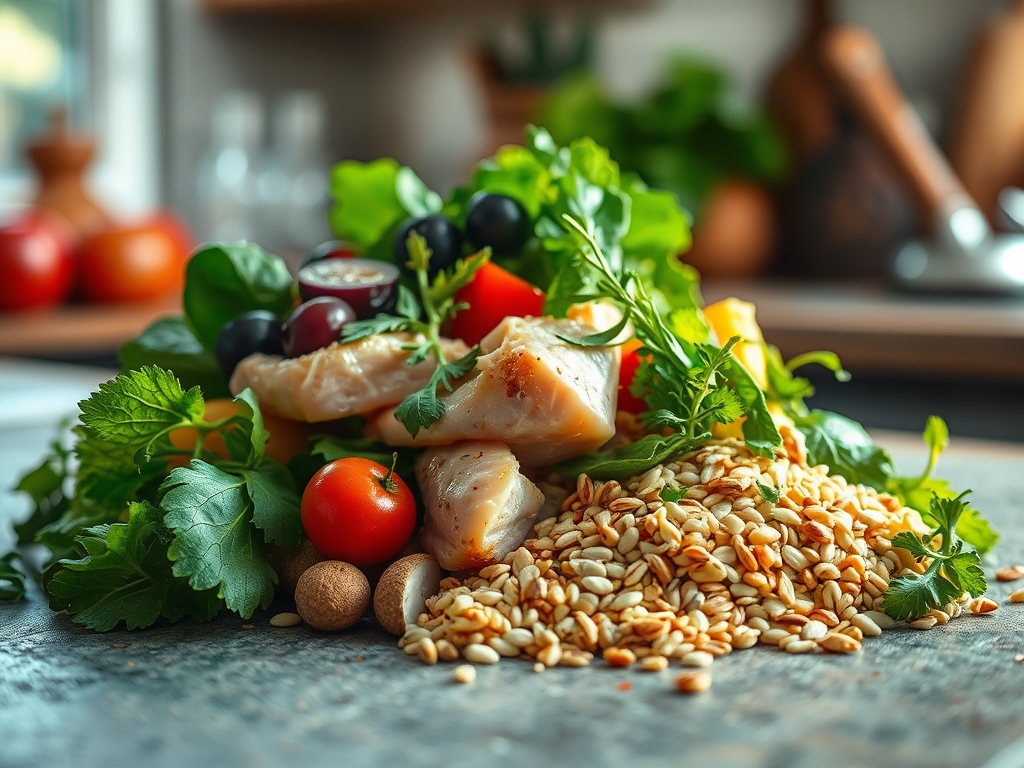
To achieve a five-star result, your mise-en-place must be precise. Start with high-quality canned chicken breast packed in water, not oil, to maintain control over your fat ratios. You will need a viscous binder; while traditional mayonnaise is the standard, a Greek yogurt base offers a lactic acid tang that brightens the protein. Gather your aromatics: celery for structural crunch, red onions for a sulfurous bite, and fresh herbs like dill or tarragon to infuse the mixture with volatile oils.
For your "Smart Substitutions," consider the texture. If you are out of celery, fennel bulbs provide a similar snap with a sophisticated anise undertone. Instead of standard table salt, use a microplane to zest a lemon directly into the bowl. The citric acid acts as a flavor enhancer, vibrating the taste buds and cutting through the richness of the binder. If you want to add a smoky depth, a pinch of smoked paprika or a dash of liquid smoke can mimic the profile of rotisserie chicken. Always weigh your ingredients on a digital scale for consistency, especially when balancing the ratio of protein to dressing.
The Clock: Mastering the Chef's Flow
Efficiency in the kitchen is governed by "Chef's Flow," which is the art of overlapping tasks to minimize downtime. For these canned chicken recipes salad variations, the total active time is exactly eight minutes. Spend the first two minutes on the "Prep Phase," where you drain the chicken and let it air-dry on a paper towel. This is crucial; excess moisture is the enemy of a stable emulsion.
The next four minutes are the "Assembly Phase." This is when you chop your vegetables and whisk your dressing in a separate saucier or small bowl before combining. Mixing the dressing independently ensures the spices are evenly distributed. The final two minutes are the "Marriage Phase." Allow the salad to sit at room temperature for a moment. This allows the salt to draw out a tiny amount of moisture from the vegetables, which then integrates with the dressing to create a cohesive sauce.
The Masterclass:
1. The Proper Drain and Flake
Open your cans and use the lid to press out every drop of brine. Transfer the meat to a clean surface and use a bench scraper or two forks to flake the chicken into uniform bite-sized pieces.
Pro Tip: This step prevents "syneresis," which is the weeping of liquid from a gel or mixture. By removing excess brine, you ensure your dressing stays thick and creamy rather than turning into a watery soup.
2. The Aromatics Precision Cut
Using a sharp chef's knife, dice your celery and onions into a fine brunoise. Consistency in size ensures that every forkful has a balanced distribution of flavor and a predictable mechanical crunch.
Pro Tip: Small, uniform cuts increase the surface area of the vegetables. This allows for better "adsorption," where the dressing clings to the exterior of the vegetables, creating a more intense flavor profile in every bite.
3. The Emulsion Whisk
In a separate bowl, combine your mayo or yogurt, mustard, and acid (vinegar or lemon juice). Use a small whisk to aerate the mixture until it is smooth and pale.
Pro Tip: Whisking creates a stable emulsion by suspending tiny droplets of oil in water. Adding a teaspoon of Dijon mustard acts as a natural emulsifier, using its mucilage to keep the dressing from separating over time.
4. The Flavor Infusion
Fold in your dry spices and fresh herbs. If you are using dried herbs, rub them between your palms first to release the encapsulated oils.
Pro Tip: This is known as "blooming." Even without heat, the mechanical friction of rubbing dried herbs helps to break down the cell walls, making the flavors more bioavailable and aromatic.
5. The Gentle Fold
Add the chicken and aromatics to the dressing bowl. Use a silicone spatula to gently fold the ingredients together until every piece of chicken is coated.
Pro Tip: Avoid over-mixing. Aggressive stirring can break down the delicate muscle fibers of the canned chicken, resulting in a mushy texture. A gentle fold preserves the structural integrity of the protein.
6. The Acid Balance Check
Taste your creation. If it feels "flat," it likely needs more acid, not more salt. Add a splash of apple cider vinegar or a squeeze of lime.
Pro Tip: Acid balances the "heavy" perception of fats. It triggers salivation, which helps carry flavor molecules to your taste receptors more efficiently, making the salad taste "brighter."
7. The Texture Contrast Addition
Just before serving, fold in your "crunch" elements like toasted pecans, sunflower seeds, or diced apples.
Pro Tip: Adding these last prevents them from softening due to "osmotic pressure." If added too early, the salt in the dressing would draw the water out of the apples and seeds, making them soggy.
8. The Chilled Rest
If time permits, place the salad in the refrigerator for fifteen minutes before serving.
Pro Tip: Cold temperatures stabilize the fats in the mayonnaise, creating a more viscous and luxurious mouthfeel. It also allows the flavors to undergo "maceration," where the ingredients exchange aromatic compounds.
The Deep Dive:
When it comes to nutrition, canned chicken is a powerhouse of lean protein, typically offering about 13 grams per two-ounce serving with minimal fat. For those following a Keto lifestyle, swap the yogurt for full-fat avocado oil mayo to increase healthy fats. Vegan friends can swap the chicken for mashed chickpeas; the mechanical process of mashing provides a strikingly similar "flake" to the chicken. For a Gluten-Free option, ensure your mustard and spices are certified, as some thickeners contain wheat.
The Fix-It: Common Pitfalls
- The Salad is Too Salty: Do not add more water. Instead, add a tablespoon of sour cream or more unseasoned chicken to dilute the sodium concentration.
- The Texture is Mushy: You likely over-processed the meat. Fix this by adding high-crunch ingredients like raw bell peppers or water chestnuts to distract the palate.
- The Dressing Won't Stick: The chicken was too wet. Spread the mixture on a tray and pat it with a paper towel, then add a "thickener" like a teaspoon of flax meal to absorb the excess liquid.
For Meal Prep, remember that canned chicken salad is best consumed within three days. To maintain "day-one" quality, store the dressing and the dry ingredients in separate containers and mix them just before your lunch break. This prevents the vegetables from losing their turgor pressure and becoming limp.
The Wrap-Up:
You are now officially a master of the canned chicken recipes salad! By applying these professional techniques; from the perfect emulsion to the science of osmotic pressure; you have turned a pantry staple into a culinary win. Whether you are stuffing this into a toasted croissant, scooping it with endive leaves, or eating it straight from the bowl with a silver spoon, you are doing it with style and scientific precision. Go forth and conquer your lunch hour!
The Kitchen Table:
How do I make canned chicken taste better?
Drain the brine thoroughly and "brighten" the meat with fresh citrus juice and zest. Adding piquant elements like capers, pickles, or Dijon mustard cuts through the canned flavor, while fresh herbs provide a "just-picked" aromatic profile.
Is canned chicken healthy for weight loss?
Yes, it is an excellent source of lean protein which promotes satiety. To optimize it for weight loss, use Greek yogurt instead of mayonnaise to reduce caloric density while increasing the protein-to-fat ratio of the dish.
How long does canned chicken salad last in the fridge?
When stored in an airtight container at or below 40 degrees Fahrenheit, it remains safe and delicious for three to five days. For the best texture, keep crunchy toppings separate until you are ready to eat.
Can I warm up canned chicken salad?
While usually served cold, you can create a "Chicken Melt." Heat it briefly in a heavy-bottomed skillet or under a broiler. Do not microwave it for long, as the mayonnaise can break and become oily at high temperatures.