
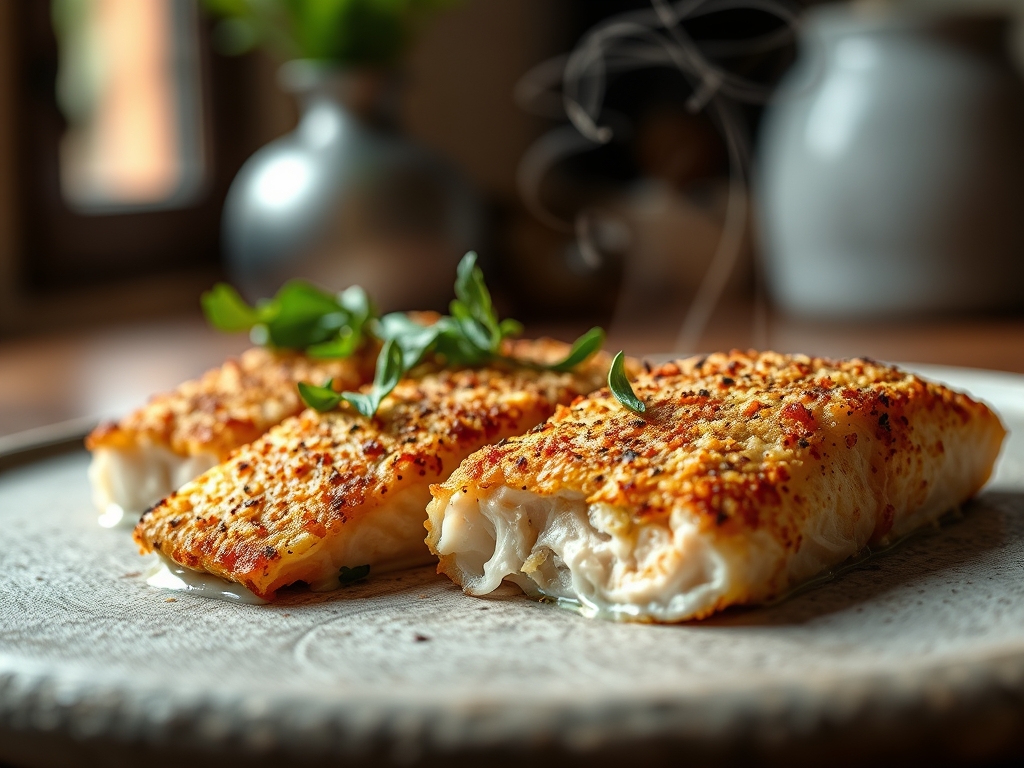
Imagine the sound of a serrated knife dragging across a perfectly golden crust. It is a high frequency shatter that promises a buttery, flakey interior. When you master panko salmon recipes, you are not just cooking dinner; you are conducting a symphony of textures. We are chasing that elusive contrast between the hyper-crunchy exterior and the succulent, medium-rare center.
The secret lies in the architecture of the panko itself. Unlike traditional breadcrumbs, which are dense and sandy, panko flakes are jagged and airy. They act like tiny heat shields that protect the delicate fats of the fish while creating a massive surface area for the Maillard reaction to work its magic. We are going to elevate this classic dish using professional techniques that turn a simple weeknight meal into a five-star experience. Grab your apron and your favorite heavy-bottomed skillet. We are about to transform your kitchen into a high-end bistro.
The Gathers:
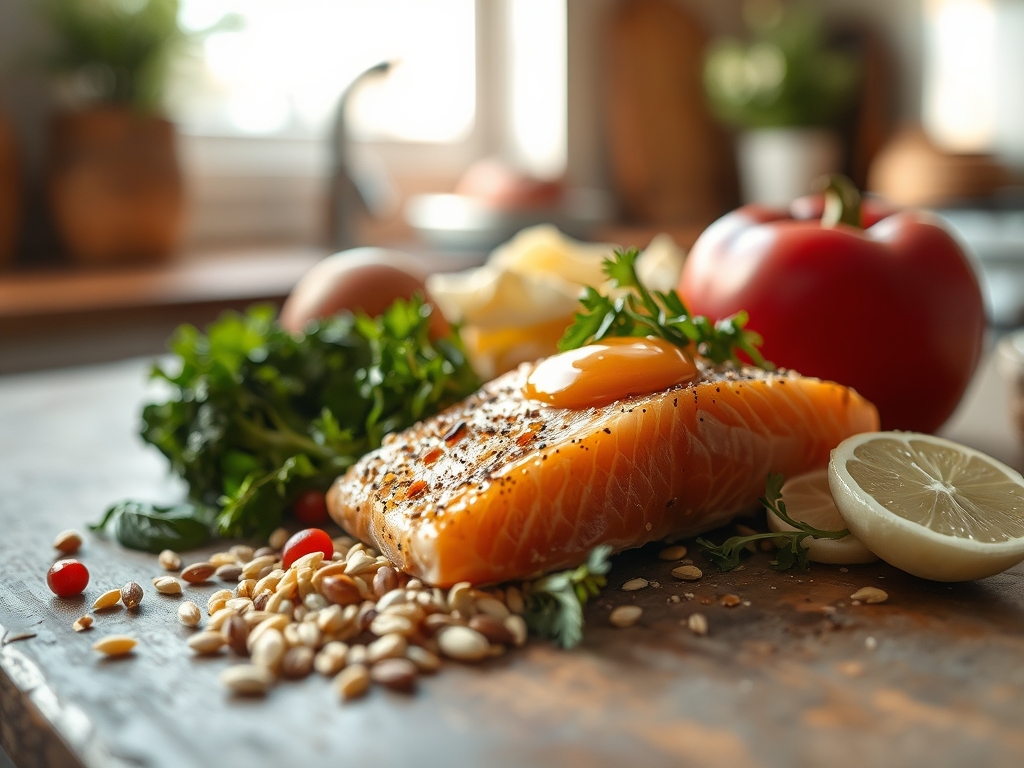
Before we apply heat, we must curate our mise-en-place with precision. Start with center-cut Atlantic or King salmon fillets. You want uniform thickness to ensure an even thermal gradient during the cook. For the crust, we need high-quality Japanese panko. Look for flakes that are large and pale. We will also need a viscous binding agent; a mixture of Dijon mustard and a touch of honey works best because the sugars aid in browning while the acidity cuts through the fish's richness.
Your flavor profile requires aromatic depth. Use a microplane to zest a fresh lemon, releasing the volatile oils without the bitter pith. Fresh dill and parsley should be minced finely with a sharp chef's knife to prevent bruising the cell walls. For the "Smart Substitutions," if you are out of Dijon, a smear of Greek yogurt or even a thin layer of kewpie mayo provides the necessary protein-fat matrix to hold the crumbs in place. If you want a piquant kick, a dash of prepared horseradish in the binder will wake up the palate. Always use a digital scale to portion your fillets if you are cooking for a crowd; consistency is the hallmark of a professional.
The Clock:
Efficiency in the kitchen is about "Chef's Flow." This means grouping tasks to minimize movement and maximize heat control. Your total active prep time is exactly 12 minutes. This includes patting the fish dry (a non-negotiable step for crust integrity), mixing your herb-infused panko, and prepping your binding wash.
The cook time is a tight 10 to 12 minutes depending on the thickness of the fillet. However, the most important part of the clock is the five-minute rest period. During this time, the internal temperature will climb by about five degrees due to thermal carryover. If you pull the fish at 125 degrees Fahrenheit, it will reach a perfect, silken 130 degrees while it sits on your cutting board. Rushing this step results in moisture loss, as the muscle fibers need time to reabsorb the juices.
The Masterclass:
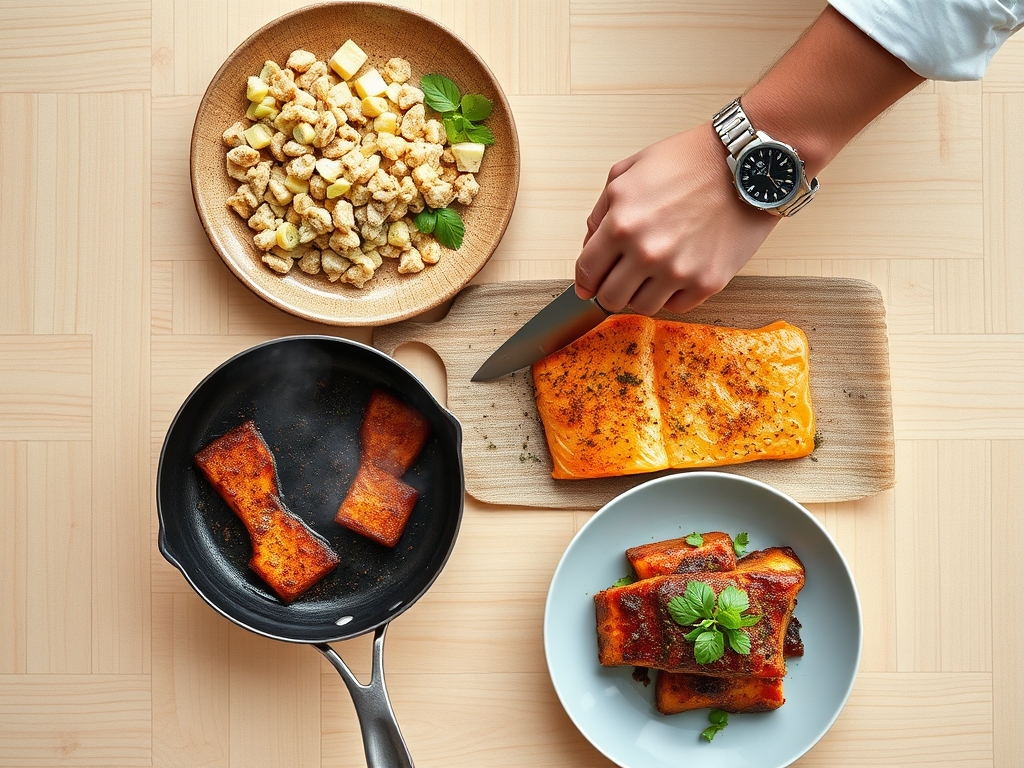
1. The Desiccation Phase
Use a paper towel to press firmly on all sides of the salmon. Removing surface moisture is the only way to prevent the fish from steaming under the crust.
Pro Tip: This prevents the "Leidenfrost effect" where a layer of steam creates a barrier between the fish and the crust, causing the panko to slide off.
2. The Viscous Primer
Apply a thin, even layer of your Dijon binder using a silicone pastry brush. You want a tacky surface, not a puddle.
Pro Tip: The proteins in the mustard act as a biological glue, creating a protein-matrix bond that secures the panko through the expansion and contraction of the cooking process.
3. The Panko Aeration
In a shallow bowl, toss your panko with melted butter and lemon zest. Use your fingers to ensure every flake is lightly coated in fat.
Pro Tip: Pre-coating the crumbs in fat ensures even enzymatic browning. Without this, the tops of the flakes burn while the bottoms stay raw and doughy.
4. The Crust Compression
Press the salmon top-down into the panko mixture with significant force. Use a bench scraper to tidy the edges so no crumbs hang off and burn on the pan.
Pro Tip: Mechanical pressure increases the density of the crust, which improves the "crunch-to-yield" ratio when you bite into the fillet.
5. The Thermal Execution
Place the salmon on a pre-heated sheet pan or in a heavy-bottomed skillet. Use tongs to position them with at least two inches of space between each fillet.
Pro Tip: Airflow is critical. If the fillets are too close, they create a localized humidity zone that kills the crunch.
6. The Saucier Finish
While the salmon rests, use a small saucier to reduce lemon juice and white wine into a bright glaze.
Pro Tip: Adding a cold knob of butter at the end (monter au beurre) creates a stable emulsion that adds a luxurious mouthfeel without being greasy.
The Deep Dive:
From a macro perspective, panko salmon recipes are a powerhouse of Omega-3 fatty acids and high-quality protein. A standard six-ounce serving provides roughly 34 grams of protein and a healthy dose of Vitamin D. If you are following a Keto or Gluten-Free lifestyle, simply swap the panko for crushed pork rinds or almond flour mixed with parmesan cheese. For a vegan-adjacent swap, use a thick miso paste as your binder to add deep umami notes.
The Fix-It: Common Pitfalls
- Soggy Bottoms: This happens when the fish sits in its own rendered fat. Fix: Cook the salmon on a wire rack set over a baking sheet to allow 360-degree air circulation.
- Burned Topping: If the panko is browning too fast, tent it loosely with foil. This reflects radiant heat while allowing steam to escape.
- Dry Interior: This is the result of overcooking. Use a digital thermometer and pull the fish when it hits 125 degrees Fahrenheit.
Meal Prep Science:
To reheat panko salmon without losing the crunch, avoid the microwave at all costs. The microwave agitates water molecules, turning your crust into a sponge. Instead, use an air fryer or toaster oven at 350 degrees for 4 minutes. This flash-heats the exterior fats, re-crisping the panko while keeping the center cool enough to stay moist.
The Wrap-Up:
You are now armed with the technical prowess to dominate panko salmon recipes. By focusing on moisture control, fat distribution, and thermal carryover, you have moved beyond "following a recipe" and into the realm of culinary science. Remember; the kitchen is your laboratory. Don't be afraid to experiment with different aromatics or binders. Whether you are hosting a dinner party or just treating yourself after a long day, that perfect, golden shatter is your reward for a job well done. Now, go get that crunch!
The Kitchen Table:
How do I keep the panko from falling off?
Always pat the salmon bone-dry before applying a thin, tacky binder like Dijon mustard. Press the panko firmly into the fish to create a mechanical bond, and let it chill for five minutes before cooking to set the crust.
Can I make panko salmon in an air fryer?
Yes. Set your air fryer to 390 degrees Fahrenheit. The high-velocity hot air is excellent for panko salmon recipes because it dehydrates the crust rapidly, creating an even more intense crunch than a standard convection oven in about 8 minutes.
What is the best way to season the panko?
Mix your panko with melted butter, lemon zest, and finely grated parmesan. The fat in the butter and cheese conducts heat more efficiently than air, ensuring every single crumb undergoes the Maillard reaction for maximum flavor and color.
Is it better to bake or pan-fry panko salmon?
Baking is more consistent for thick fillets as it provides even, indirect heat. Pan-frying offers a superior crust but risks overcooking the bottom of the fish before the panko is golden. For the best results, start in a skillet and finish in the oven.