

Imagine the sound of a high-velocity fan meeting a cold, oil-slicked surface. That rhythmic sizzle is the sound of a culinary transformation. When you hunt for the best air fryer salmon recipes, you are not just looking for a meal; you are looking for that elusive, glass-shattering skin paired with a translucent, buttery center. It is the holy grail of weeknight cooking. Most home cooks settle for soggy, grey skin or a chalky, overcooked fillet that flakes into dry dust. We are ending that today. We are going to harness the power of convection to turn your kitchen into a high-end bistro. By understanding the physics of heat transfer and the chemistry of fat rendering, you can achieve a restaurant-quality crust in less time than it takes to preheat a traditional oven. This is about precision, heat management, and the audacity to treat your air fryer like the professional tool it actually is. Let us get into the grit of the grain.
The Gathers:
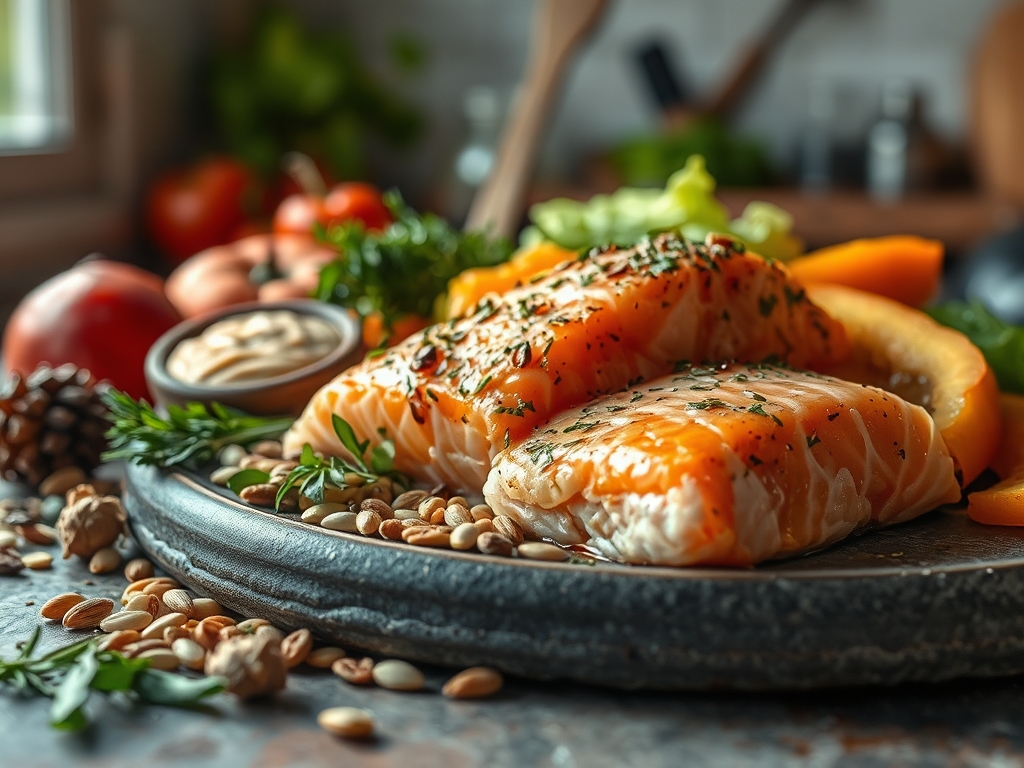
To execute this properly, your mise-en-place must be impeccable. Start with center-cut Atlantic or King salmon fillets; their higher fat content provides a more viscous mouthfeel and better protection against the intense air currents. You will need a high-smoke-point oil like avocado or grapeseed oil; avoid extra virgin olive oil here as it can become acrid under the direct heating element. For the seasoning, gather coarse kosher salt, cracked black pepper, and a touch of smoked paprika to encourage enzymatic browning.
A microplane is essential for zesting a fresh lemon to add a piquant brightness without the moisture of juice. If you are looking for smart substitutions, you can swap the paprika for sumac to add a tart, earthy profile, or use a drizzle of toasted sesame oil for an umami-heavy crust. Ensure your salmon is patted bone-dry with lint-free towels. Any surface moisture will turn into steam, which is the mortal enemy of a crispy exterior. Use a digital scale to ensure your fillets are of uniform weight, roughly six ounces each, to guarantee they finish cooking at the exact same moment.
The Clock
The "Chef's Flow" is all about timing and temperature. Your total active prep time is exactly five minutes. The cooking duration fluctuates between eight and twelve minutes depending on the thickness of the fillet. However, the most critical part of the clock is the five-minute rest period after the basket pops. This is not optional. During this time, the internal juices redistribute from the center back to the edges, preventing a dry bite. If you pull the fish and cut it immediately, you lose the emulsified fats that make the salmon feel luxurious. Total time from fridge to fork is under twenty minutes.
The Masterclass
1. The Desiccation Ritual
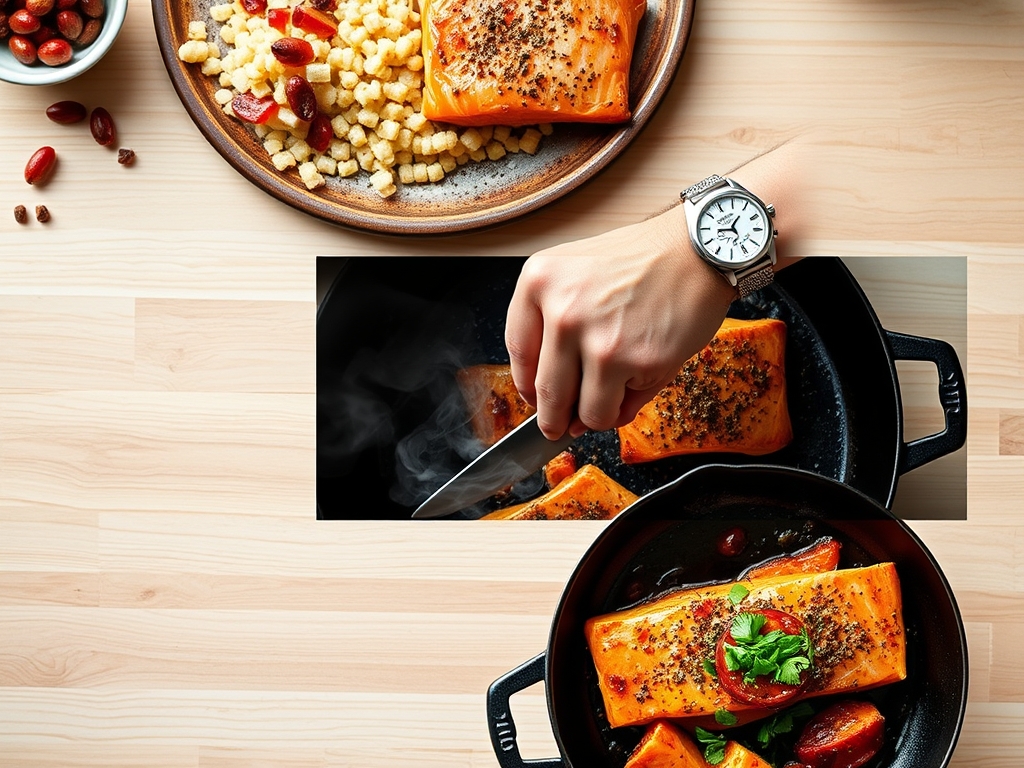
Place your fillets skin-side up on a tray and leave them uncovered in the refrigerator for thirty minutes if time allows. If not, use a heavy-duty paper towel to press firmly into the skin.
Pro Tip: This process removes surface moisture to accelerate the Maillard reaction, the chemical reaction between amino acids and reducing sugars that gives browned food its distinctive flavor.
2. The Oil Barrier
Apply a thin, even layer of avocado oil using a silicone pastry brush. You want the skin to look glossy but not dripping.
Pro Tip: Oil acts as a heat conductor. By coating the skin, you create a thermal bridge that allows the hot air to render the subcutaneous fat more efficiently.
3. The Preheating Protocol
Set your air fryer to 400 degrees Fahrenheit and let it run empty for at least five minutes.
Pro Tip: Placing cold fish into a cold basket leads to sticking. Starting with a hot basket creates an immediate sear, preventing the proteins from bonding to the metal grate.
4. The Skin-Down Strategy
Place the fillets skin-side down first. This allows the heat to travel through the skin and fat layer, protecting the delicate flesh from the direct blast of the fan.
Pro Tip: This utilizes conductive heating from the basket and convective heating from the air, ensuring the skin crisps while the meat remains tender.
5. The Internal Audit
Use a digital probe thermometer to check the thickest part of the fish. Aim for 125 degrees Fahrenheit for medium-rare or 135 degrees for medium.
Pro Tip: Account for thermal carryover. The internal temperature will rise about five degrees after you remove it from the heat source.
6. The Acid Finish
Once the fish is plated, use your microplane to grate fresh lemon zest over the top and add a pinch of flaky sea salt.
Pro Tip: Adding salt at the very end preserves the crunch. If you salt too early, the crystals draw out moisture via osmosis, softening the crust you worked so hard to build.
The Deep Dive
From a macro perspective, salmon is a nutritional powerhouse. A standard six-ounce fillet provides roughly 34 grams of high-quality protein and 22 grams of healthy fats, primarily Omega-3 fatty acids. If you are following a Keto protocol, this is your gold standard meal. For a Vegan alternative, you can apply these same crispy techniques to firm tofu or "banana blossom" fillets, though the fat rendering science will differ. For those who are Gluten-Free, this recipe is naturally compliant as we rely on heat rather than breading for texture.
The Fix-It
If your skin is sticking to the basket, you likely didn't preheat enough or the basket coating is degraded; use a small square of perforated parchment paper next time. If the "white stuff" (albumin) is oozing out, you are cooking it too fast or too hot. Albumin is just protein being squeezed out of the muscle fibers; it is harmless but indicates overcooking. If the skin is tough instead of crispy, you didn't dry it enough or used too much oil, which ended up shallow-frying rather than air-crisping.
Meal Prep and Reheating
To reheat salmon without turning it into rubber, avoid the microwave. Use the air fryer at 320 degrees Fahrenheit for three to four minutes. This low-intensity heat avoids further denaturing the proteins while reviving the skin's structural integrity. It will taste nearly as good as day one.
The Wrap-Up
Mastering the best air fryer salmon recipes is about more than just pressing a button; it is about respecting the ingredients and the physics of the machine. When you see that golden-brown crust and feel the resistance of the skin against your fork, you will know you have nailed it. This method turns a basic protein into a sophisticated centerpiece that fits into any lifestyle. Now, grab your tongs, fire up that fan, and prepare to be the hero of your own kitchen. You have the science; now go make the magic.
The Kitchen Table
How do I stop salmon from smelling up the house?
Ensure you remove the grey "blood line" from the bottom of the fillet before cooking. This area contains the highest concentration of fish oils that oxidize and release odors when heated. Also, clean your air fryer basket immediately after use.
Can I cook frozen salmon in the air fryer?
Yes, but you will sacrifice the crispy skin. For best results, thaw the salmon in a cold water bath first. If cooking from frozen, add five minutes to the cook time and skip the high-heat searing phase to avoid a raw center.
What is the best way to season the salmon?
Keep it simple with kosher salt, cracked pepper, and garlic powder. Apply dry spices after the oil to ensure they adhere. Avoid sugar-based rubs, as the high heat of the air fryer will cause them to burn and become bitter.
Why is my salmon skin rubbery?
Rubbery skin is caused by trapped moisture. To fix this, ensure the skin is bone-dry before oiling. You can also try "scoring" the skin with a sharp knife to allow steam to escape and fat to render out more quickly.