

Imagine the scent of toasted sesame and salty nori blooming in a hot pan while a fatty fillet of Atlantic salmon sizzles in its own rendered oils. This is the sensory magic of furikake salmon recipes; a dish that bridges the gap between high-end Japanese technique and the comfort of a weeknight dinner. We are not just making fish; we are engineering a crust of concentrated umami that shatters under the fork to reveal a translucent, butter-soft interior. Furikake is a Japanese seasoning powerhouse usually containing seaweed, sesame seeds, and dried fish flakes. When applied to salmon, it acts as a thermal shield and a flavor enhancer simultaneously. We are going to master the art of the perfect sear while exploring eight transformative hacks to elevate this staple from basic to brilliant. Whether you are craving a spicy sriracha glaze or a citrus-infused crunch, these furikake salmon recipes offer a masterclass in texture and taste.

The Gathers:
To achieve professional results, your mise-en-place must be precise. Start with high-quality salmon fillets, preferably center-cut for uniform thickness. You will need a high-quality furikake blend; look for varieties containing bonito flakes (katsuobushi) for a deeper savory profile. For the binding agent, we use a viscous layer of Japanese mayonnaise (Kewpie) or a thin coat of Dijon mustard to ensure the seasoning adheres during the high-heat transition.
Your toolkit is essential for success. Grab a heavy-bottomed skillet (cast iron or carbon steel is best for heat retention) and a flexible fish spatula to flip the fillets without tearing the delicate skin. A microplane will be necessary for zesting citrus or grating fresh ginger into your glazes. For those watching their sodium, a Smart Substitution is to use toasted dulse flakes and sesame seeds instead of pre-packaged furikake. If you are avoiding eggs, a light brush of toasted sesame oil works as a vegan-friendly binder that still promotes a beautiful golden crust.
The Clock:
Efficiency in the kitchen relies on what I call the Chef's Flow. The total active time for these recipes is roughly 10 minutes, with a cook time of 8 to 12 minutes depending on the thickness of the fish.
- The Chill (5 minutes): Allow the salmon to sit at room temperature. Cold fish in a hot pan causes the muscle fibers to contract violently, pushing out moisture and resulting in a dry texture.
- The Prep (5 minutes): Pat the skin bone-dry with paper towels. Moisture is the enemy of the Maillard reaction.
- The Sear (4 minutes): Skin-side down to render the fat and create a crisp base.
- The Finish (4-6 minutes): Flip or move to the oven to reach an internal temperature of 125 degrees Fahrenheit for a perfect medium-rare.
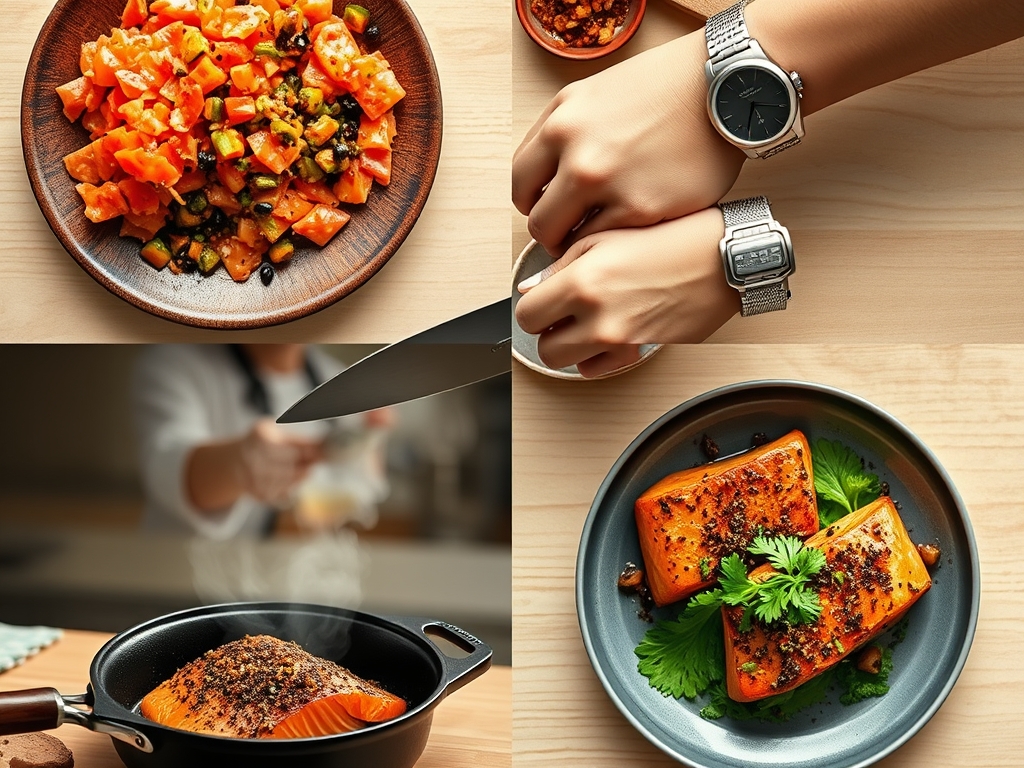
1. The Surface Prep
Begin by using a bench scraper or sharp knife to gently scrape any excess moisture from the salmon skin. Salt the flesh side lightly, as furikake already contains salt.
Pro Tip: This process uses osmosis to draw out surface proteins, which then dry and form a tacky surface called a pellicle. This pellicle is what allows the furikake to bond permanently to the fish.
2. The Binder Application
Apply a thin, even layer of Japanese mayo or honey-miso glaze using a silicone pastry brush. You want just enough to act as an adhesive without drowning the flavor of the fish.
Pro Tip: Fats like mayonnaise are excellent emulsifiers. They create a barrier that prevents the delicate proteins in the salmon from overcooking too quickly while providing a medium for fat-soluble flavors to bloom.
3. The Furikake Crust
Press the salmon firmly into a shallow dish filled with furikake. Ensure the coating is dense and covers the entire top surface.
Pro Tip: The sesame seeds in the furikake undergo pyrolysis when they hit the heat, releasing aromatic oils that infuse the salmon flesh with a toasted, nutty aroma.
4. The Sizzle
Heat your skillet until a drop of water dances and evaporates instantly. Add a high-smoke-point oil like avocado oil. Place the salmon skin-side down.
Pro Tip: Use your tongs to press the fillet down for the first 30 seconds. This prevents the skin from curling as the collagen shrinks, ensuring maximum surface contact for a crisp finish.
5. The Butter Baste
In the final two minutes of cooking, drop a knob of unsalted butter and a smashed garlic clove into the pan. Use a large spoon to infuse the hot butter over the furikake crust.
Pro Tip: This is known as Arroser. The hot fat carries heat into the nooks and crannies of the furikake, deepening the color and adding a luxurious mouthfeel.
6. The Resting Period
Remove the salmon from the pan and place it on a wire rack rather than a flat plate.
Pro Tip: This prevents the bottom from steaming and becoming soggy. Thermal carryover will continue to raise the internal temperature by about 5 degrees; pulling the fish at 125 degrees ensures a final 130-degree perfection.
The Deep Dive:
From a nutritional standpoint, furikake salmon is a powerhouse of Omega-3 fatty acids and high-quality protein. The nori in the seasoning adds trace minerals like iodine and magnesium. For those following a Keto lifestyle, this dish is naturally low-carb; just ensure your binder is sugar-free. Vegan enthusiasts can swap the salmon for thick "steaks" of roasted cauliflower or firm tofu using the same crusting technique.
The Fix-It: Common Pitfalls
- The Crust Falls Off: You likely skipped the pat-dry step. Use a paper towel to remove every drop of moisture before applying the binder.
- The Furikake is Burnt: Furikake contains sugar and dried seaweed, both of which burn easily. If pan-searing, keep the heat at medium-high and baste frequently to regulate temperature.
- The Fish is Rubbery: You overcooked it. Use a digital scale or meat thermometer to pull the fish early. Remember, salmon continues to cook after it leaves the pan.
Meal Prep & Reheating
To maintain "day-one" quality, reheat salmon in a toaster oven at 275 degrees Fahrenheit. Avoid the microwave; it agitates water molecules too violently, causing the fats to leak out and leaving the fish "fishy" and dry. A low and slow oven approach preserves the viscous interior.
The Wrap-Up:
You are now equipped to turn a simple piece of fish into a culinary masterpiece. By understanding the science of the pellicle and the magic of the Maillard reaction, you have moved beyond following a recipe to truly mastering the medium. Furikake salmon recipes are more than just a meal; they are an invitation to experiment with textures, temperatures, and the deep, savory world of umami. Grab your skillet, trust your senses, and let that furikake crunch speak for itself.
The Kitchen Table:
How do I keep the furikake from burning in the pan?
Apply the furikake only to the top of the fish. Sear the skin side first for most of the cooking time, then flip briefly or finish the top under a broiler to toast the seeds without scorching them.
What is the best binder for furikake salmon?
Japanese mayonnaise (Kewpie) is the gold standard because its high egg yolk content creates a rich, stable emulsion that grips the seasoning while adding a piquant, creamy contrast to the salty nori and fish.
Can I make furikake salmon in an air fryer?
Yes. Set the air fryer to 380 degrees Fahrenheit for 8 to 10 minutes. The high-velocity air circulates around the crust, creating an incredibly even toast on the sesame seeds without the need for constant basting.
What should I serve with furikake salmon?
Balance the heavy umami with something acidic. A side of steamed jasmine rice and a quick cucumber salad dressed in rice vinegar and mirin provides the perfect brightness to cut through the rich, fatty salmon.