
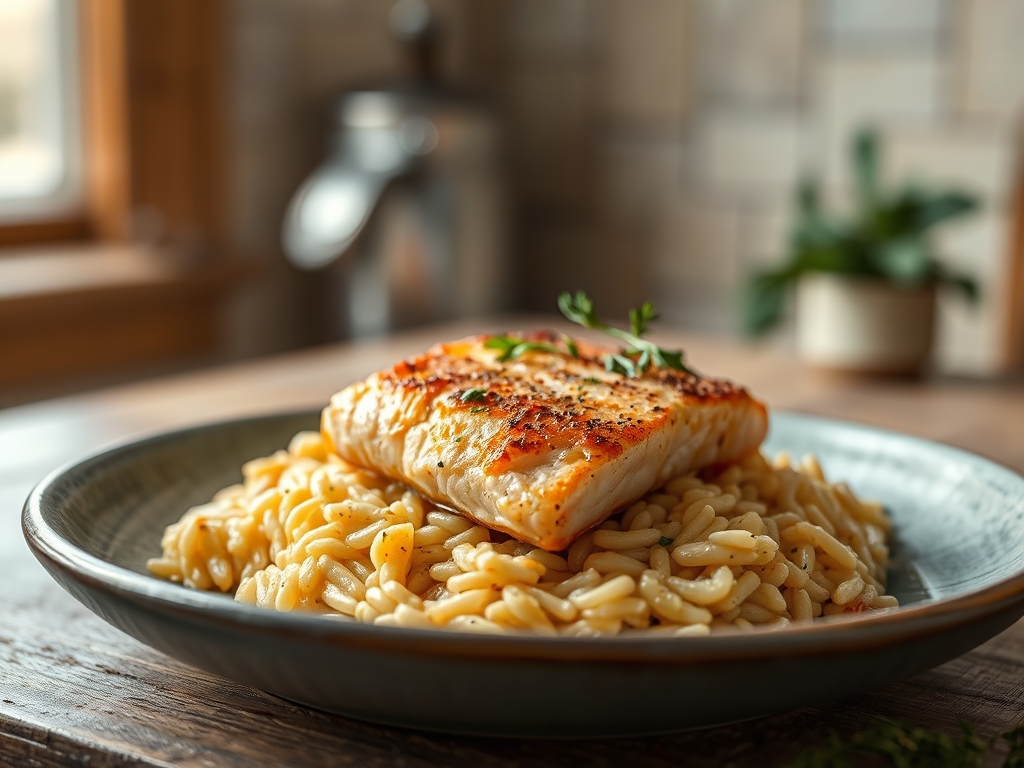
Imagine the sound of cold, dry grains of rice hitting a hot saucier; it is a sharp, percussive rattle that signals the start of something transformative. As the heat rises, that starch begins to toast, releasing a nutty aroma that fills the kitchen while a side of Atlantic fillet sizzles in a heavy-bottomed skillet nearby. We are not just making dinner; we are engineering a masterpiece of texture where the velvet luxury of slow-stirred starch meets the flaky, omega-rich decadence of perfectly seared fish. Finding the ultimate risotto salmon recipes is about more than just tossing fish into rice. It is about the deliberate marriage of fat and heat. We are chasing that elusive, viscous "all'onda" texture, the wave-like consistency that defines a world-class dish. Whether you are hosting a candlelit date night or just treating yourself after a long week, this is the technical guide to achieving restaurant-grade results in your own sanctuary.
The Gathers:
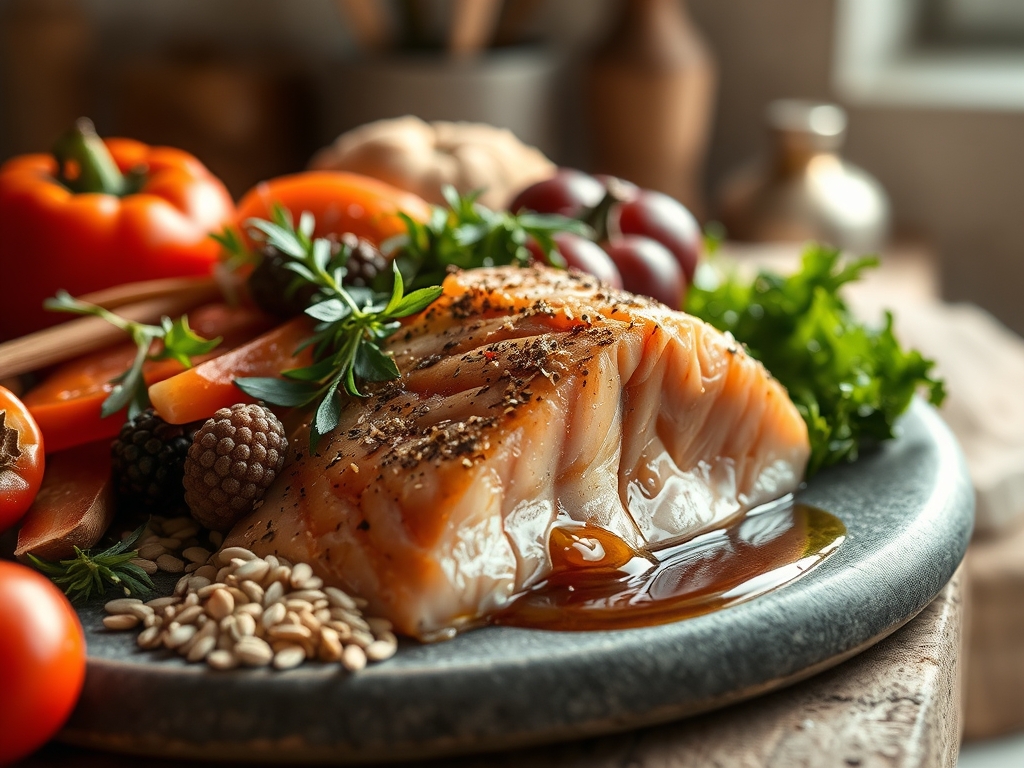
To execute these risotto salmon recipes with precision, your mise-en-place must be impeccable. We start with Arborio or Carnaroli rice, which are high-amylopectin grains. Unlike long-grain rice, these varieties possess a thick starch coating that creates a natural creaminess without needing excessive dairy. Your salmon should be center-cut for uniform thickness, ensuring the internal temperature reaches a perfect 125 degrees Fahrenheit for a medium-rare finish.
You will need a high-quality vegetable or seafood stock, kept at a constant simmer in a separate pot. Adding cold liquid to hot rice shocks the grain and prevents the starch from releasing evenly. For the aromatics, reach for shallots instead of yellow onions; they offer a more nuanced, piquant sweetness that does not overpower the delicate fish. Fresh herbs like dill, chives, and parsley provide the essential chlorophyll snap to cut through the fat.
Smart Substitutions: If you cannot find Carnaroli, Vialone Nano is a professional-grade alternative that absorbs liquid even more efficiently. For a dairy-free profile, swap the butter for a high-quality extra virgin olive oil and use nutritional yeast or a splash of cashew cream to maintain that signature mouthfeel. If you are watching your sodium, prioritize a homemade stock where you can control the mineral balance.
The Clock: 45 Minutes to Perfection
The "Chef's Flow" for risotto salmon recipes is a lesson in multitasking. You have exactly 18 to 22 minutes of active stirring time once the first ladle of stock hits the pan. Before that, you spend 10 minutes on prep: dicing shallots with a sharp chef knife and portioning your salmon. The salmon itself requires about 6 to 8 minutes of total cook time, depending on thickness.
The secret is timing the fish to finish exactly three minutes before the rice. This allows for resting time, where the muscle fibers relax and the juices redistribute. While the salmon rests on a warm plate, you perform the mantecatura, the final vigorous beating of butter and cheese into the rice. This overlapping timeline ensures that every component hits the plate at its thermal peak.
The Masterclass:

1. The Sear and Render
Place your salmon skin-side down in a hot, stainless steel pan. Do not move it. Use a flexible fish spatula to press down lightly, ensuring maximum surface contact.
Pro Tip: This utilizes the Maillard reaction, a chemical dance between amino acids and reducing sugars that creates the savory, brown crust. Rendering the fat from the skin first provides a flavorful base for the entire dish.
2. The Tostatura (Toasting the Grain)
In your saucier, melt a knob of butter and sauté the shallots until translucent. Add the dry rice and stir until the edges of the grains become translucent while the center remains white.
Pro Tip: Toasting the rice creates a protective shell around the grain. This prevents the rice from turning into mush and ensures each kernel maintains an al dente bite despite the heavy hydration.
3. The Deglaze and Infuse
Pour in a dry white wine, such as Pinot Grigio or Sauvignon Blanc. Use a wooden spoon to scrape up any browned bits from the bottom of the pan.
Pro Tip: The acidity in the wine acts as a solvent, breaking down complex flavor compounds. This process, known as deglazing, incorporates the fond into the rice for a deeper umami profile.
4. The Gradual Hydration
Add your simmering stock one ladle at a time. Stir constantly but gently. Wait until the liquid is almost entirely absorbed before adding the next round.
Pro Tip: The mechanical action of stirring causes the rice grains to rub against one another. This friction sloughs off the amylopectin starch, which then emulsifies with the stock to create a thick, creamy sauce.
5. The Mantecatura
Once the rice is tender, remove from heat. Add cold butter cubes and freshly grated Parmesan using a microplane for the finest texture. Beat vigorously with a wooden spoon.
Pro Tip: This is the "mounting" stage. By adding cold fat to the hot starch, you create a stable emulsion that gives the risotto its glossy, mirror-like finish.
The Deep Dive:
When we look at the macro nutrition of these risotto salmon recipes, we see a powerhouse of healthy fats and complex carbohydrates. A standard serving provides roughly 35 grams of protein and a significant dose of Vitamin D and B12.
Dietary Swaps: For a Keto-friendly version, replace the rice with riced cauliflower, though you will need to use a xantham gum slurry to mimic the starch viscosity. Vegan chefs can use a miso-paste broth to replicate the savory depth of Parmesan.
The Fix-It:
- Crunchy Center: You didn't add enough liquid or the heat was too high. Add a splash of warm water and cover for two minutes off the heat.
- Soupy Mess: You added too much liquid at the end. Turn the heat to high and stir rapidly for 60 seconds to evaporate excess moisture.
- Bland Profile: It needs acid. A squeeze of fresh lemon juice or a teaspoon of white balsamic vinegar will brighten the flavors instantly.
Meal Prep Science: Reheating risotto is tricky because the starch continues to absorb moisture in the fridge. To restore "day-one" quality, add two tablespoons of water or stock per cup of rice and heat slowly in a small saucepan while stirring. This re-hydrates the starch matrix without making the rice gummy.
The Wrap-Up:
Mastering risotto salmon recipes is a rite of passage for any home cook looking to elevate their kitchen game. It is a dish that demands your attention but rewards you with a symphony of textures and flavors. From the crisp snap of the salmon skin to the luxurious, flowing rice, every bite is a testament to the science of good cooking. Don't be afraid of the stirring; embrace the process and watch as simple ingredients transform into culinary gold. Now, grab your saucier and let's get cooking!
The Kitchen Table:
What is the best rice for salmon risotto?
Arborio is the most accessible, but Carnaroli is preferred by professionals. Carnaroli has a higher starch content and a firmer grain, making it more resistant to overcooking and ensuring a perfect al dente texture every time.
Can I use frozen salmon for these recipes?
Yes, provided you thaw it completely and pat it extremely dry with paper towels. Any excess moisture on the surface of the fish will cause it to steam rather than sear, preventing the development of a crispy crust.
Why is my risotto sticky instead of creamy?
Stickiness usually results from over-stirring or using the wrong temperature of stock. Ensure your stock is simmering; cold stock shocks the starch and creates a gluey consistency. Constant, gentle movement is key to a flowing, viscous sauce.
How do I know when the salmon is done?
Use a digital thermometer to check for an internal temperature of 125-130 degrees Fahrenheit. The fish should flake easily with a fork but remain moist and slightly translucent in the very center to avoid a dry texture.